EXPLORE THIS STORY
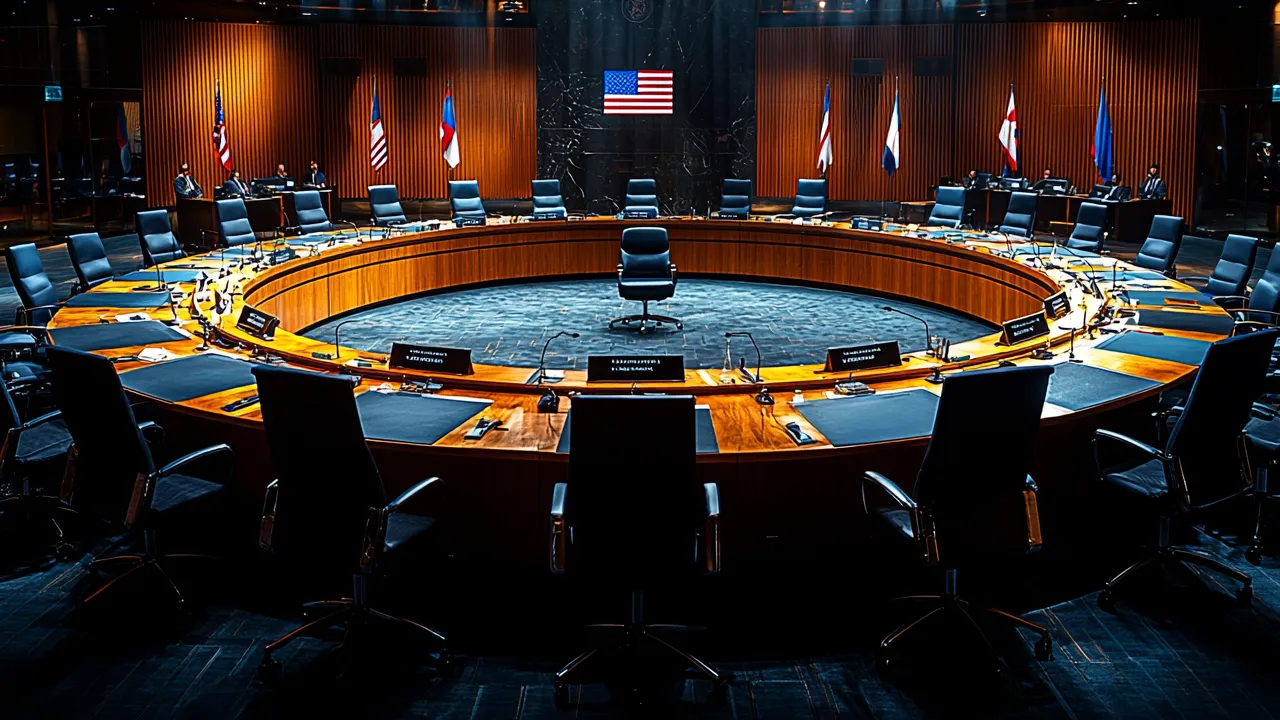
Trump accuses NATO of failing to back the US in Iran. British MPs call for European defense without America. Canada finally hits the 2% mark. South Korea accelerates its military transformation. Five perspectives on the end of the American umbrella.
AI-generated content — Analyses are produced by artificial intelligence from press articles. They may contain errors or biases. Learn more
DIVERGENCE SCORE
65/100Notable divergences appear between perspectives
Here are the main points of divergence identified between media coverages.
DOMINANT ANGLE
Preparing to defend Europe without the US — double American abandonment and the post-Brexit paradox
KEY POINTS
BIASES
DOMINANT ANGLE
Existential urgency — European rearmament must not come at Ukraine's expense
KEY POINTS
BIASES
DOMINANT ANGLE
The NATO debate as mirror of American internal fractures — interventionists vs isolationists
KEY POINTS
BIASES
DOMINANT ANGLE
Reclaiming wartime command from the US — Korea's version of strategic autonomy
KEY POINTS
BIASES
DOMINANT ANGLE
Pride at hitting 2% but categorical refusal to be Trump's soldier
KEY POINTS
BIASES
DOMINANT ANGLE
Preparing to defend Europe without the US — double American abandonment and the post-Brexit paradox
KEY POINTS
BIASES
DOMINANT ANGLE
Existential urgency — European rearmament must not come at Ukraine's expense
KEY POINTS
BIASES
DOMINANT ANGLE
The NATO debate as mirror of American internal fractures — interventionists vs isolationists
KEY POINTS
BIASES
DOMINANT ANGLE
Reclaiming wartime command from the US — Korea's version of strategic autonomy
KEY POINTS
BIASES
DOMINANT ANGLE
Pride at hitting 2% but categorical refusal to be Trump's soldier
KEY POINTS
BIASES
AI-powered meta-analysis
Strategic autonomy: liberation or abandonment?
The UK and South Korea view autonomy as a necessary emancipation. Ukraine fears it signals abandonment. The U.S. remains divided between withdrawal advocates and interventionists.
Support
Oppose
Who bears responsibility for NATO's crisis?
Canada and the UK point to Trump. Ukraine points to Orban. The U.S. points to allies who underspend on defense. South Korea points to no one — it acts.
Support
Oppose
Atlanticists in emancipation
Shared narrative
Loyalty to the Alliance but rejection of Trump's adventurism — collective defense yes, unilateral wars no
Asian allies in transformation
Shared narrative
NATO as mirror — if Europe can do it, so can Asia. Reclaiming national military command.
Existential survival
Shared narrative
European rearmament must not mean abandoning Ukraine — Orban as the enemy within
Divided superpower
Shared narrative
The NATO debate is a proxy for the domestic interventionist vs. isolationist divide
Omitted topics
Highlighted by
Omitted topics
Highlighted by
The debate over European defense without the U.S. marks the end of an era that began in 1949. The war in Iran has accelerated what the war in Ukraine had initiated: the realization that Washington is no longer a reliable ally. Each country reads this tectonic shift through its own anxieties — the UK sees an opportunity for leadership, Canada a moral line to hold, Ukraine a mortal danger, South Korea a model to follow, the U.S. an internal dispute. The only shared certainty: the world of 1949 is dead.
AI-powered analysis
Show your friends how the world sees the same news differently.