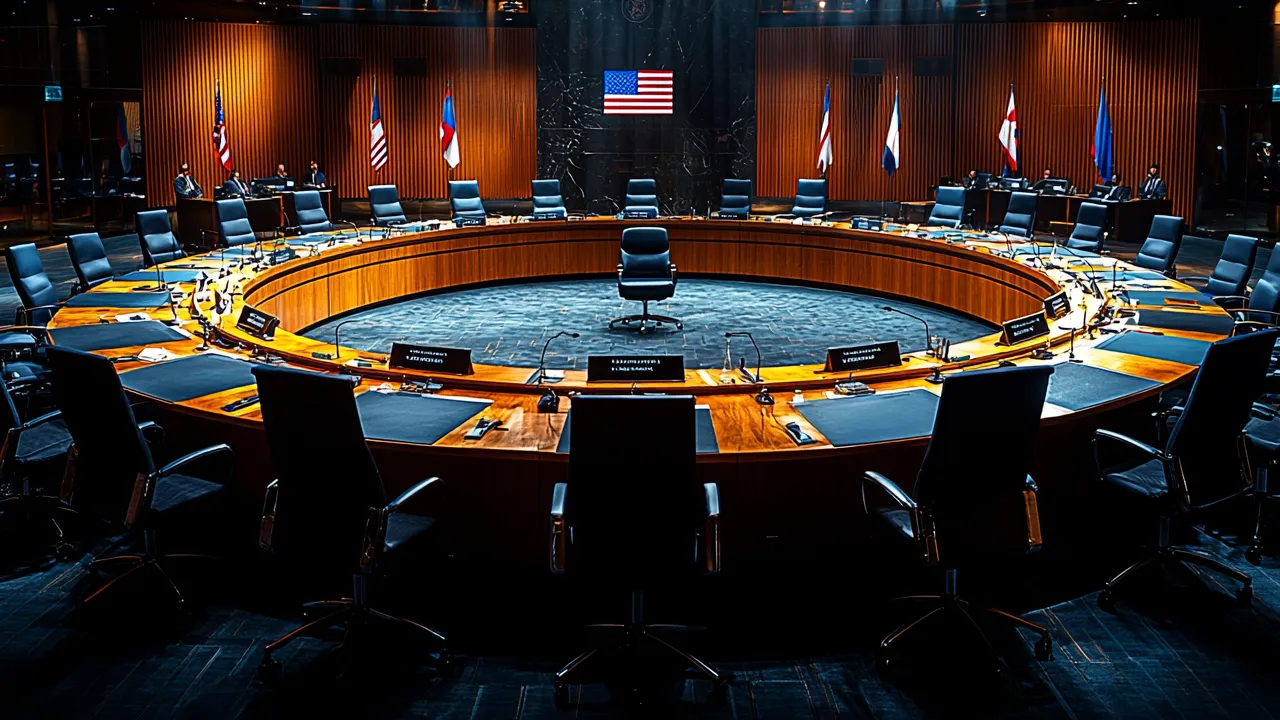
The debate over whether Europe can provide for its own defense has suddenly shifted scale. All sides now agree on one assessment: the reliability of the security guarantee offered by the United States is openly in question. The war in Iran is identified as the catalyst for this reappraisal, accelerating a shift that the conflict in Ukraine had already begun. What was once the hypothesis of specialists has become a matter of public decision, debated at the highest levels of government and carried into wider opinion.
On the ground, the trend is concrete and widely shared: rearmament is under way. Military spending is rising, legislative debates are opening, and new defense contracts are being signed. Several allies are revising their posture, some reaching budget targets long deferred, others undertaking a deeper transformation of their defense apparatus, extending into the chain of command. The pace and scope vary from one country to another, but the direction is consistent.
To grasp the significance of the moment, it must be placed in a longer perspective. The security architecture inherited from 1949 rested on the American commitment within the Atlantic Alliance. It is this foundation that is now wavering, with each actor reading the shift through its own priorities and its own anxieties.
The disagreements bear less on the facts than on their meaning. Some governments present strategic autonomy as a necessary emancipation; others fear it will amount to disengagement and the abandonment of those who depend on Western support. Responsibility is likewise contested: the actors trade accusations over the causes of the crisis, with no agreement on who set it off. The one shared certainty is that the balance built after 1949 now belongs to the past, and that a new arrangement has yet to take its place.