Three countries, three simultaneous emergency measures. Zero coverage in France, the US, the UK, or Germany.
Pakistan: 10-14 days before the breaking point
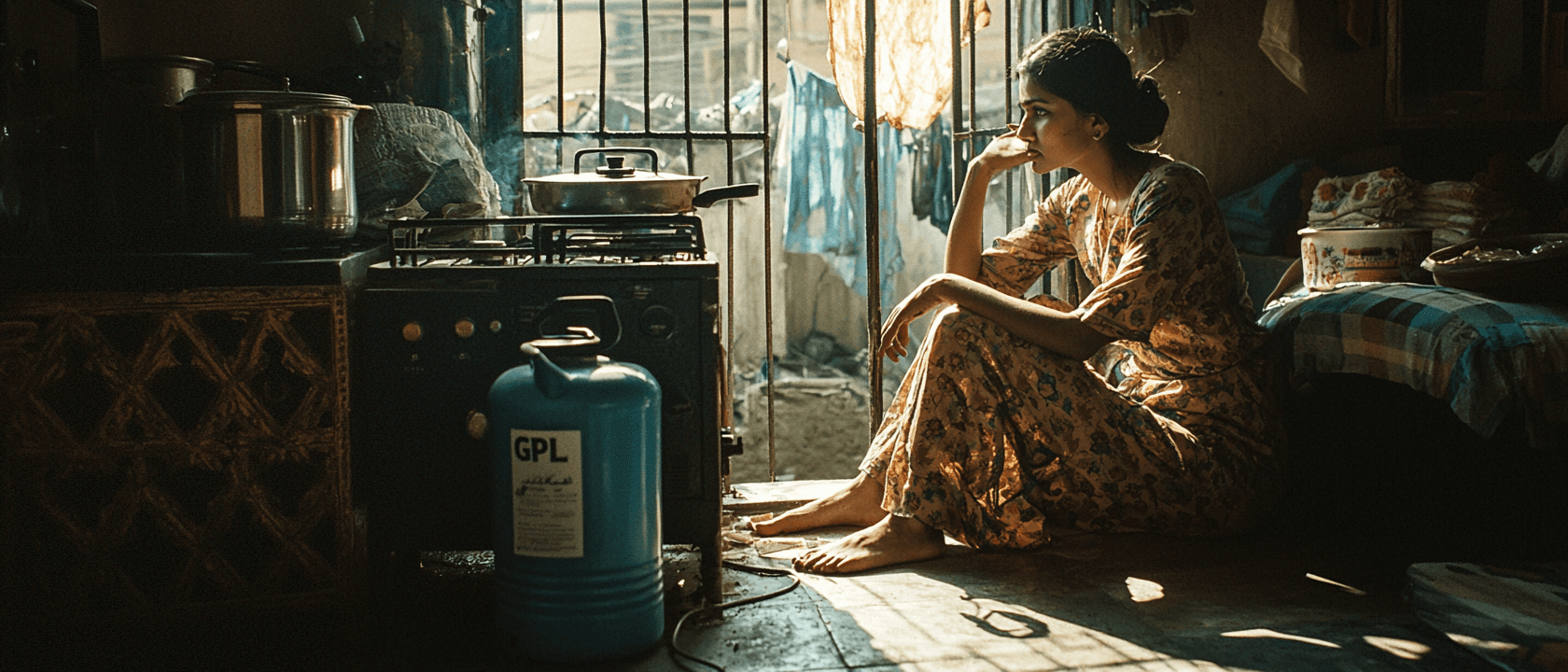
Pakistan imports 70-80% of its oil and 99% of its LNG from Qatar and the UAE. Its strategic reserves cover 10-14 days — compared to 65-70 days for India. Ogra (the petroleum regulator) ordered LPG rationing in the third week of March (see our analysis).
The impact extends well beyond fuel. The textile industry — Pakistan's top export sector, accounting for 60% of foreign currency earnings — depends on gas to power its factories. Gas cuts mean shuttered plants, canceled orders, and workers laid off. In 2023, a similar energy crisis cost $2 billion in lost textile exports.
Philippines: state of calamity
Agusan del Sur province has declared a state of calamity — a legal designation that unlocks emergency funds. 95% of Philippine crude oil comes from the Persian Gulf. Reserves cover 50-60 days, but distribution is uneven: Manila is supplied, rural provinces are not.
Rappler documents the impact on tricycles and jeepneys — the informal public transport that moves 60% of Filipinos. Roel Gaano, a tricycle driver in San Francisco (Agusan del Sur), used to earn 500 pesos a day. Since March, he no longer goes out. His story is that of millions of informal workers whose income depends directly on fuel prices.
Indonesia: mandatory remote work
Jakarta mandates remote work on Fridays for civil servants and encourages the private sector to follow suit. The goal: reduce transport fuel consumption by 15-20%. Indonesia imports 37% of its gas and 30% of its LPG from the Gulf. Reserves: 23 days.
What Western media are not seeing
 pk
pk in
in ph
ph id
id fr
fr us
us uk
uk de
de ca
ca