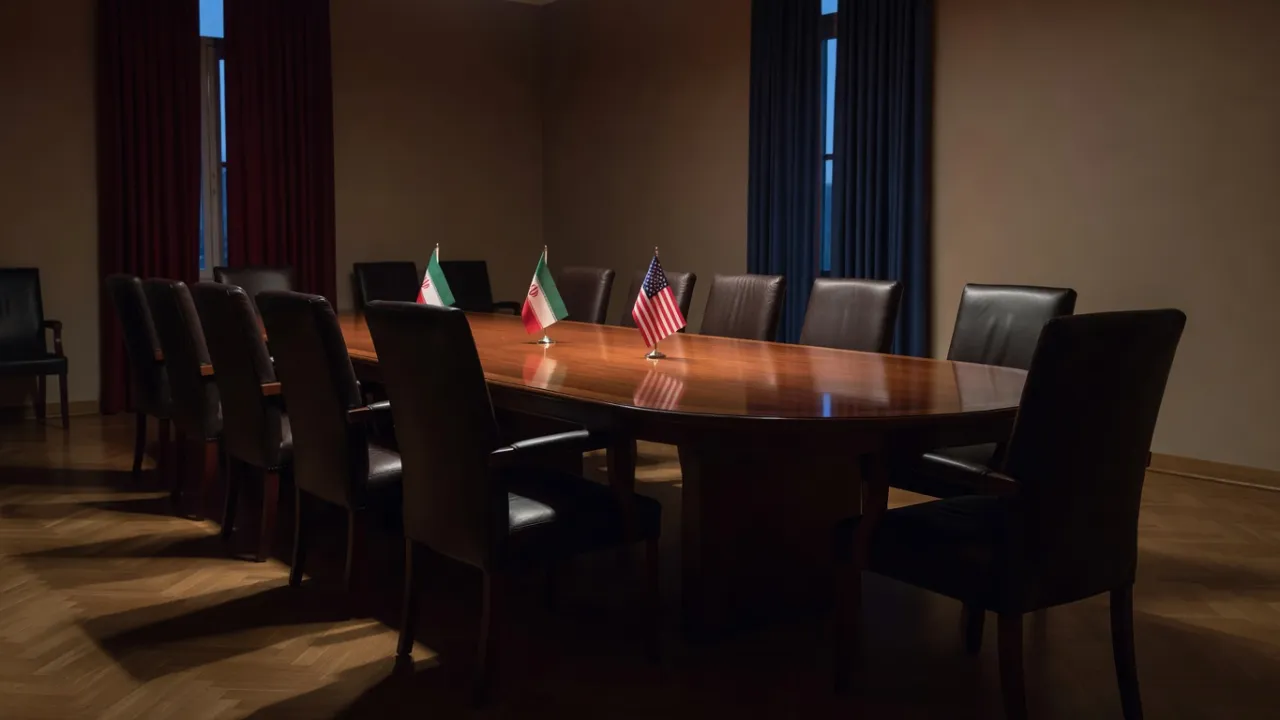
In late May 2026, American and Iranian negotiators reached a preliminary memorandum of understanding providing for a sixty-day extension of the ceasefire in force since 8 April 2026. At the time of the events, no formal signature had been applied and the framework remained pending final approval. The text addresses navigation through the Strait of Hormuz, the sequencing of sanctions relief and humanitarian corridors.
The Strait of Hormuz is the central point of friction: roughly one fifth of the world's oil and liquefied natural gas supplies pass through it. Its unrestricted reopening appears in the memorandum, while Iran asserts sovereignty over the maritime corridor and is preparing legislation to that effect. In the wake of the announcements, Brent crude fell by about 10 to 19 percent in May 2026, as markets anticipated a possible reopening.
The process is unfolding alongside active sanctions and military operations. Iran ties the continuation of talks to the prior release of twelve billion dollars in frozen assets, a demand absent from American public statements. Mediation runs notably through Qatar, Pakistan and Oman, while Europe and China maintain parallel channels.
Several points remain disputed. Washington presents an agreement in principle as nearly finalized, whereas Tehran contests this reading and states that the text has not received Iranian approval. The two sides also diverge on the nuclear file: the United States says it secured a commitment to forgo nuclear weapons and to destroy stocks of 60 percent enriched uranium (estimated at 440.9 kg by American sources), which Iran denies. The inclusion of the Lebanese file and the reading of the military balance of power likewise remain contested.