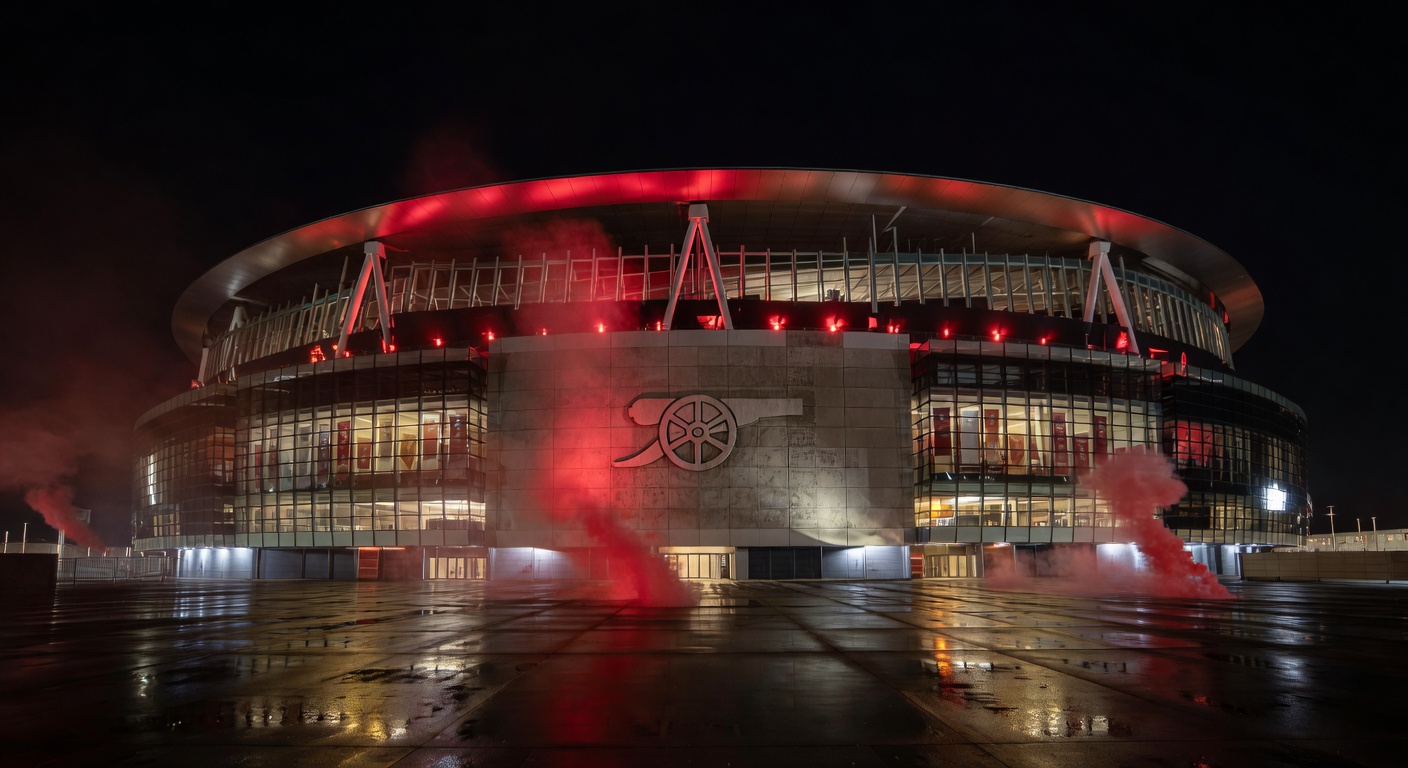
Arsenal won their first Premier League title since 2004, ending a twenty-two-year wait. The triumph became mathematically certain at the end of matchday 37, three rounds before the finish, without the club playing a single game: the decisive result came from elsewhere, the draw conceded by Manchester City at Bournemouth (1-1) at the Vitality Stadium. Erling Haaland did equalise for City late on, but too late to keep any title hopes alive.
The shift also benefits Bournemouth, who qualified for a European competition for the first time in their history. For Manchester City, the season coincides with the announced departure of Pep Guardiola, after ten years in charge and twenty trophies won, marking the likely end of an era of dominance.
The event fits into a reshaping of power in English football. City's decade of supremacy, tied to massive investment from Abu Dhabi, draws to a close as the club faces Premier League disciplinary proceedings over alleged breaches of financial rules. Arsenal's rise, under the ownership of American Stan Kroenke, illustrates the coexistence of different economic models within the league.
The way the title is read nonetheless varies between observers. Some commentators frame it as a personal redemption story between Arsenal's manager and his former mentor, while others treat that thread more incidentally. The space given to Bournemouth, to the season's statistical records, or to the contribution of certain players and technical staff likewise remains contested, with each account favouring distinct angles.