
AUSTRALIA
2 sources
The quagmire moment—and its consequences for the Indo-PacificDominant angle identified — does not reflect unanimity of this country’s media
EXPLORE THIS STORY
Two American fighter jets shot down in one day by Iran—a first in twenty years that transforms the conflict into a quagmire for Trump.
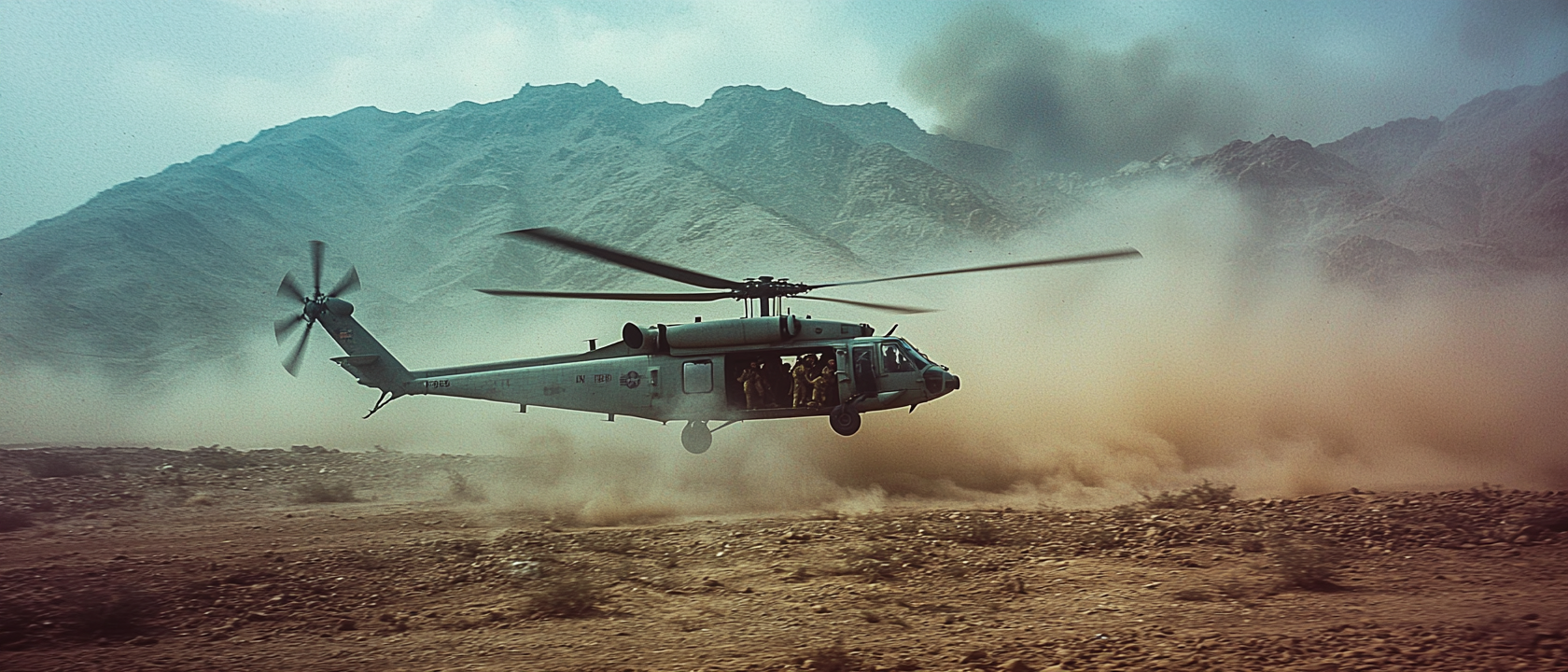
On the thirty-sixth day of the war between the United States and Iran, two American fighter jets were shot down in a single day. All actors agree this marks a turning point: it is the first US aerial loss to enemy fire since 2003. The search for the pilot missing in the Iranian mountains adds a dramatic dimension to a conflict that had until then been largely an air campaign.
The point of consensus is that Iran, described as militarily neutralized after five weeks of bombardment, in fact retains significant air-defense capabilities. The episode reshuffles a confrontation many had assumed to be lopsided.
Context explains why the incident carries weight. The war was launched under executive powers and framed as a series of "strikes" rather than a formal war; the sixty-day limit is approaching without a broader authorization vote from Congress. Its cost, estimated at roughly two billion dollars per day, feeds a 1.5-trillion-dollar defense budget request that weighs on other programs. Iran also retains major leverage through the Strait of Hormuz.
Several points remain disputed. On the severity of the episode, US authorities play it down, while other capitals read it as a quagmire and Tehran presents it as a military victory. On Iranian capabilities, Iran cites a new advanced system, whereas Washington had declared its defenses severely damaged. Coverage also varies: some focus on the fate of the pilot, others on the risk of a long war and a prolonged energy crisis.

« Incident minimized by the president, severity amplified by the press »

« US bogging down in Iran threatens support for Ukraine and refunds Russia »
More divergent than 100% of analyzed stories. Comparable to: Iran Nuclear Inspections: Trump Says Yes, Tehran Says No (62).












