What the comparison reveals
Common ground and differences in coverage across the media analysed.
What the media report in common
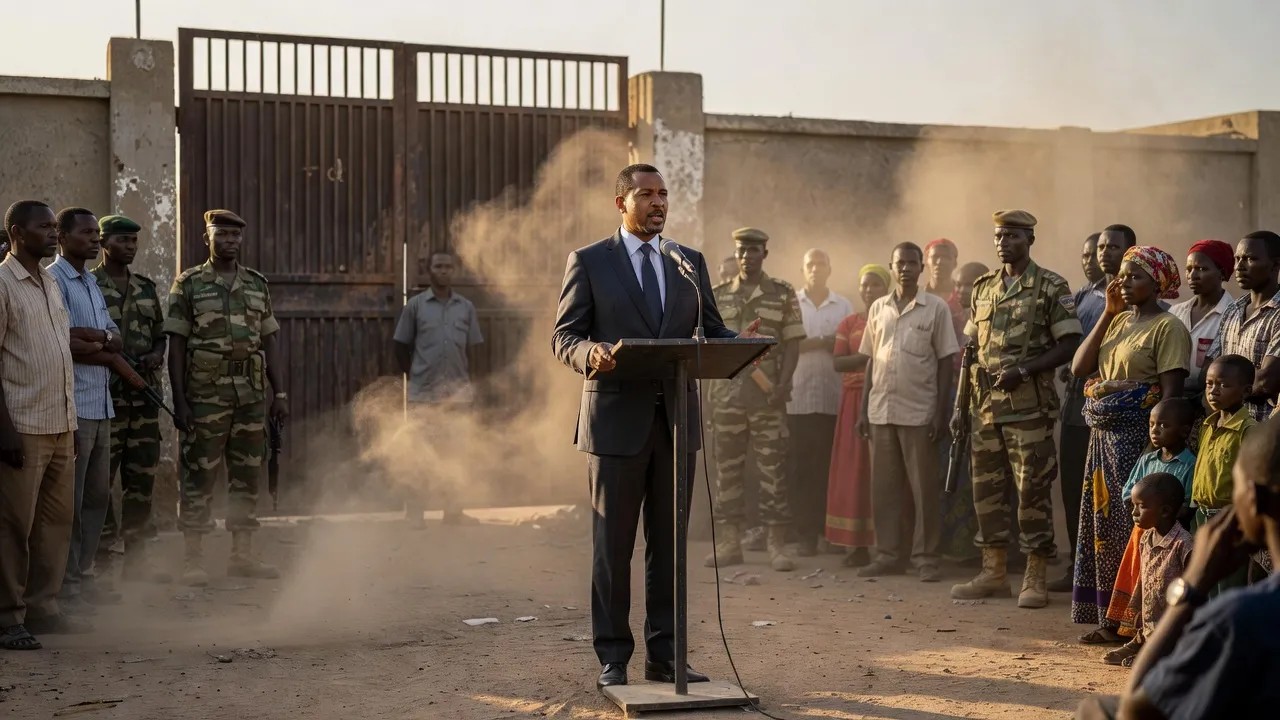
Burkina Faso officially announced on June 26, 2026 the severance of its diplomatic relations with France, effective immediately, through a statement read on national television.
The Burkinabe government justifies this decision by accusing Paris of neocolonial ambitions, support for subversive networks and armed groups active in the Sahel.
This rupture is part of a series of successive departures of African partners — after Mali and Niger — and is accompanied by the Burkinabe junta's rapprochement with Russia.
Where media coverage diverges
Legitimacy of Burkinabe accusations
French media reject accusations of support for terrorism as unfounded and retain the formula of Minister Barrot (decision 'hostile and without foundation'), while Qatari media reproduce Burkinabe grievances without submitting them to counter-analysis, and Nigerian press reports them without taking a position.
How each country reads it
Preview: 3 of 3 media perspectives. Syntheses of the media analysed — not direct quotations.
Paris absorbs the diplomatic shock with calculated restraint, describing Burkina Faso's decision to sever ties as "hostile and without foundation" while refusing to fuel rhetorical escalation.
4 sources ·
Abuja measures Burkina Faso's diplomatic rupture with France through the lens of Nigeria's own Sahel security imperatives, balancing ECOWAS regional integration with pragmatic strategic autonomy.
3 sources ·
Doha reads Burkina Faso's diplomatic rupture with France as a signal of profound realignment within African alliances in the Sahel, driven by the anti-colonial rhetoric of military leader Captain Ibrahim Traoré's regime.
2 sources ·


