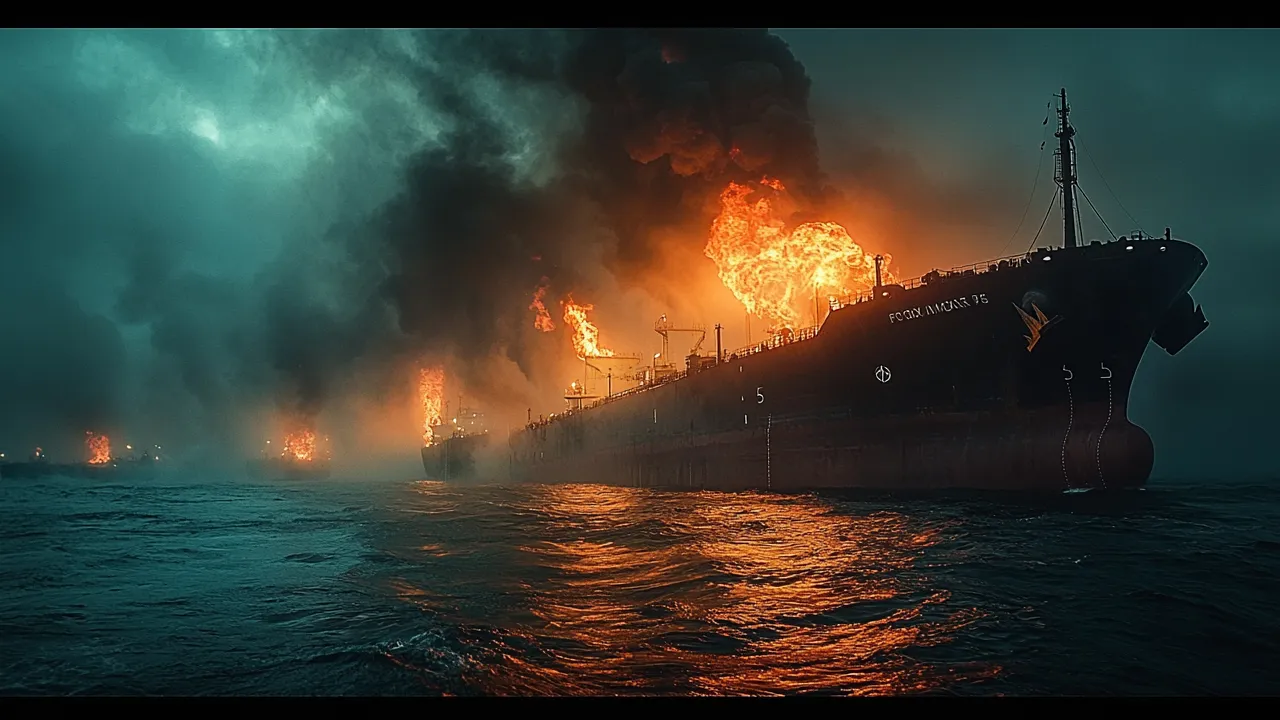
The closure of the Strait of Hormuz, a shipping lane just 33 kilometres wide through which a major share of the world's energy supply passes, triggered in March 2026 what the parties involved describe as the worst energy crisis since the 1970s. Net energy-importing countries in Asia have been hit hardest. The Philippines, the first to declare a national state of emergency, reportedly had only about 45 days of fuel left, while Japan, South Korea and India adopted energy austerity measures.
On the markets, Brent crude is trading between 120 and 126 dollars a barrel, a level that raises fears of a global recession if the blockage drags on. Beyond the immediate shock, the episode exposes a long-underestimated structural vulnerability: economies' reliance on a handful of maritime routes for their energy.
The context helps explain the scale of the jolt. After the 2022 Russian gas crisis, Europe had begun diversifying its sources; Asia, by contrast, was left largely without a safety net. The crisis is accelerating several deeper trends: the search for alternative overland routes such as Sino-Russian pipelines or TurkStream, the consolidation of Indo-Pacific alliances, and the rise of an energy non-alignment championed by India and several Global South countries.
The reading of the facts differs sharply between actors. Some governments attribute the crisis to the strait's closure itself, others to the regional war that preceded it. The proposed remedies clash as well: military protection of the passage for some, bypass routes and diplomacy for others. The handling of strategic reserves also varies, with some states releasing them and others choosing to hold them back.