EXPLORE THIS STORY
Show your friends how the world sees the same news differently.
The IEA chief warns that Europe has only six weeks of kerosene left—while the Philippines counts its future poor and Indonesia buys Russian oil.
FRAMING GAP
75/100Perspectives diverge strongly
Here are the main framing differences identified between media coverages.
DOMINANT ANGLE
Germany discovers that the oil shock hits first where it hurts most: SMEs in transport, trapped in multi-year contracts
Dominant angle identified — does not reflect unanimity of this country’s media
KEY POINTS
BIASES
DOMINANT ANGLE
India compares the energy shock to Covid and deploys a crisis plan worth $26.8 billion
Dominant angle identified — does not reflect unanimity of this country’s media
KEY POINTS
BIASES
DOMINANT ANGLE
Indonesia buys Russian and American oil simultaneously, illustrating post-Hormuz energy realpolitik
Dominant angle identified — does not reflect unanimity of this country’s media
KEY POINTS
BIASES
DOMINANT ANGLE
Iraq relays the IMF: unprecedented shock for the Gulf, five countries contracting, forecasts halved
Dominant angle identified — does not reflect unanimity of this country’s media
KEY POINTS
BIASES
DOMINANT ANGLE
Morocco increases transport fuel subsidies by 25 percent without ever mentioning the war
Dominant angle identified — does not reflect unanimity of this country’s media
KEY POINTS
BIASES
DOMINANT ANGLE
The Philippines experience the energy crisis as a social emergency with 3.1 million potential new poor
Dominant angle identified — does not reflect unanimity of this country’s media
KEY POINTS
BIASES
DOMINANT ANGLE
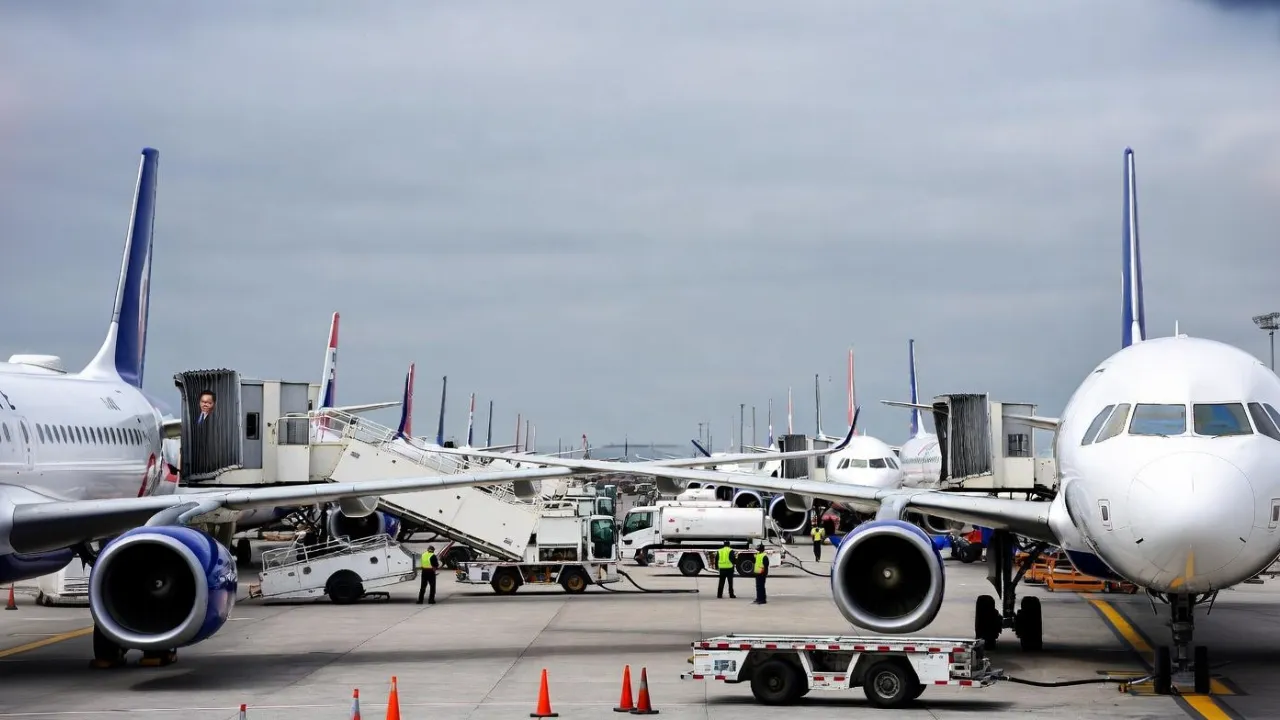
The United Kingdom frames the global energy crisis through cancelled flights and threatened summer vacations
Dominant angle identified — does not reflect unanimity of this country’s media
KEY POINTS
BIASES
DOMINANT ANGLE
Germany discovers that the oil shock hits first where it hurts most: SMEs in transport, trapped in multi-year contracts
Dominant angle identified — does not reflect unanimity of this country’s media
KEY POINTS
BIASES
DOMINANT ANGLE
India compares the energy shock to Covid and deploys a crisis plan worth $26.8 billion
Dominant angle identified — does not reflect unanimity of this country’s media
KEY POINTS
BIASES
DOMINANT ANGLE
Indonesia buys Russian and American oil simultaneously, illustrating post-Hormuz energy realpolitik
Dominant angle identified — does not reflect unanimity of this country’s media
KEY POINTS
BIASES
DOMINANT ANGLE
Iraq relays the IMF: unprecedented shock for the Gulf, five countries contracting, forecasts halved
Dominant angle identified — does not reflect unanimity of this country’s media
KEY POINTS
BIASES
DOMINANT ANGLE
Morocco increases transport fuel subsidies by 25 percent without ever mentioning the war
Dominant angle identified — does not reflect unanimity of this country’s media
KEY POINTS
BIASES
DOMINANT ANGLE
The Philippines experience the energy crisis as a social emergency with 3.1 million potential new poor
Dominant angle identified — does not reflect unanimity of this country’s media
KEY POINTS
BIASES
DOMINANT ANGLE
The United Kingdom frames the global energy crisis through cancelled flights and threatened summer vacations
Dominant angle identified — does not reflect unanimity of this country’s media
KEY POINTS
BIASES
How to measure the crisis
The UK measures in cancelled flights and airline losses, the Philippines in millions of newly poor, India in lost growth points, Germany in SMEs on the brink of bankruptcy
Frame this way
Frame the opposite
Should we buy Russian oil?
Indonesia openly assumes its purchases of Russian oil in the name of national interest; no other country in the pool addresses the question
Frame this way
Frame the opposite
Role of the state in facing the shock
The Philippines take control of pump prices, India prepares a massive credit plan, Germany is criticized for insufficient measures, Morocco subsidizes transporters
Frame this way
Frame the opposite
Rich consumers worried
Shared narrative
The crisis is framed through its impact on lifestyle and domestic industrial fabric
Global South in social emergency
Shared narrative
The crisis is a direct threat to the most vulnerable populations
Emerging powers in crisis mode
Shared narrative
Deployment of ambitious crisis plans and pragmatic diversification of sources
Epicenter of the shock
Shared narrative
The IMF documents an unprecedented shock for Gulf economies
Omitted topics
Highlighted by
Omitted topics
Highlighted by
The closure of the Strait of Hormuz has triggered what Fatih Birol calls the 'greatest energy crisis ever faced.' But the crisis is not the same everywhere. In Europe, it is measured in cancelled flights and strangled SMEs. In the Philippines, it counts in millions of people sliding into poverty. In India, it justifies a $26.8 billion plan modeled on Covid. In Indonesia, it permits the purchase of Russian oil. In Morocco, it translates into 25 percent additional subsidies. In the Gulf, it cuts 14 points of growth from Qatar. The same war produces different crises depending on wealth, dependence, and moral latitude of each country.
AI-powered analysis
AI-generated content — Analyses are produced by artificial intelligence from press articles. They may contain errors or biases. Learn more