What the comparison reveals
Common ground and differences in coverage across the media analysed.
What the media report in common
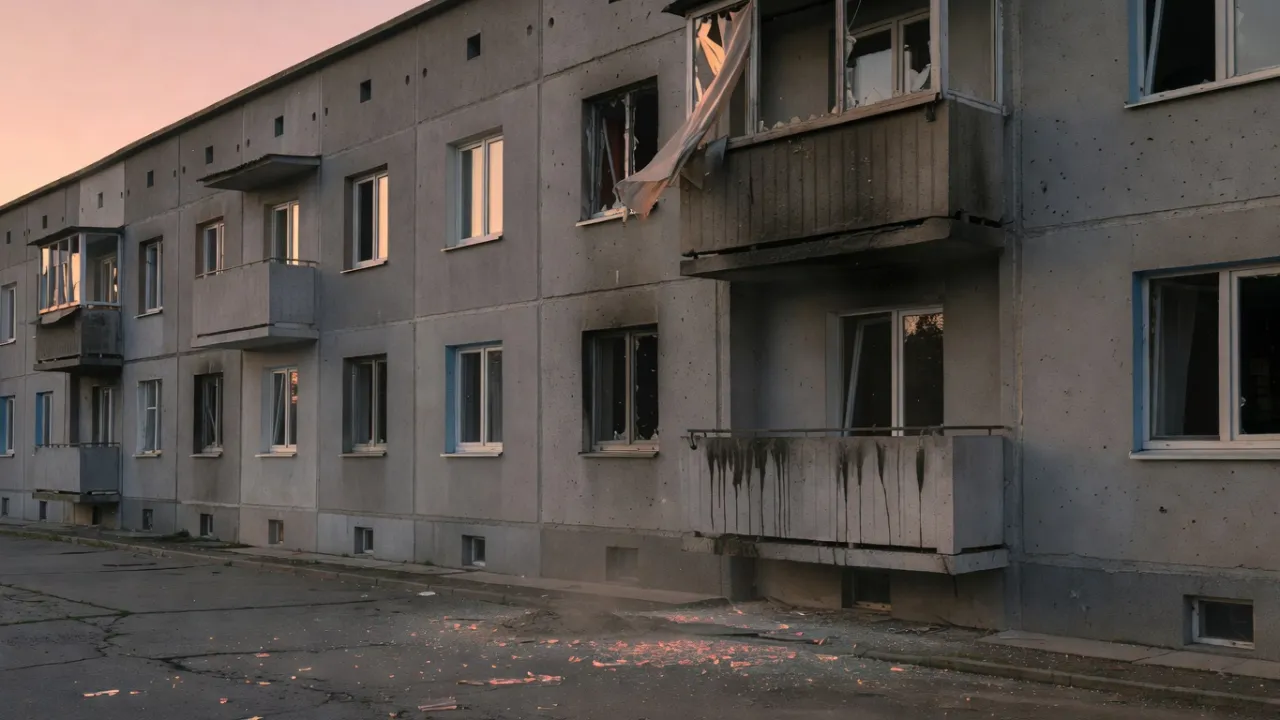
A Russian-manufactured drone (Geran-2/Shahed type) crashed on May 29, 2026, onto a ten-story residential building in Galati, injuring two civilians and forcing the evacuation of approximately 70 residents — the first direct impact on a densely populated area of a NATO member state since 2022.
NATO, through its military spokesperson at SHAPE and Secretary General Mark Rutte, confirmed the Russian origin of the drone and condemned the conduct characterized as 'irresponsible' by Moscow, reaffirming the Alliance's commitment to defend every inch of allied territory.
Romania took significant diplomatic measures: summoning the Russian ambassador, expelling the consul general from Constanta, closing the consulate, and invoking Article 4 of the North Atlantic Treaty for emergency consultations.