On 17 May 2026, the WHO declared the Ebola outbreak striking the eastern Democratic Republic of Congo a public health emergency of international concern, its highest level of alert. The strain involved, known as Bundibugyo, has no approved vaccine or treatment, which sets this flare-up apart from earlier outbreaks covered by the anti-Zaire vaccine. The official toll stands at 139 to 159 suspected deaths and close to 600 to 670 cases, with the WHO estimating that the real number is very likely higher.
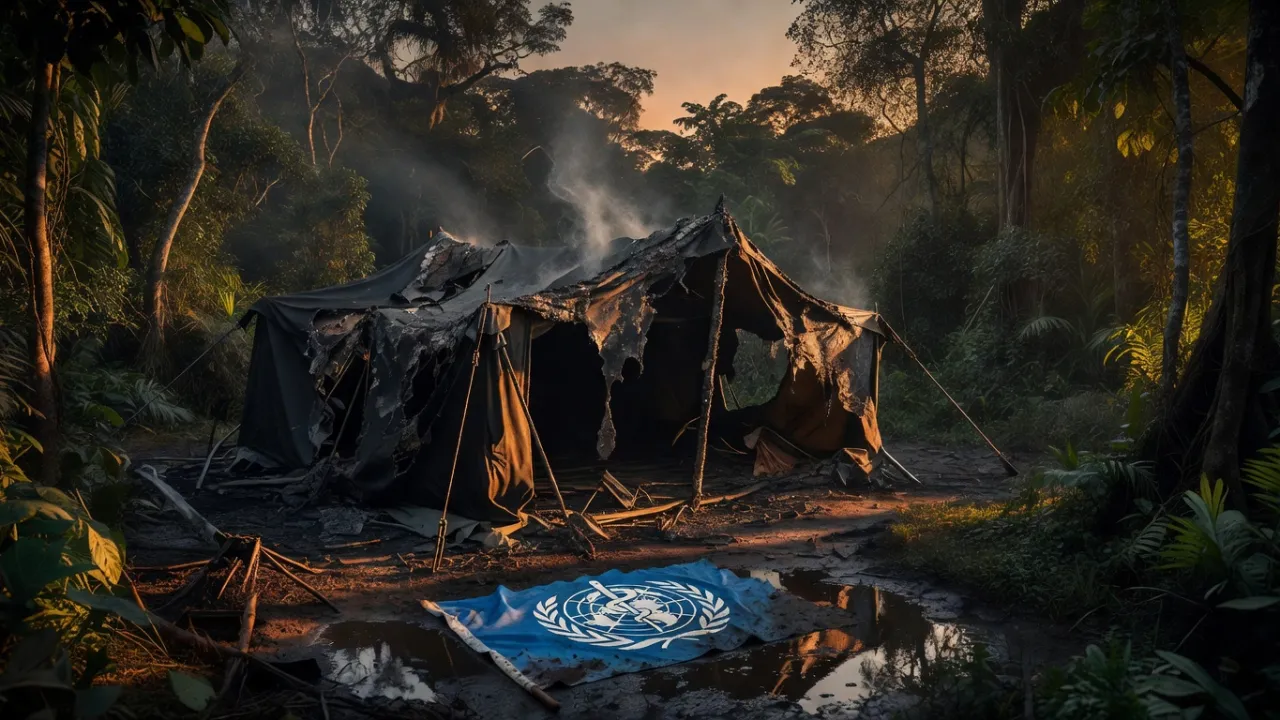
In Ituri province, the epicentre of the outbreak, the Rwampara treatment centre was set on fire by young people prevented from retrieving the body of a deceased relative. The incident highlights the tension between safe-burial protocols and local funeral practices, against a backdrop of long-standing distrust toward outside health measures. Two confirmed cases in Uganda further signalled a cross-border spread and a regional risk assessed as high.
The crisis unfolds amid accumulated fragility. Ituri and South Kivu, now affected, have for years been caught in armed conflicts involving numerous groups, including the Congo River Alliance-M23, which hampers teams' access and case tracing. The emergency declaration also had diplomatic effects, including the postponement of the fourth India-Africa summit planned in New Delhi.
Several points remain disputed. Some actors directly link the cut in US foreign aid — down from 1.4 billion dollars in 2024 to less than 21 million in 2026 — to the delayed detection, while others address the outbreak without implicating donors. Estimates of the toll also diverge, with some stressing a structural undercount that others do not flag.