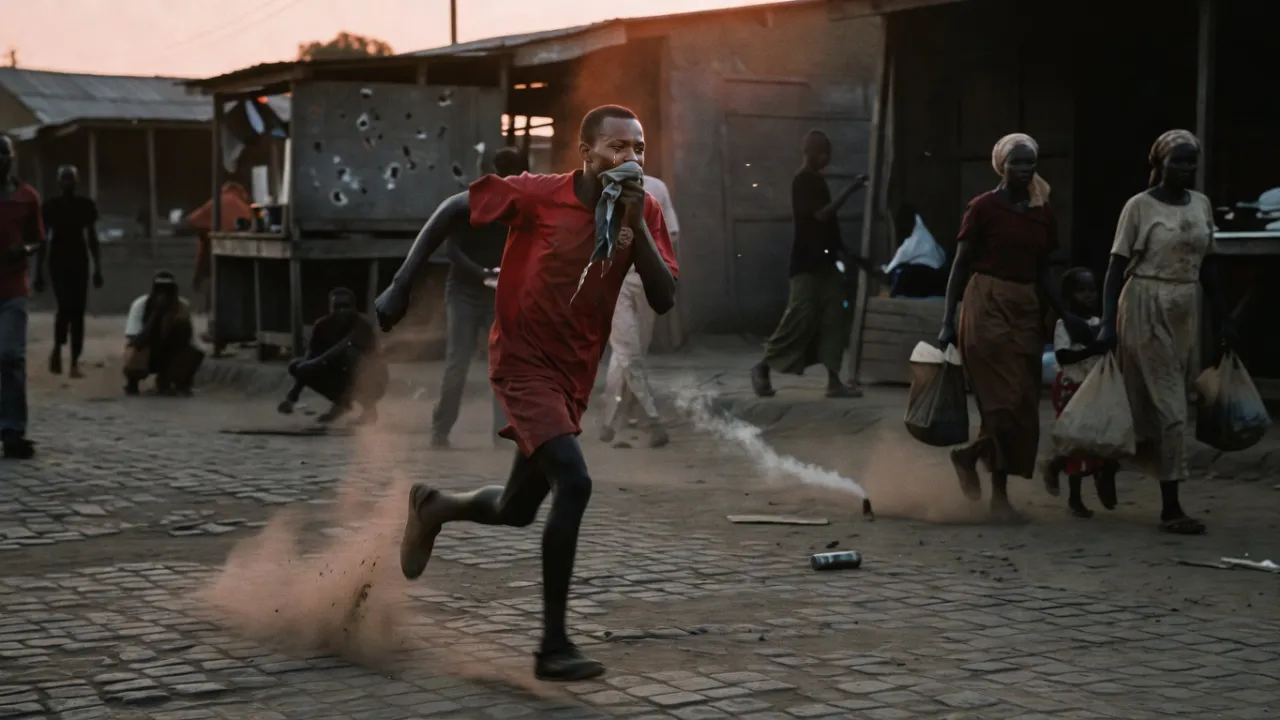
On 1 June 2026, hundreds of people gathered in Nanyuki, in central Kenya, to oppose a planned 50-bed American quarantine center at the Laikipia air base. The facility was intended for U.S. nationals potentially exposed to the Ebola virus during the ongoing outbreak in the Democratic Republic of Congo and Uganda. Kenyan defense forces first sealed off the base before riot police fired tear gas and warning shots. Two people were killed by gunfire.
On 2 June, the Kenyan High Court extended its freeze on the project by three weeks and ordered the government to make the agreement reached with Washington public. President William Ruto publicly acknowledged that it was Donald Trump who had personally asked him to authorize the center, defending the arrangement as part of a long-standing health cooperation between the two countries. On the American side, Secretary of State Marco Rubio had stated that his country could not admit any case of Ebola on its soil.
The episode reaches beyond Kenya alone. Nigeria stepped up surveillance at Lagos airport, South Africa called for an independent African biosecurity framework, and the WHO lowered its estimates of suspected cases in the DRC and Uganda. The wider backdrop is a U.S. administration reducing its presence on the continent, with a plan to halve the number of embassies able to issue visas.
The disagreements concern less the facts than how to read them. Kenyan actors denounce an infringement of sovereignty and demand that Americans be quarantined at home; Washington cites the logistical specificity of the area and its fear of domestic contamination; others see an imbalance in how health risks are handled. The exact content of the agreement, frozen by the courts, remains unpublished at this stage.