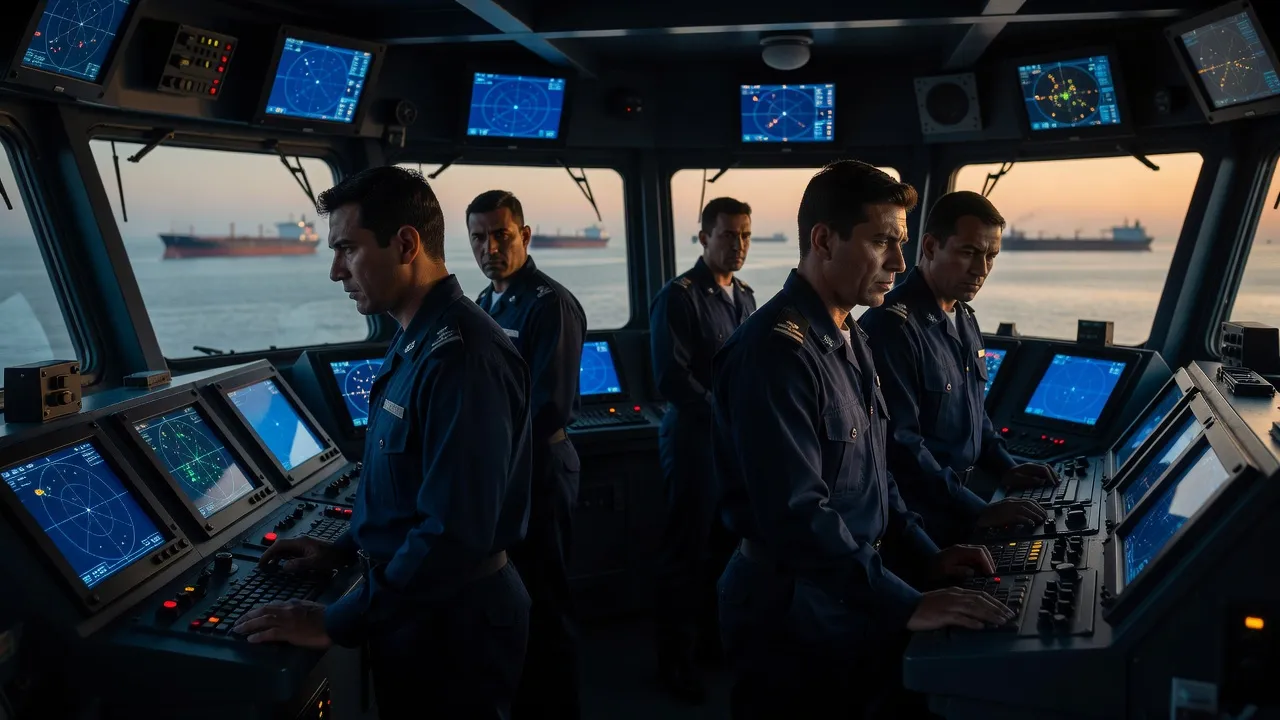
On 25 and 26 June, the Singapore-flagged cargo ship M/V Ever Lovely was hit by a drone in the Strait of Hormuz. The attack triggered the first US military strikes since the signing of a ceasefire memorandum between Washington and Tehran. On 26 and 27-28 June, CENTCOM carried out two waves of operations against Iranian military facilities: missile and drone depots, coastal radars, communication systems and air defences. Iranian forces retaliated by targeting US positions in the Gulf, including the Ali Al-Salem base in Kuwait and the headquarters of the Fifth Fleet in Bahrain.
The escalation comes less than two weeks after an interim agreement meant to guarantee free commercial transit through the strait for 60 days. This waterway carries roughly 20% of global oil shipments, giving the conflict immediate economic reach for importing countries. The IMO's suspension of the evacuation of some 11,000 seafarers stranded in the region underscores the limits of multilateral mechanisms in this context.
Several points remain disputed. Each side accuses the other of breaking the ceasefire, while some actors assign responsibility to both parties. The legal status of the strait pits two readings against each other: Iran claims, as a coastal state, a right to regulate traffic and imposes authorised routes, whereas Washington defends the principle of freedom of navigation in international waters. A US presidential statement raising the prospect of the end of the Islamic Republic of Iran adds uncertainty about the real thresholds of escalation, and the 60-day negotiation window now appears compromised.