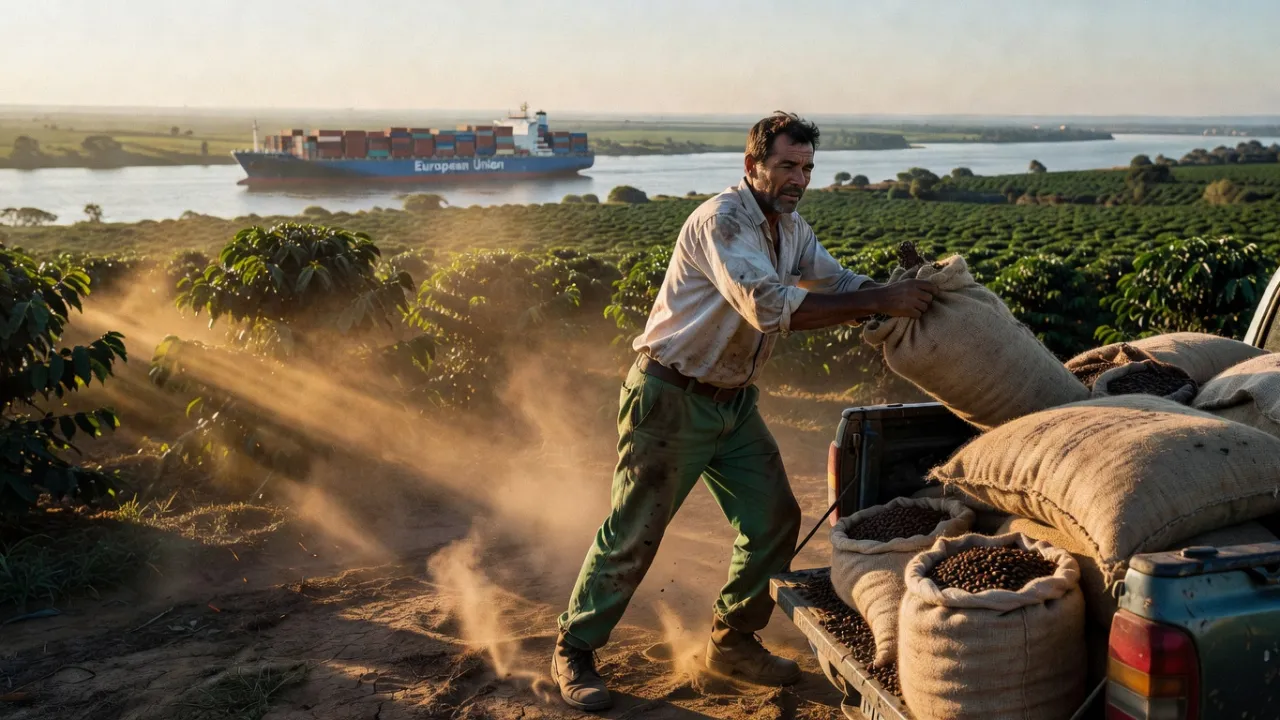
On 1 May 2026, the free-trade agreement between the European Union and the South American Mercosur bloc entered into provisional force. It technically creates the world's largest free-trade area by population covered, roughly 720 million people, and removes tariffs on more than 90% of trade. Tariff reductions on industrial and agri-food goods apply immediately.
The text is the outcome of twenty-five years of intermittent negotiations, revived in 2025 by the pressure of US tariffs that pushed Brussels to seek alternative commercial outlets. Against a backdrop of a trade war with the United States and competition from China, the agreement is presented as a strategic response and a diversification of partners.
Its entry into force remains contested on several fronts. The European Commission activated provisional application without waiting for ratification by the European Parliament or a ruling from the EU Court of Justice, which is hearing an annulment appeal. Several capitals and lawmakers consider this procedure problematic, while other actors regard it as legitimate.
The content also divides opinion. Several governments see a major outlet for their exports of cars, wines and pharmaceutical products. Others denounce a threat to European farmers, who they argue face competition operating under different environmental and health standards. A third debate sets those who read the deal as an assertion of autonomy from Washington against those who find that stance inconsistent.
Several angles remain little covered, notably the concrete gains for South American exporters and the implementation mechanisms of the environmental clauses.