Diplomatie & Gouvernance
Europe Rebels: Italy, France and Germany Deny Their Bases to the US War Machine
Context
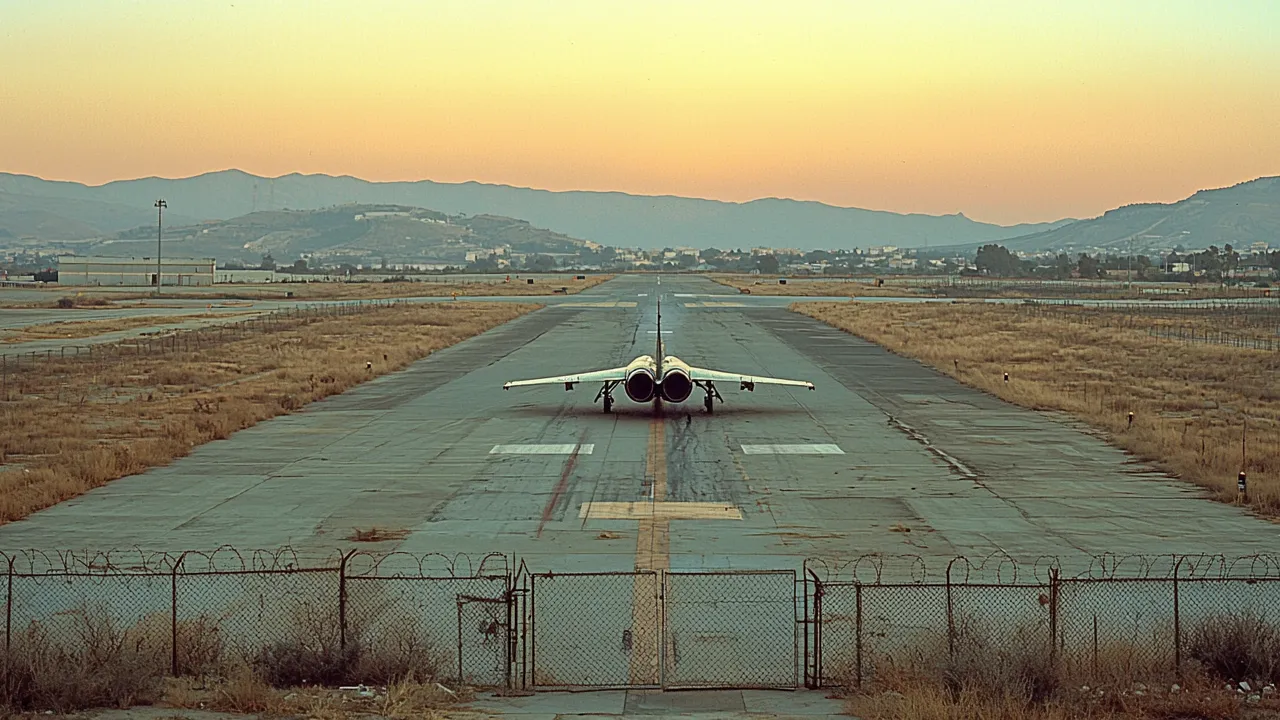
Over five weeks of war, several NATO members have taken concrete steps to refuse cooperation with a U.S. military operation targeting Iran. Spain went the furthest by closing both its airspace and its bases, the most complete refusal by an ally of the Alliance. Italy in turn declined the use of the Sigonella base for transiting bombers. As a direct consequence, the fifteen KC-135 tankers stationed at Rota and Morón had to be relocated to other European bases.
These decisions amount to more than a diplomatic gesture. They affect the very logistics of the operation by altering the support points available to aircraft on mission. That is what sets the current sequence apart from past oppositions: it no longer involves only statements, but material restrictions imposed on the ground.
The historical context clarifies what is at stake. It is the first time since the 2003 Iraq war that so many European allies have simultaneously opposed a U.S. military operation. The difference lies in the nature of the refusal: in 2003 it was essentially diplomatic; in 2026 it is logistical.
Several points remain disputed or uncertain. The actors involved diverge on the scale of the operational impact: some quantify concrete military consequences, such as longer flight routes and a reduced fuel ratio, while others play it down by pointing to the reliability of allies. The political reading varies just as much, between those who present these refusals as an assertion of autonomy and those who describe them as a rupture within the Alliance. The legal debate over the legality of certain bases remains open, with no formal ban in several still-hesitant countries.
What the comparison reveals
What everyone says
- Spain closed its airspace AND its bases — the most comprehensive refusal by any NATO ally
- Italy denied the Sigonella base for bomber transit
- The 15 KC-135 tankers from Rota and Moron were relocated to other European bases
Where it breaks apart
- Courageous rebellion or betrayal of the alliance? — RT and Al Jazeera applaud. The U.S. denounces ingratitude. Germany hesitates between international law and Atlanticism.
- Operational impact: major or circumventable? — RT quantifies the military consequences (extended routes, reduced fuel ratios). U.S. media downplay it by talking about 'ally reliability.'
Explore every perspective on this subject across 8 countries.
Compare viewpoints and see where they diverge.







