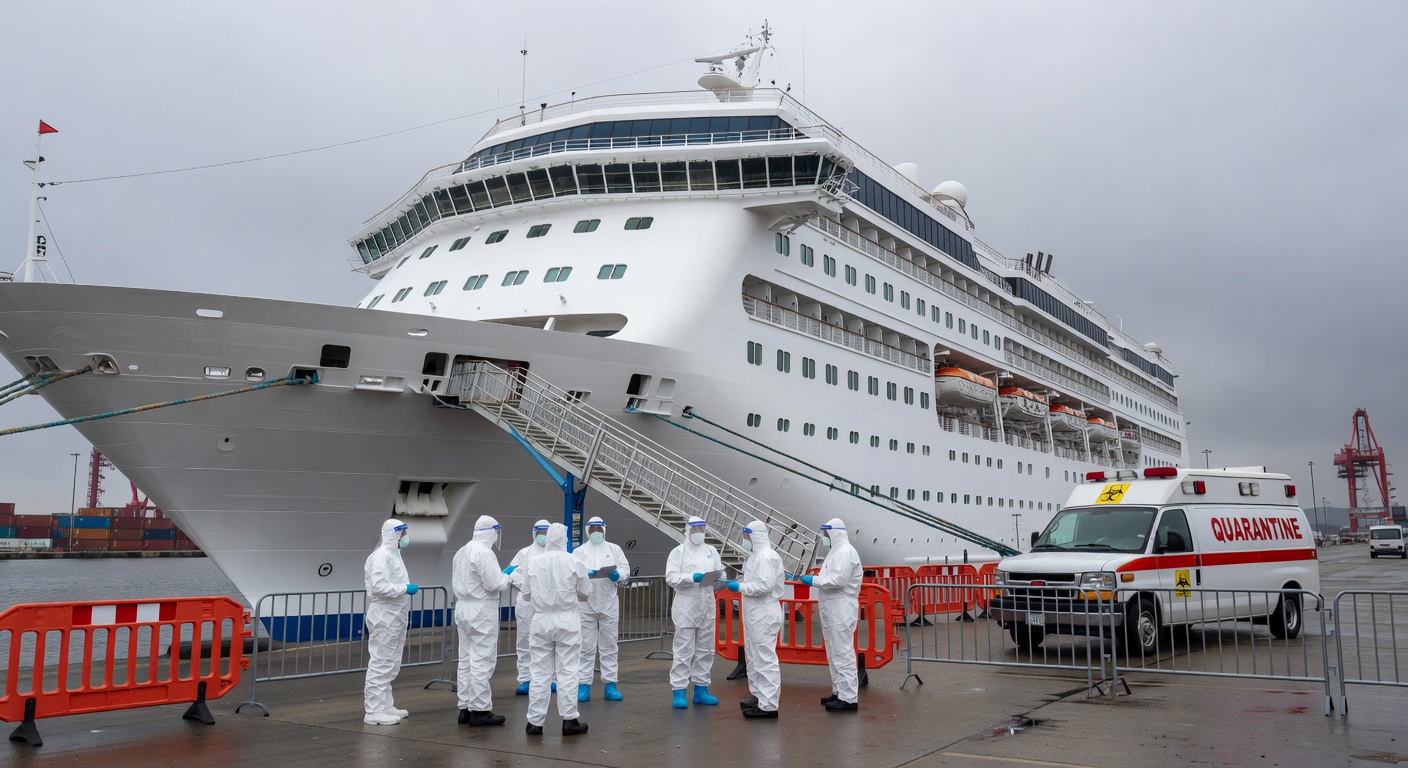
A second Spanish passenger from the expedition ship MV Hondius has tested positive for hantavirus while already in quarantine at the Gómez Ulla Hospital in Madrid. At the time of the initial report to the World Health Organization, the vessel was carrying roughly 150 passengers and crew of 23 nationalities. Three people died during the voyage, including at least two hantavirus cases confirmed by the WHO.
Spanish health authorities stated that the discovery of this new case does not change the level of risk for the general population. The fact that it was detected within the isolation system already in place is presented as evidence that the quarantine protocol is working.
The episode highlights the difficulties of health governance in the face of cross-border maritime mobility: a Dutch-flagged ship, departed from Argentina, with a largely Filipino crew and passengers from many countries, evacuated to the Canary Islands and then repatriated to their respective states. This dispersal forces several jurisdictions to coordinate their responses.
Readings of the event diverge. Some actors stress that the situation is institutionally under control, others emphasize the lack of a vaccine and specific treatment and the risks to global port hubs, while others prioritize consular protection for sailors quarantined in Amsterdam. The question of possible human-to-human transmission in a confined space, the exact hantavirus variant involved and the precise circumstances of the three deaths remain poorly documented, as does the absence of any inquiry into responsibilities tied to the ship's operation.