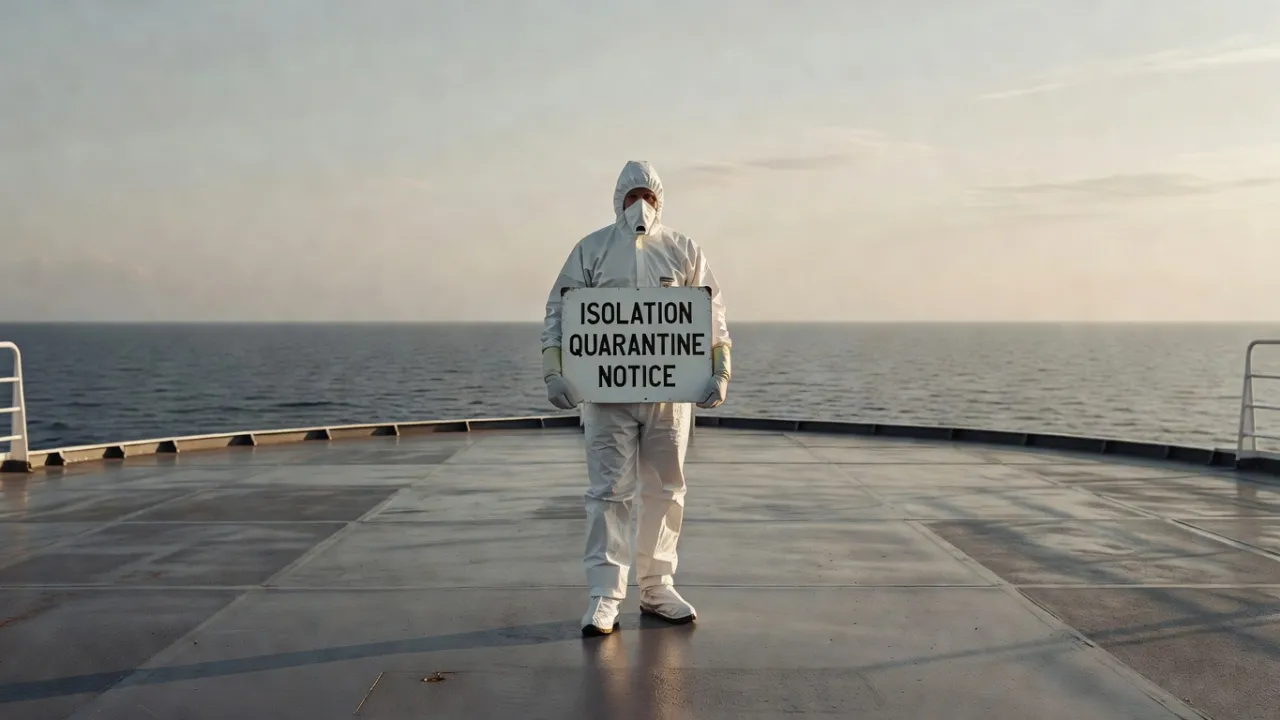
Aboard the polar expedition vessel MV Hondius, the official tally has reached eleven confirmed cases and three deaths, all among passengers and crew members. A French patient has been placed on artificial lung support (ECMO). Several laboratories, in South Africa, Switzerland and the Netherlands, have confirmed through genomic analysis that human-to-human transmission did occur on board — an unusual event for this pathogen.
The scientific data converge on one central point: the Andes strain involved is genomically stable. Researchers note two mutations without functional consequences, no reassortment, and 98 percent similarity to Argentine strains documented between 1997 and 2018. The risk to the general population is assessed as low, and the WHO does not raise the prospect of pandemic potential.
This virus has been known in South America since the 1990s, but northern countries have close to zero operational experience with it. The episode highlights a grey zone in health governance: outbreaks occurring at sea, in international waters or polar regions, fall outside any binding framework. The WHO can issue recommendations, but each state decides its quarantine protocols alone.
Several points remain disputed. Quarantine approaches differ sharply, from hospital confinement to weeks of at-home isolation. The origin of the initial contamination is debated: suspicion points to a port of departure, while Argentina contests this on the grounds that the carrier rodent has been absent from its territory since 1996. Some actors compare the situation to Covid-19 to gauge the risk, while others stress their fundamental differences.