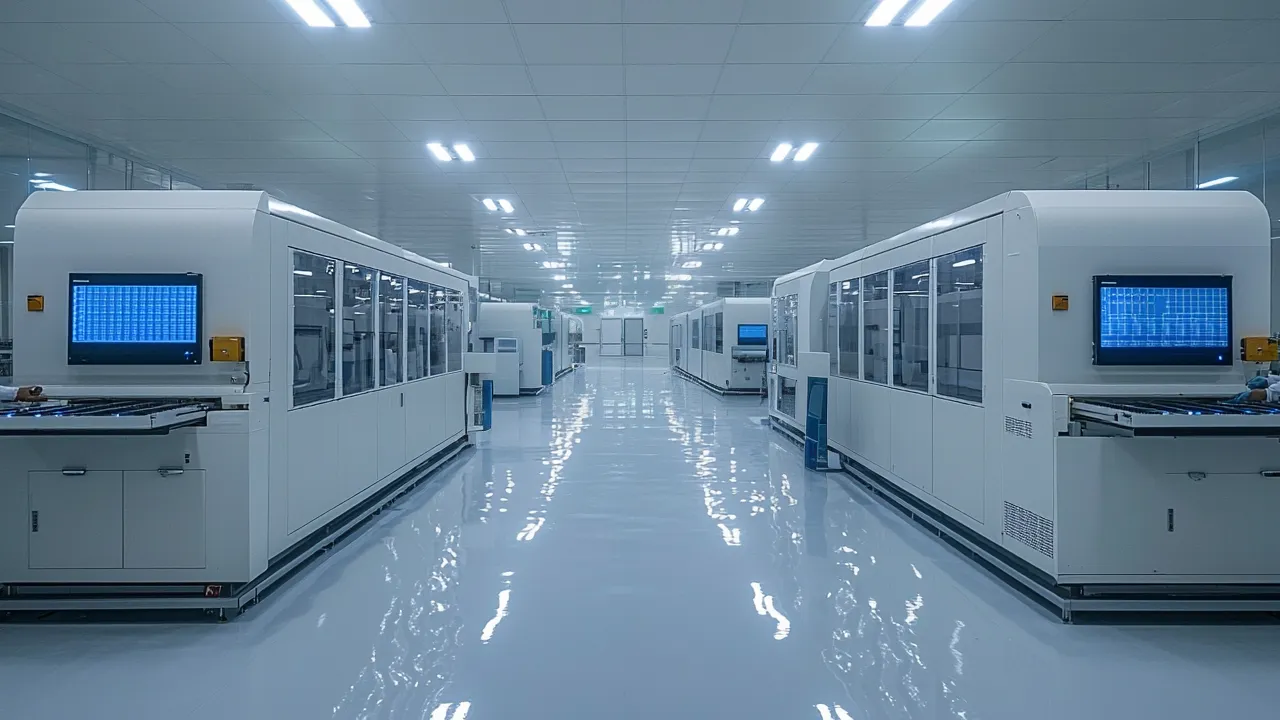
India has taken a new step in its drive toward semiconductor self-reliance. Several plants have been approved under a national mission, and a partnership between HCL and Foxconn, based in Uttar Pradesh, has been launched. The facility is geared toward chip assembly and testing (OSAT) rather than cutting-edge manufacturing. On this point, the analyses converge: the country is establishing itself as a credible emerging player in the global ecosystem while remaining far behind the sector's leaders.
This move is part of the reshaping of technology supply chains that began after the pandemic. The so-called "China Plus One" strategy is pushing companies to diversify their production sites beyond China, and India appears to be one of the main beneficiaries. With chips having become a major industrial and strategic stake, attracting these supply chains feeds New Delhi's ambitions.
One assessment is unanimous, however: the technology gap with Taiwan and South Korea remains substantial on the most advanced chips. The current partnership concerns the downstream end of production, and the country's ability to move up the value chain in the coming years remains uncertain.
The significance of the initiative is read in opposing ways. Some actors, including India and the United States, highlight rapid progress and a rebalancing against China; others, such as China and Pakistan, view the ambitions as overstated or see a containment logic at work. Technologically advanced countries adopt a more measured stance, acknowledging the gains while underlining their limits. For regional competitors, the issue is also one of a possible diversion of investment.