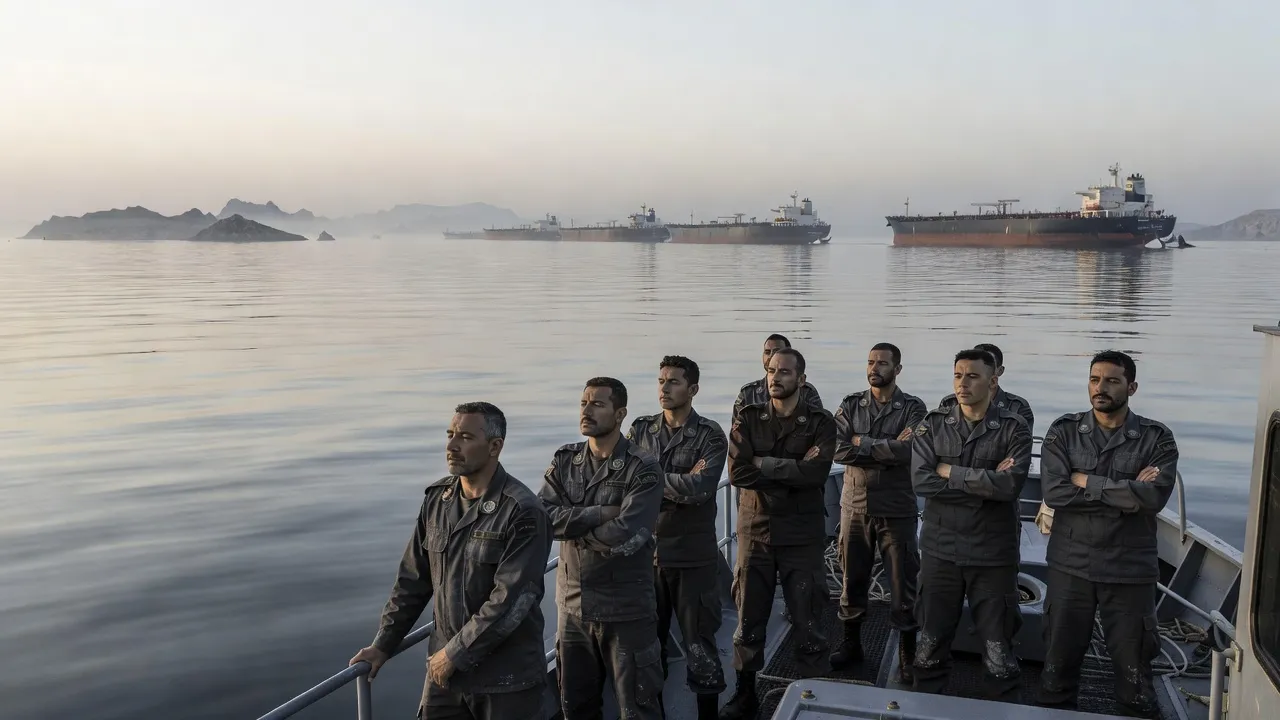
Days after Washington and Tehran signed a 14-point memorandum of understanding — the first direct agreement between the two countries since 1979 — Iran officially declared the Strait of Hormuz closed. Tehran cited continued Israeli strikes in Lebanon, which killed dozens despite a ceasefire, as a breach of the text. The US Central Command (CENTCOM), for its part, says 55 merchant vessels transited the strait on Saturday, carrying more than 17 million barrels of oil, contradicting the Iranian declaration. Tehran warns that the nuclear agreement is "in danger."
Despite these tensions, technical talks between American and Iranian delegations were held in Switzerland, with Pakistan and Qatar acting as mediators. The memorandum set a 60-day window to discuss the nuclear file, sanctions and freedom of navigation. Donald Trump raised the possibility of imposing an American toll in the strait if no final deal is reached, while specifying that no toll would apply during that period.
The stakes are considerable: roughly 20% of the world's oil and liquefied natural gas supplies normally pass through this corridor. The signing of the memorandum had already pushed Brent crude down from about 118 dollars in late March to 78 dollars by mid-June, and the closure declaration revived market volatility.
Several points remain disputed. Actors and observers diverge on whether the closure is actually effective, on Israel's share of responsibility — as a non-signatory to the agreement — in the crisis, and on the legitimacy under international law of a possible toll. The strategic outcome of the sequence for Iran is likewise read in opposing ways.