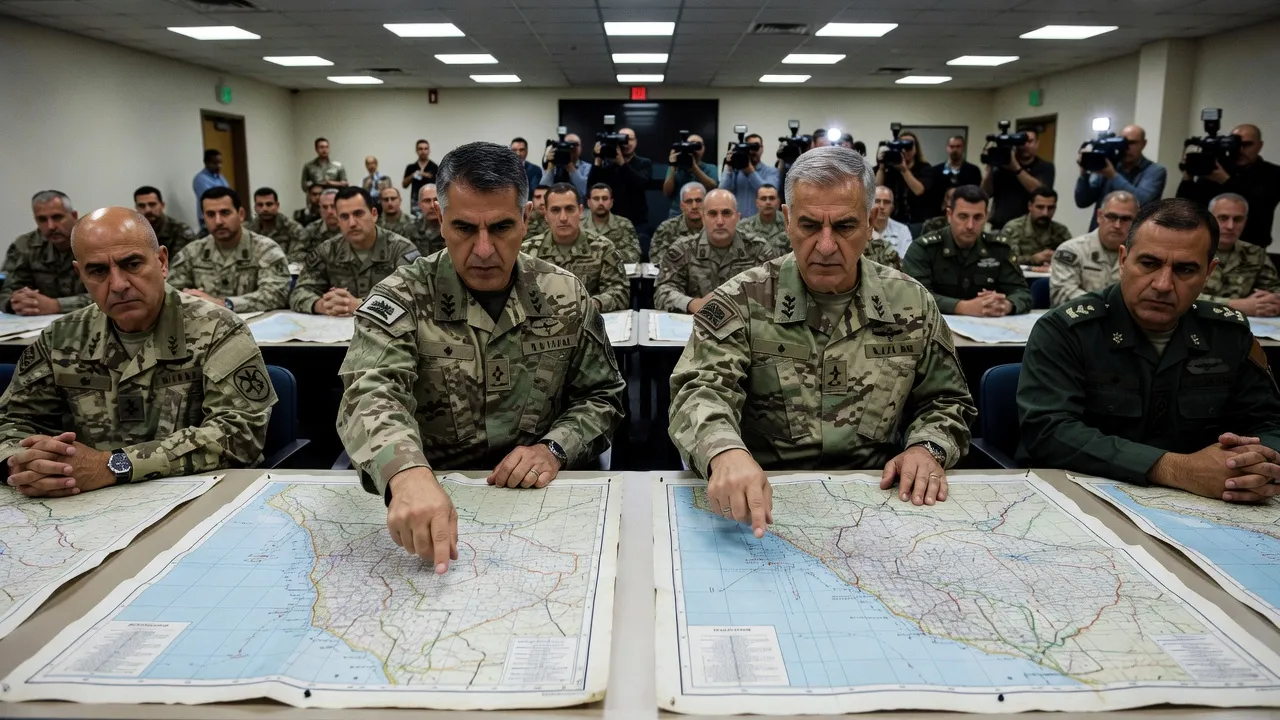
On the night of 9 June, a U.S. Army Apache helicopter was shot down, or collided with an Iranian drone, near the Strait of Hormuz. Both of its crew members were recovered by a U.S. naval drone. In response, the U.S. command CENTCOM launched strikes it describes as "proportionate self-defense" against Iranian air-defense installations, radars and command posts at the Qeshm and Jask sites.
The incident belongs to a crisis that began in early 2026 and marks the first direct armed clash between the two countries since the fragile truce that took effect on 8 April. It is the ninety-fifth recorded episode of this sequence and unfolds in an area controlling about 20% of global oil trade, which explains the attention importing states pay to the security of supplies.
Tehran vows to answer any new attack and targets U.S. bases in Bahrain, Kuwait and Jordan, placing regional allies under the threat of a wider conflagration. At the same time, Washington maintains a dual posture, combining military strikes with the continuation of nuclear negotiations, a consistency questioned by all the actors involved.
Several points remain disputed. Washington maintains that the talks are not compromised, while Tehran rejects this framing and conditions any resumption on a halt to the strikes. The legality of the operations, their "proportionate" character and the question of who triggered the escalation are read in opposing ways by the parties. The human toll of the strikes and the exact circumstances of the initial incident remain, at this stage, uncertain.