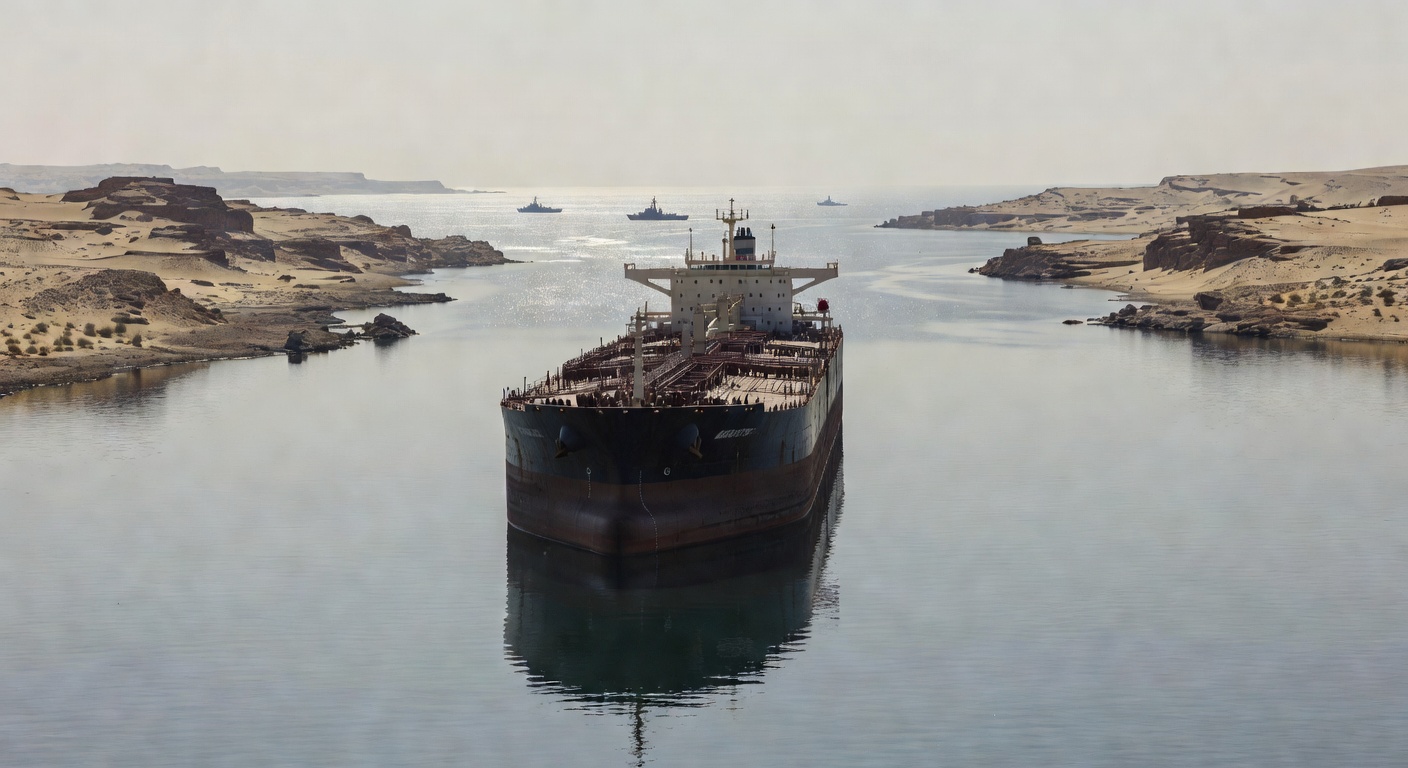
Iran proposes reopening Hormuz strait in exchange for end to US naval blockade
April 29, 2026·17 COUNTRIES
17countries·26sources·45articles
Asia (5)
Middle East (3)
Europe (3)
Americas (2)
Russia & CIS (2)
Oceania (1)
Other (1)
Asia
Middle East
Europe
Americas
Russia & CIS
Oceania
Other
IranHormuzguerre Iran-USAblocus navalTrumpMerzpétrolediplomatie
EXPLORE THIS STORY
Context
After two months of conflict, a formal offer is now on the table: Tehran proposes to reopen the Strait of Hormuz if Washington lifts its naval blockade. The proposal unfolds in three steps — reopening Hormuz, ending hostilities, then talks on the nuclear issue — and was relayed through Pakistani and Omani mediation channels. It is currently the only formal offer in existence, something all actors watching the crisis acknowledge.
The main sticking point remains the nuclear file. Washington refuses to separate it from the rest and wants it addressed in the first phase, while Tehran intends to secure the lifting of the blockade before turning to that matter. Both capitals hold publicly to their positions, each refusing to yield on the sequence of negotiations.
The stakes extend far beyond the two belligerents. The closure of Hormuz is unanimously described as a major global economic crisis: economies heavily dependent on Gulf energy imports bear the most direct shock and call for a swift resolution. Washington faces a difficult trade-off between restarting world trade and maintaining pressure in the hope of weakening its adversary.
The interpretation of the offer, however, deeply divides observers. One reading sees it as a sign of an economically weakened Iranian position, forced to compromise; another, conversely, as a fully deliberate negotiating lever, with Tehran believing time is on its side. Some European voices also judge that this war is being waged without a clearly defined exit strategy, while other actors read Iranian resilience as a factor to assess coolly.
The role of Russia remains another point of disagreement. Some portray it as actively backing Tehran and exploiting gaps in the sanctions; others watch this axis without being able to respond to it directly. Regional mediators continue to relay, behind the scenes, proposals that neither Washington nor Tehran can yet openly endorse.