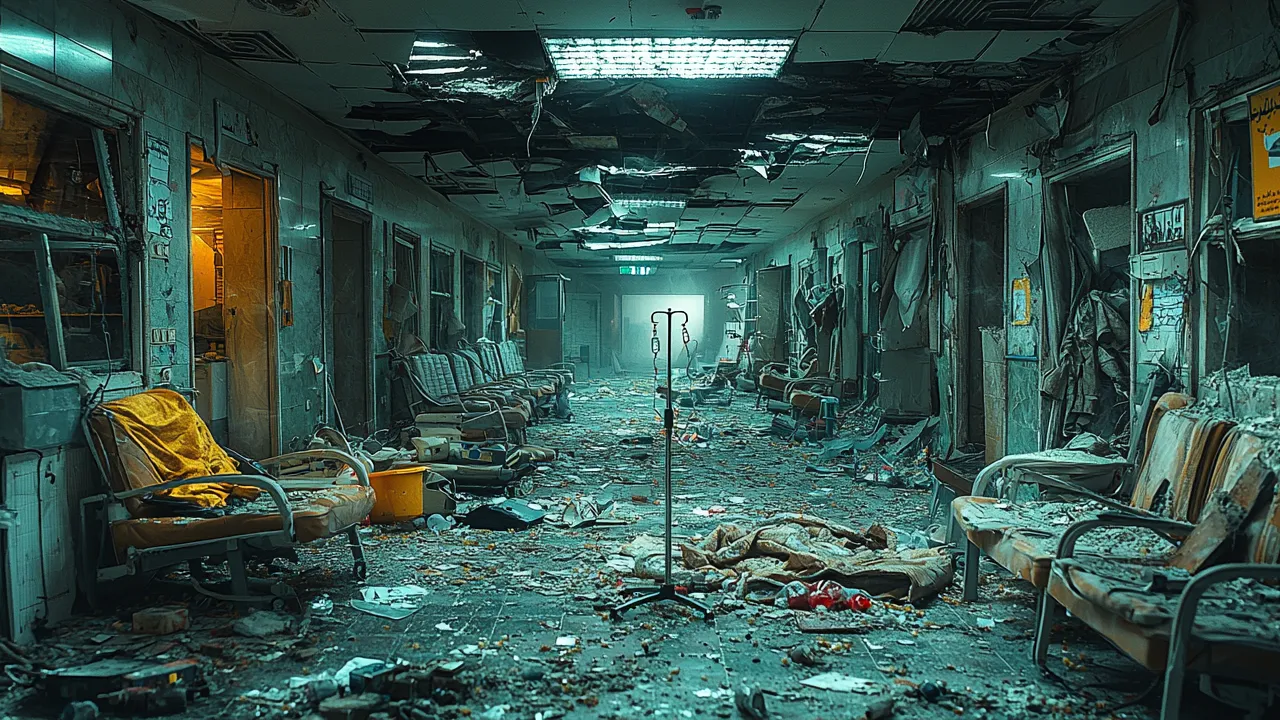
Israeli strikes carried out in Iran have reopened a cycle of escalation in the Middle East. Beyond their intended targets, these operations have had direct repercussions for civilian populations, including reported shortages of medicines. The episode is part of a long-running confrontation between Iran and Israel, whose ramifications extend well beyond the two countries.
On several points, the various actors converge. The conflict carries an economic and energy impact of global scale, given Iran's central position in the region's markets and strategic routes. It raises the risk of regional escalation and of broader destabilisation across the Middle East. And its humanitarian consequences for civilians are a shared source of concern.
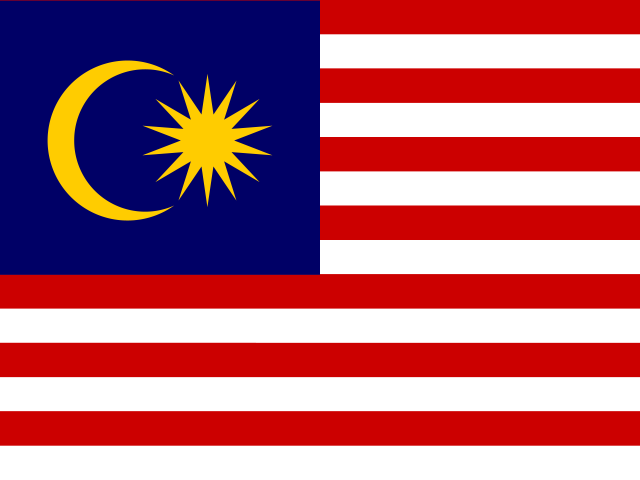
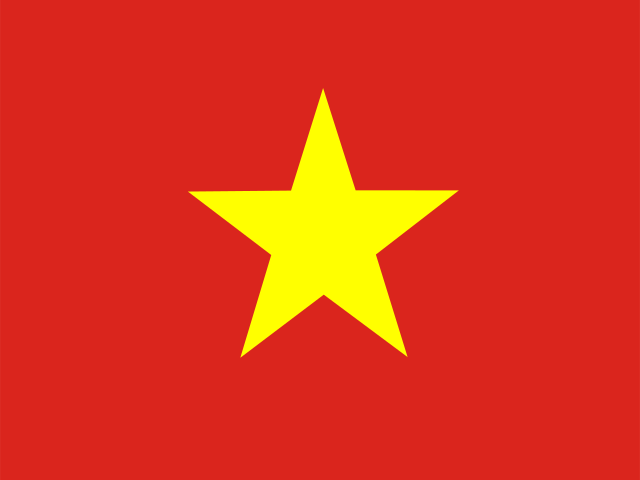
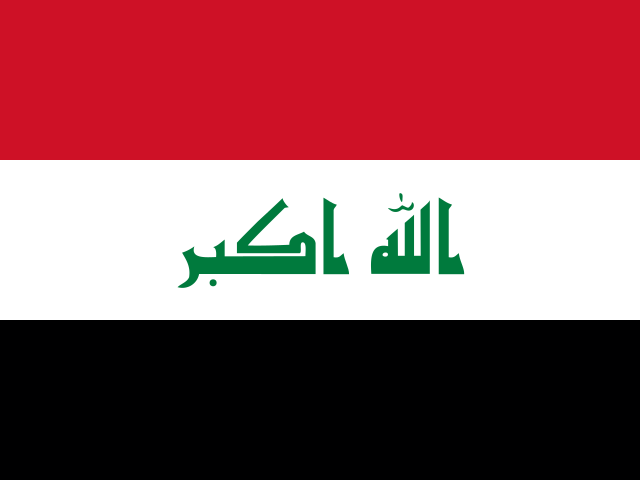
Context helps make sense of the stakes. The positions taken reflect contemporary geopolitical fault lines: one pole favours a security-driven reading of the strikes, while others defend a more diplomatic approach, emphasising mediation and the economic and humanitarian costs. Still other actors opt for cautious neutrality, focused on economic fallout. These divisions point to a shift toward a more multipolar order, in which national interests weigh more heavily than traditional alignments.
Several questions remain sharply disputed. The legal and moral legitimacy of the strikes is contested: some justify them as preventive, while others see a breach of law. The attribution of responsibility for the escalation is likewise debated, split between denouncing an act of aggression and denouncing a provocation. Finally, the trade-off between humanitarian priority and security imperatives remains a lasting point of disagreement.