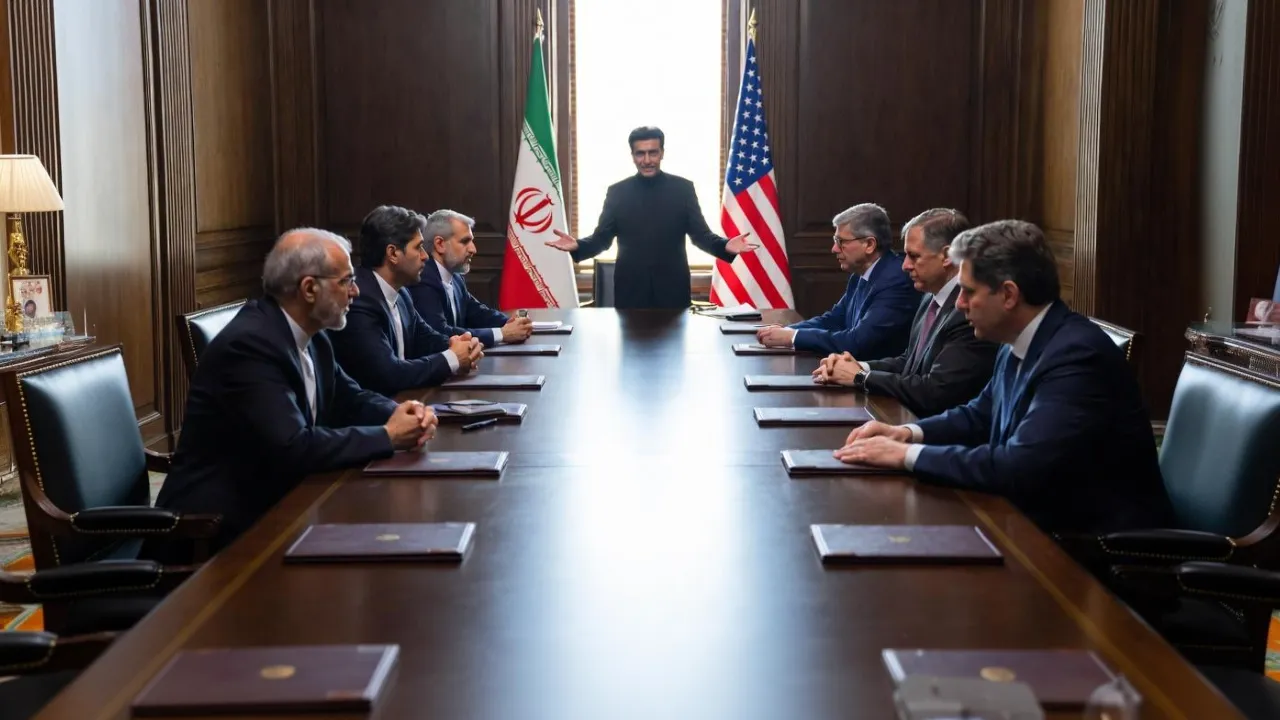
Iran has transmitted, through Pakistan, a fourteen-point peace plan presented as a response to a nine-point American plan. The document proposes ending the war within thirty days, gradually reopening the Strait of Hormuz, and halting all hostilities. Tehran has confirmed receiving the American counter-proposal, also via Islamabad, and says it is studying it.
The plan rests on a phased logic: first settle the military and economic questions, then address the nuclear file separately, a subject deliberately left out of the text. That omission lies at the heart of the tensions, with some actors holding that denuclearization must be at the center of any agreement from the outset.
The context clarifies what is at stake. Since 8 April 2026, a ceasefire has held between the two sides, but talks have been stalled since a first round in Islamabad. The fourteen-point plan marks a shift in approach: rather than an immediate comprehensive settlement, it proposes a three-stage progression that decouples the military track from the nuclear one.
Positions remain opposed. On one side, the public rejection of the plan is justified by the argument that Iran has not yet made sufficient concessions; on the other, Tehran maintains that it has put forward a good-faith proposal and blames the other party for starting the war. Pakistan's role as mediator, retaining the trust of both sides, remains uncertain after the failure of the first direct round.
Several unknowns persist: the real scope of the concessions mentioned for a later phase, the possibility of renewed hostilities, and the ability of diplomatic channels to revive a dialogue at a standstill.