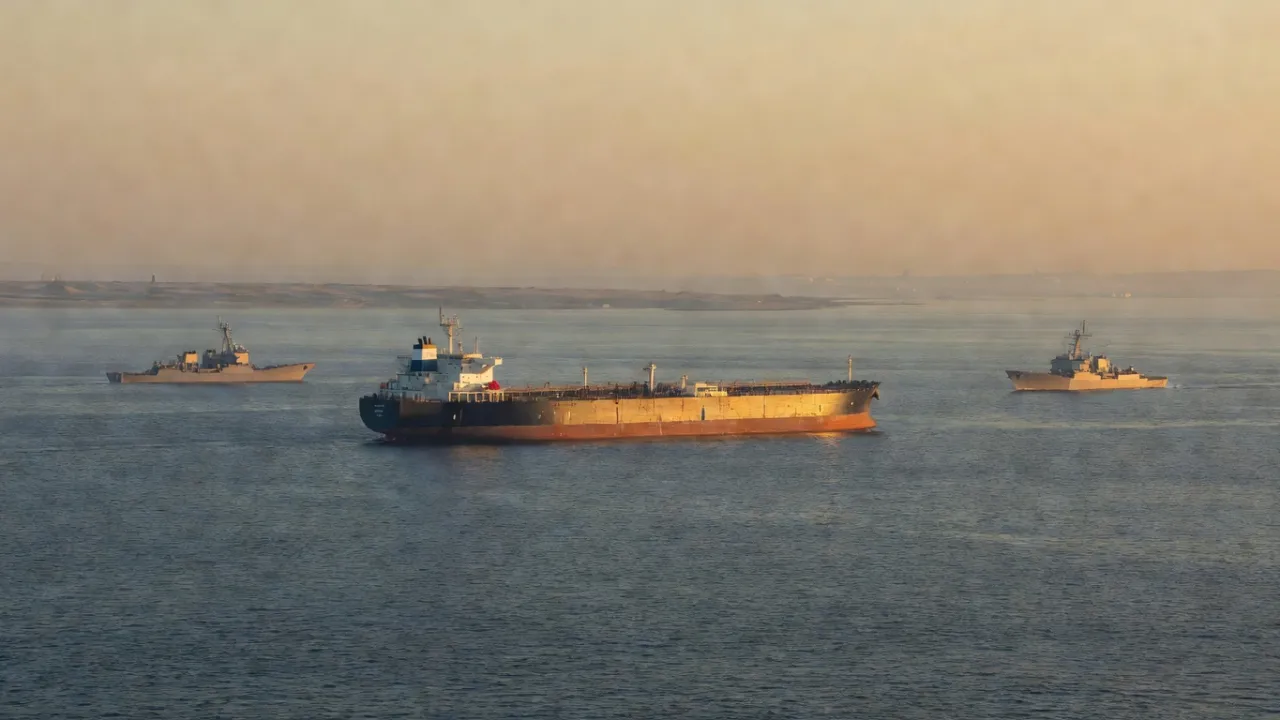
The ceasefire announced on 7 April 2026 between Iran and the United States is now regarded as extremely fragile by all parties. At the heart of the crisis, the Strait of Hormuz has remained closed to Iranian exports for 28 days, a maritime passage through which roughly 20% of global oil trade flows. The latest Iranian response to the American proposal was rejected by Washington, which called it totally unacceptable.
The economic consequences are already being felt. US inflation has reached 3.8% and the government is considering cutting the gasoline tax. India and Southeast Asia, heavily dependent on Gulf oil, are absorbing the harshest shock, while Iran, deprived of its maritime outlets, is also facing heavy financial strain.
The diplomatic backdrop is dominated by a summit between the American and Chinese leaders in Beijing (13-14 May 2026). Washington is pressing China to use its influence over Tehran; Beijing casts itself as a facilitator and encourages Pakistan to step up its mediation, while declining to align with the American military posture. Pakistan holds an uneasy position, at once an official mediator and the target of accusations from US senators.
Several points remain disputed. Tehran presents its counterproposal as reasonable and defends its sovereignty over Hormuz, while Washington rejects it. The future of the ceasefire, the direction of crude prices, and the outcome of the summit all remain uncertain.