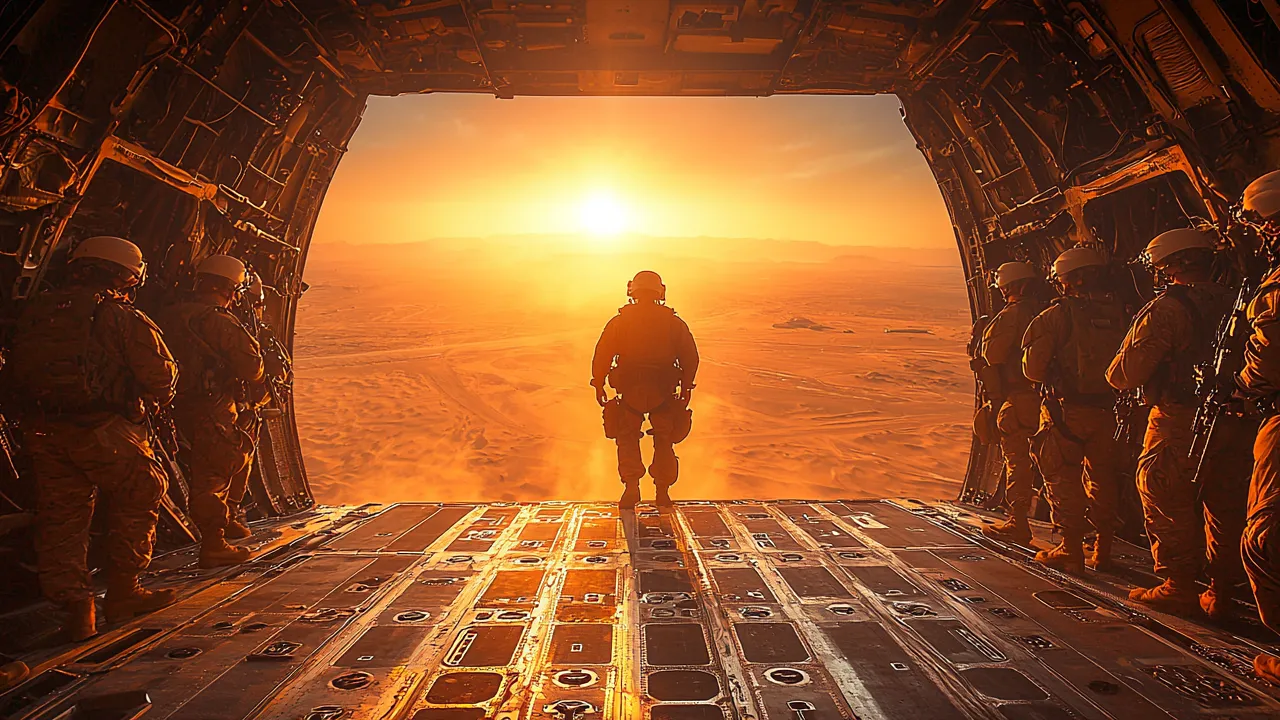
On the twenty-sixth day of the conflict, a fifteen-point American plan was handed to Iran, which rejected it as extremely maximalist. At the same time, more than a thousand soldiers from the 82nd Airborne Division were deployed, bringing American forces in the Middle East to over fifty thousand. Across the region, the death toll now exceeds two thousand in twenty-six days.
This moment marks a possible turning point. The plan's delivery and subsequent rejection open a diplomatic sequence, even as military operations continue on both sides. The airborne reinforcement is read as a sign that Washington is preparing for a prolonged conflict, while the closure of the Strait of Hormuz places worldwide energy pressure on any resolution of the crisis.
The context explains the intensity of the opposing readings. The human toll, made up largely of Iranian and Lebanese civilian casualties, is beginning to weigh on global opinion. Several European and Arab capitals call for serious negotiations, while other actors read the conflict through the lens of a contest between powers.
The essentials remain disputed. American officials describe the talks as active and promising, which Iranian sources deny. The nature of the plan, responsibility for the outbreak of hostilities, and the proportionality of the strikes are the subject of contradictory accounts, with no party endorsing the other's version.