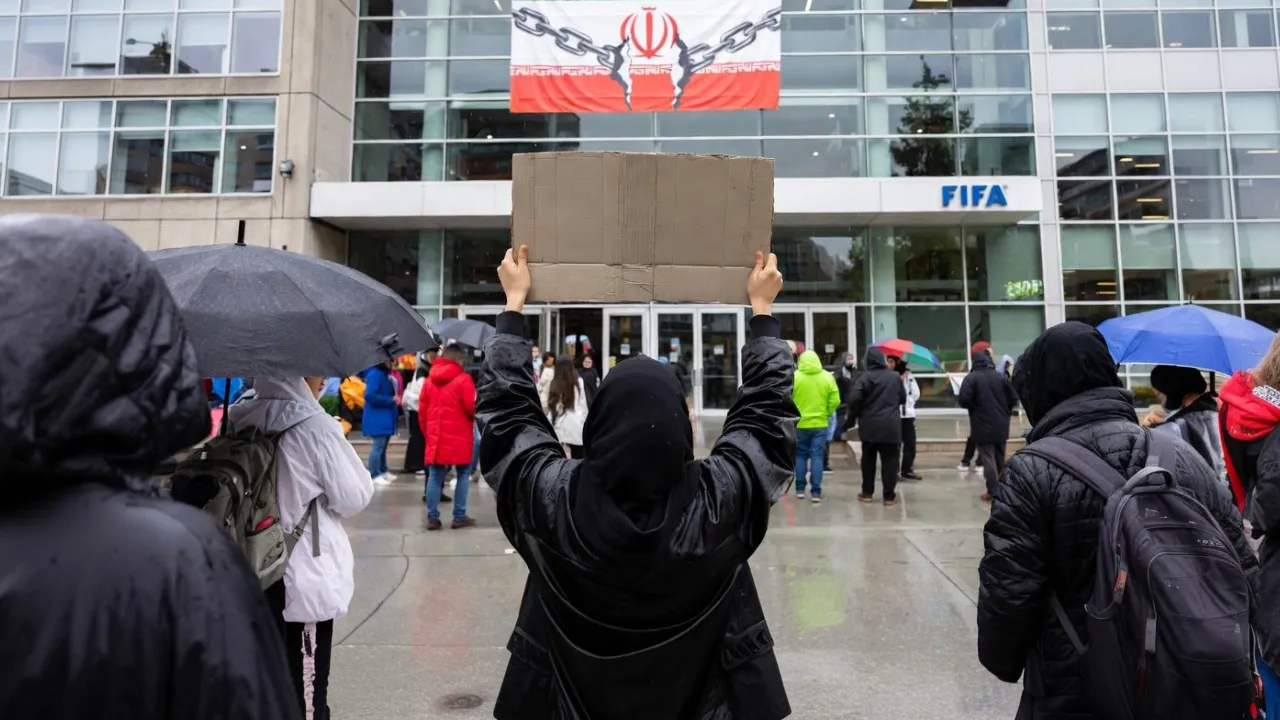
At the FIFA congress in Vancouver, Gianni Infantino confirmed that Iran's national team will take part in the 2026 World Cup, co-hosted by the United States, Canada and Mexico. Asked about the decision, Donald Trump approved it. The Iranian squad is set to compete under the code name "Minab 168," as reported by Iranian state media.
The confirmation comes amid an ongoing war involving Washington, Tel Aviv and Tehran, making this participation unprecedented: a team from a country at war with the main host will play on that host's soil. Infantino, who is also seeking re-election to his own post, secured Trump's agreement using a purely sporting argument. Yet, ahead of the congress, the Iranian delegation left Canada following an incident at Toronto airport, where its officials were reportedly held and searched. Tehran denounced a diplomatic "insult" and declined to attend the Vancouver congress.
Several lines of disagreement run through the affair. The first concerns the team's legitimacy: refugees and voices from the diaspora argue it represents those in power rather than the population, while other actors treat it as an ordinary national side. The second concerns Washington's stance: some see a pragmatic, sporting decision, others a contradiction with the state of war. The Toronto incident is likewise divided, framed either as a diplomatic affront or as the routine application of security rules that apply to all travelers.
FIFA's role, finally, is disputed. Infantino described sport as standing "above conflicts," while observers question whether it can remain apolitical in such a context. Outstanding issues include the visa regime for players and supporters, and the treatment of Iranian nationals at U.S. borders.