Netanyahu Orders Strikes on Hezbollah as Lebanon Ceasefire Collapses Within Hours
April 26, 2026·11 COUNTRIES
11countries·19sources·29articles
Middle East (3)
Americas (2)
Asia (2)
Europe (1)
Other (1)
Russia & CIS (1)
Oceania (1)
Middle East
Americas
Asia
Europe
Other
Russia & CIS
Oceania
EXPLORE THIS STORY
Context
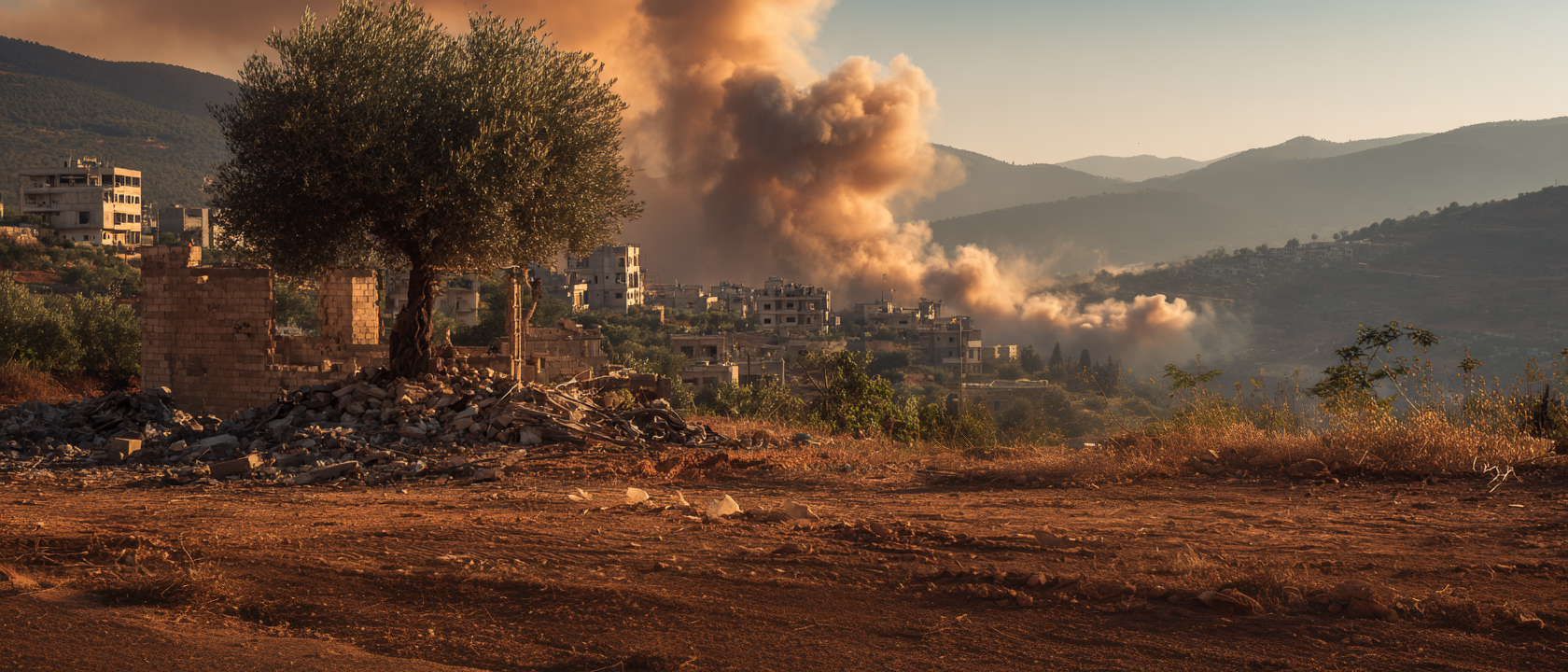
A three-week extension of the Israeli-Lebanese ceasefire was announced by Donald Trump. A few hours later, projectiles were fired from Lebanon toward Israeli territory, which the Israeli military described as a breach of the truce. In response, Benjamin Netanyahu ordered strikes on southern Lebanon that killed at least four people. The Hezbollah, for its part, rejects any direct negotiation with Israel and refuses to disarm.
The truce's fragility stems from a deep ambiguity: Israel views it as a prelude to Hezbollah's disarmament, while the organization treats it as a mere tactical pause. The three-week extension does not resolve this misunderstanding. Caught in between, Lebanon, whose state struggles to control Hezbollah militarily, finds itself under pressure from both sides.
The actors disagree on who bears responsibility. Israel and several Western capitals portray Hezbollah as the initiator of the violations; other voices point to continued Israeli strikes in the south as a prior breach, with some assigning blame to both sides.
The disagreement also concerns the country's future: disarming Hezbollah is framed as a non-negotiable condition by some and contested in the name of Lebanese sovereignty by others, with several warning that forced disarmament could reignite internal conflict.
Several angles remain lightly covered: the humanitarian situation in the south, with displaced people returning to destroyed villages amid shortages of water and electricity, as well as internal tensions within Hezbollah between a hardline stance and a more pragmatic current.