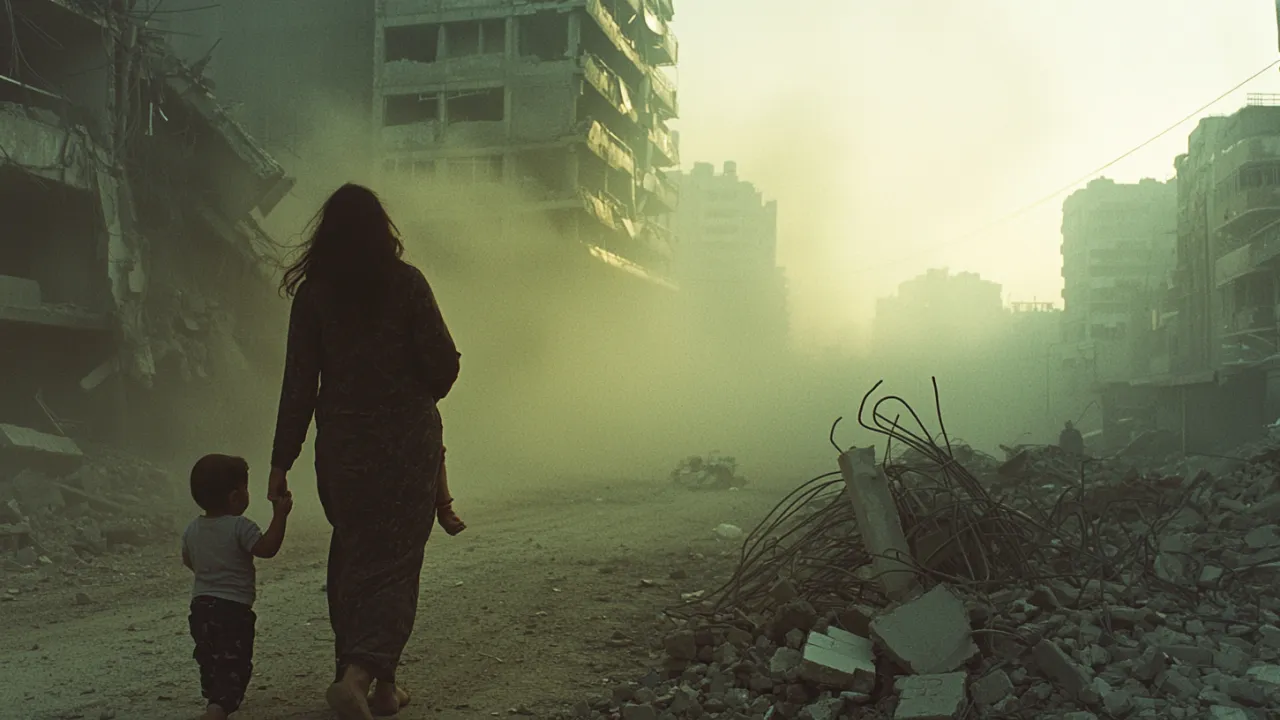
Fresh Israeli airstrikes hit Beirut, leaving several people dead and wounded. All sources agree on the essentials: the strikes caused civilian casualties and displaced part of the population, marking a clear deterioration in regional stability. The episode is described as an intensification rather than an isolated incident.
The consequences reach well beyond Lebanon itself. Observers converge in recognising that the escalation weighs on both the security and the economy of the region, affecting in particular air routes and regional movement. It is this prospect of the conflict widening across the Middle East that fuels the most widely shared concerns.
Context helps explain why readings of the event diverge. Each observing country navigates its own diplomatic constraints and alliances: some favour a strictly technical and economic approach to avoid taking sides, while others stress civilian casualties and are more critical of the military operations. These framings reflect distinct national interests and regional ties rather than a single reading of the facts.
Several points remain disputed. The security legitimacy of the strikes is contested: some actors challenge the military action by emphasising the human toll, while others decline to settle the question. Likewise, how much weight to give the role of armed groups present in Lebanon in the chain of escalation divides the analyses. Beyond the shared acknowledgement of human losses, it is the attribution of responsibility and the reading of the deeper causes that remain the most uncertain.