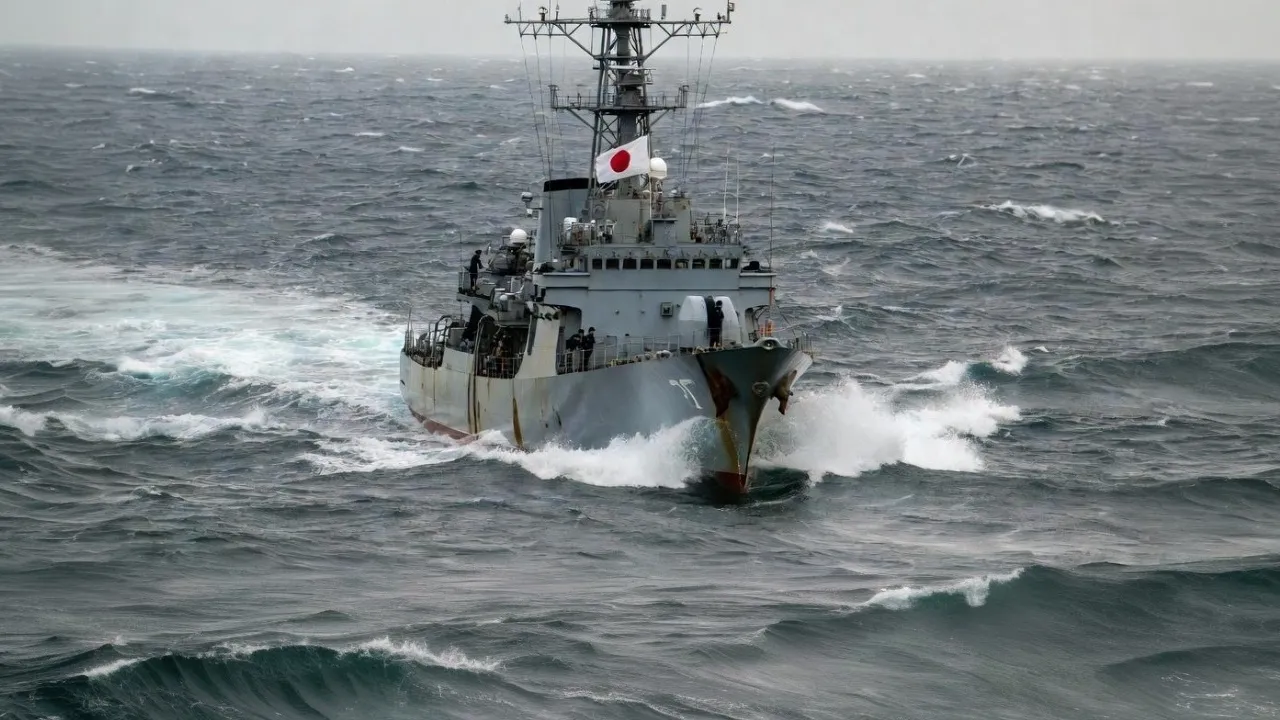
Through a Cabinet vote, Japan has authorized the export of lethal weapons to seventeen partner countries, including the United States, the United Kingdom, Australia and several Southeast Asian states. The measure clears the way for the sale of warships, missiles and combat drones to countries previously excluded from such transfers. All parties agree on one point: this is the most significant shift in Japanese defense policy since 1945.
The decision is part of a broader trajectory. It extends a course accelerated by Prime Minister Takaichi, who has already tripled the defense budget and raised the possibility of involvement in a crisis over Taiwan. For eight decades, strict controls on arms exports had served as a marker of Japan's postwar pacifism.
The scope of the reform is read in opposing ways. Several governments see it as a strengthening of regional security and a sharing of the burden among allies. Others condemn what they describe as a militarist drift and a driver of escalation. Tokyo, for its part, maintains that the reform remains defensive and that its pacifist principles are intact.
Several uncertainties remain. The possibility that the measure could eventually facilitate arms deliveries to Ukraine is raised in only part of the coverage. Also open are questions about domestic opposition within Japan, the risks of proliferation, and a possible future expansion of the list of authorized countries.