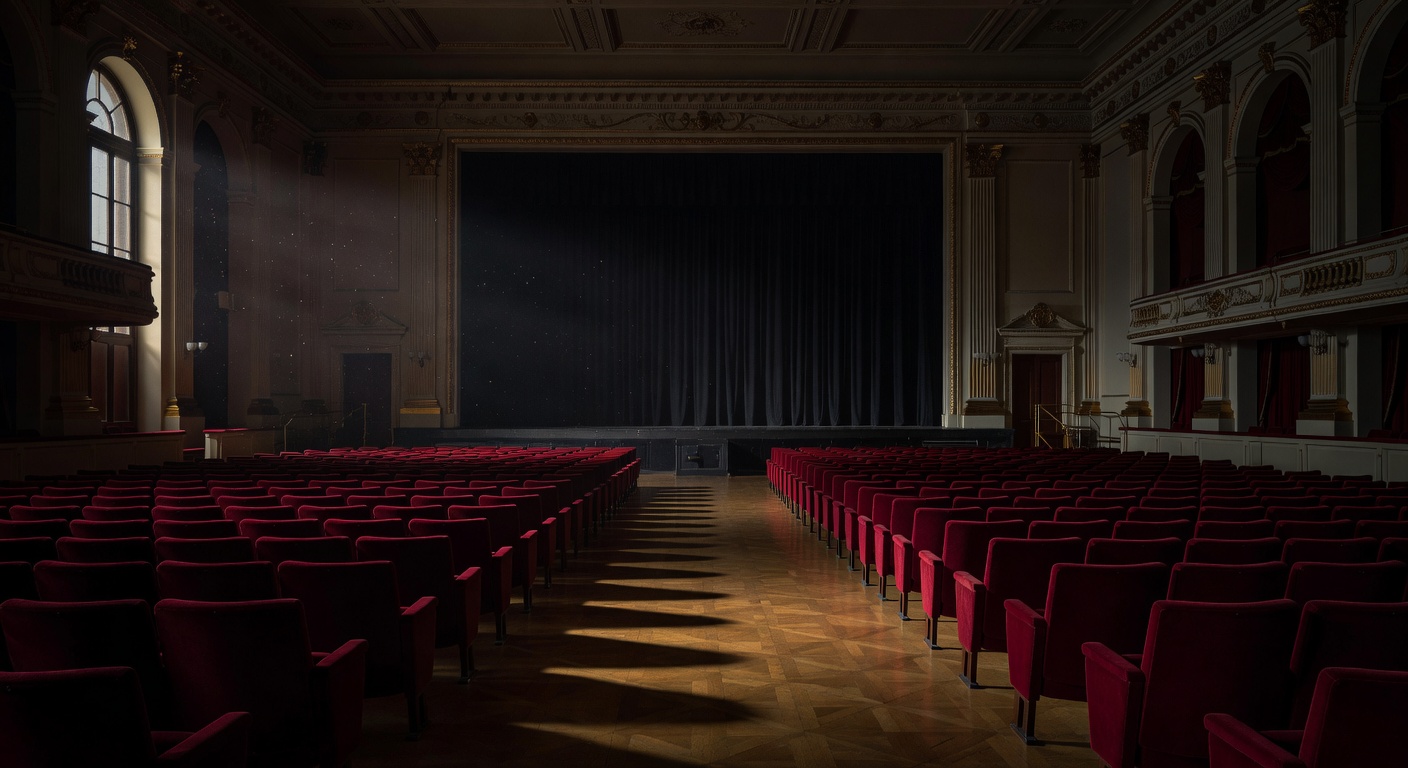
On 31 May 2026, a US federal judge ordered Donald Trump's name removed from Washington's Kennedy Center for the Performing Arts and blocked the restructuring plan pushed by the administration. The judge based the ruling on the principle that only Congress, which created the institution by law, can change its name. The case followed challenges filed by arts organizations and former administrators.
In the same context, five of the nine artists initially announced for the celebrations of the 250th anniversary of American independence (Freedom 250) withdrew, citing the politicization of the event. After the ruling, Donald Trump announced he would step back from overseeing the institution and proposed transferring its control to Congress, a notable retreat from his earlier position.
The case fits within a broader sequence of friction between the executive and the federal judiciary, already marked by injunctions on immigration, independent agencies and trade policy. It comes as the Supreme Court is due to issue decisive rulings in June on birthright citizenship and presidential prerogatives, amid constitutional uncertainty.
Readings of the event diverge sharply. Some actors see proof that constitutional checks and balances are holding against executive pressure; others interpret it as the sign of a costly and slow system, or raise the question of the legitimacy of unelected judges facing a power that emerged from the ballot. Several observers compare the case to their own internal tensions.
The most uncertain point remains the enforcement of the decision itself: the administration challenged the judge's legitimacy and did not commit to applying the order, which many observers identify as the real test for the continuity of legal norms.