Nobel Prize in Physics: Belgian-born Francis Halzen honoured for IceCube and neutrinos from the cosmos
published on
countries
sources
articles
More divergent than 46% of recent comparable stories (reference: 90 recent stories measured with the same method).
the same fact, two accounts
this subject is more divergent than 46% of recent comparable stories
 United States
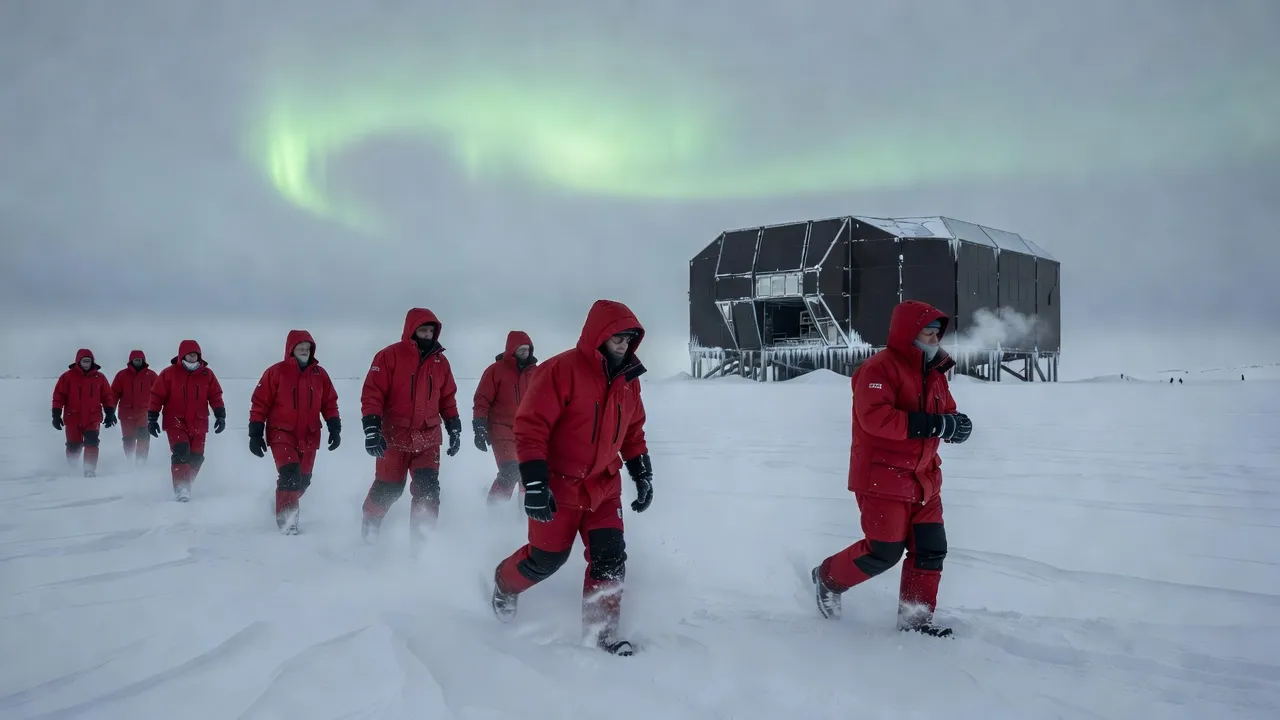
The United States recounts the Nobel of Francis Halzen in layman's terms: "ghost particles" that pass through our bodies, captured in Antarctic ice by a detector controlled from Wisconsin.
What each one tells
opposition Belgium
Brussels is claiming this Nobel Prize as one of its own: the press is emphasizing Tienen, KU Leuven, and cycling, while also noting a career made abroad.
- United States
Simplistic
the narrative puts the image of "ghost particles" passing through the body front and centre, before the scientific results.
Relying on a single source
the three articles reiterate the Associated Press dispatch, with no other voices except the Nobel Committee and the laureate.
What the account puts first
BelgiumNational
the narrative highlights the Belgian origin of the winner, despite an American career.
- United States
this perspective does not carry this information
What it leans on
Belgium onlyBelgiumReliance on the Nobel committee
the DH reproduces the formulation of the Academy and the explanation of UCLouvain, without external voices.
and the figures
this press does not report this figure
Awarding of the 2026 Nobel Prize in Physics
millions of Swedish crowns
this press does not report this figure