New US strikes near Hormuz: four killed at a wedding, Tehran retaliates into the Gulf
published on
countries
sources
articles
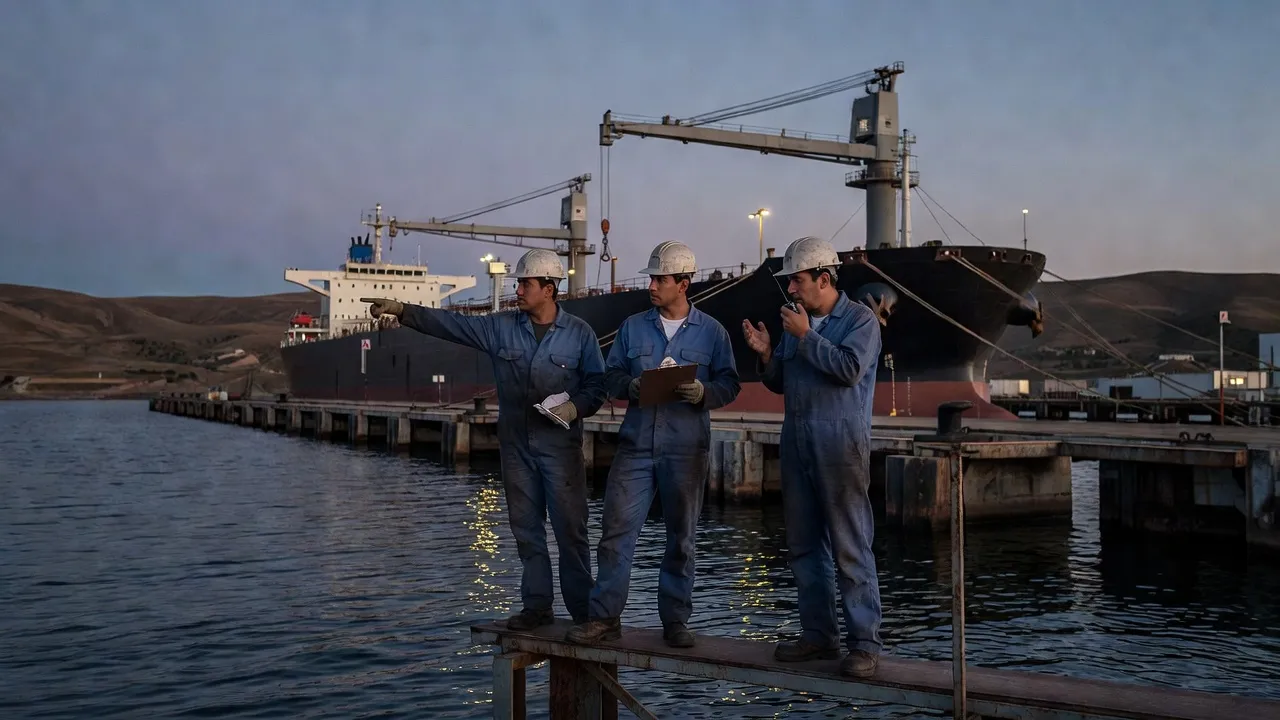
The United States carried out new strikes against Iran in the night of September 1 to 2, 2026, targeting military sites and oil tankers around the Strait of Hormuz, with one strike hitting a wedding in Sirik, Hormozgan Province, resulting in fatalities and dozens of injuries, according to Iranian authorities.
The toll from the wedding strike in Sirik has not been stabilized, with Iranian and US sources citing between two and eleven fatalities, depending on the source and time of publication.
Washington struck two Iranian oil tankers in accordance with a new doctrine known as "tanker for tanker".
The Senegal Prosperity, linked to shipowner Sinokor, was hit near the Strait of Hormuz with no Korean sailors on board.
Iran also targeted bases in Jordan, Bahrain, Kuwait, and Iraqi Kurdistan.
Chinese imports of Iranian crude fell from 1.4 million barrels a day in 2025 to 534,000 in August (Kpler/Reuters).
Business Day· outside the analysed corpusKey figures
What the comparison reveals
Common ground and differences in coverage across the media analysed.
What the media report in common
The United States launched a new wave of strikes against Iran around the Strait of Hormuz on September 1 and 2, 2026, targeting Revolutionary Guard and Iranian oil tankers, among other sites.
A US strike hit a wedding reception in Hormozgan Province (Kuhestak/Sirik), resulting in civilian casualties, including a child, and dozens of injured, with the exact number of victims varying according to sources.
Iran retaliated by striking US bases and Gulf countries hosting them, including Jordan, the United Arab Emirates, Bahrain, Kuwait, and Iraq, with partial interceptions reported by several of these countries.
Where media coverage diverges
Civilian Casualty Accountability
Several regional sources attribute the wedding deaths to US airstrikes, while the Pentagon disputes targeting civilians and questions the reliability of the death toll reported by Iranian state television.
Coverage that diverges
Economic or Military Priority
Some media outlets are focusing on the current escalation in terms of stock market fluctuations and oil prices, while others remain centered on the military developments, targets hit, and capabilities engaged on both sides.
Coverage aligned with this reading
Coverage that diverges
US Losses Claimed by Tehran
Iran claims to have inflicted significant losses on US forces during its retaliation, a claim based on an unconfirmed statement from the IRGC that has not been verified by US sources.
Coverage aligned with this reading
Coverage that diverges
This grouping describes the publications analysed, not the position of these countries’ populations or of their governments.
Blind spots
What the coverage of each country leaves aside, while others put it forward.
 South Korea
- civilian death toll from the wedding strike in Kuhestak
 Iran
- impact of the conflict on oil prices and financial markets
 Qatar
- evolution of Brent crude oil prices after the strikes
Understand the context
- JUL 14, 2026US naval blockade around the Strait of Hormuz is reinstated
- SEP 1, 2026The United States launches a new wave of strikes against Iran
- SEP 2, 2026Iran retaliates against US bases in several Gulf countries
How each country reads it
Preview: 3 of 8 media perspectives. Syntheses of the media analysed — not direct quotations. Method & limitations
- Iran
Tehran is gauging the escalation based on the targets hit on both sides, claiming each response as proof that Iran has not backed down in the face of new American strikes.
2 sources · View sources
 United States
The United States claims a methodical strike: the new "tanker for tanker" doctrine aims to punish Tehran, while the Pentagon categorically denies its responsibility in the Kuhestak wedding deaths.
5 sources · View sources
- Qatar
Doha is assessing its exposure to an escalation it did not trigger, as the US Embassy warns its citizens and Iran's retaliation expands to countries hosting American bases in the Gulf.
3 sources · View sources
The full text, country by country
Iran
DOMINANT ANGLE
Tehran is gauging the escalation based on the targets hit on both sides, claiming each response as proof that Iran has not backed down in the face of new American strikes.
ANALYSIS
Tehran, September 2, 2026.
United States
DOMINANT ANGLE
The United States claims a methodical strike: the new "tanker for tanker" doctrine aims to punish Tehran, while the Pentagon categorically denies its responsibility in the Kuhestak wedding deaths.
ANALYSIS
Washington, September 2, 2026.
Qatar
DOMINANT ANGLE
Doha is assessing its exposure to an escalation it did not trigger, as the US Embassy warns its citizens and Iran's retaliation expands to countries hosting American bases in the Gulf.
ANALYSIS
Doha, September 2, 2026.
 France
DOMINANT ANGLE
France is gauging the escalation in terms of both dollars and missiles: European gas at its highest since 2023, WTI crude surpassing $90 a barrel, and eurozone inflation at a three-year high are receiving comparable attention in the French press to the human toll of the strike in Kuhestak.
ANALYSIS
Paris, September 2, 2026.
 Australia
DOMINANT ANGLE
Canberra is first gauging the economic shock of the latest US-Iran escalation ahead of the human toll, with the barrel at its highest in two months and the Sydney Stock Exchange trending downward.
ANALYSIS
Canberra, September 2, 2026.
 Pakistan
DOMINANT ANGLE
Islamabad is gauging this new episode primarily in terms of the barrel and Asian markets, before the exchange of strikes itself, a reading that reveals the regional energy dependence and inflation anxiety of the subcontinent.
ANALYSIS
Islamabad, September 2, 2026.
 South Africa
DOMINANT ANGLE
Pretoria estimates the resumption of strikes around Ormuz will be measured first by the barrel, before the toll of casualties
ANALYSIS
Pretoria, September 2, 2026.
South Korea
DOMINANT ANGLE
Seoul first assesses its direct exposure: a tanker linked to the South Korean shipowner Sinokor was targeted near the Strait of Hormuz, before the government confirmed that no South Korean vessel or sailor is affected.
ANALYSIS
Seoul, September 2, 2026.
Explore every perspective on this subject across 8 countries.
Compare viewpoints and see where they diverge.