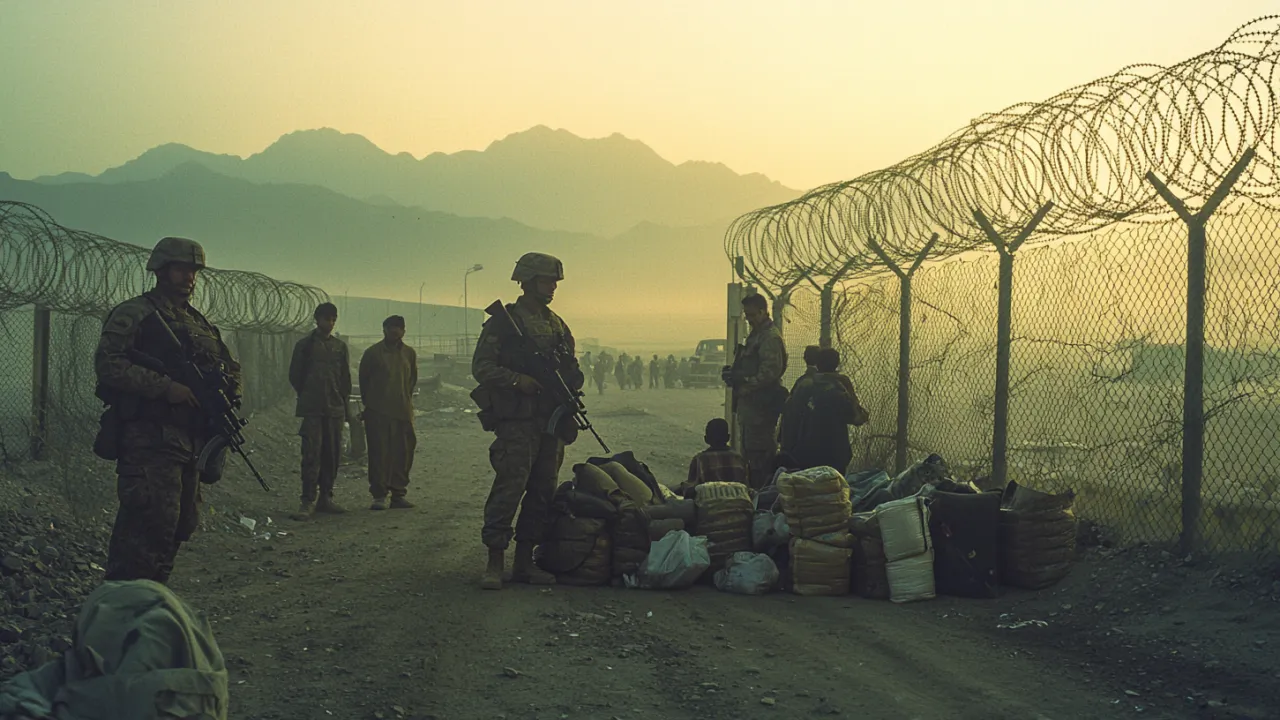
Military friction along the border separating Pakistan and Afghanistan has triggered movements of armed forces and the displacement of civilian populations. The various actors agree on the existence of a major humanitarian crisis affecting these civilians, on the central importance of population and refugee movements, and on the need to restore some form of regional stability in the face of growing border tensions.
This conflict unfolds amid a reshaping of regional alliances following the American withdrawal from Afghanistan. Several readings coexist regarding the consequences of that withdrawal on the current instability. On the diplomatic front, Pakistan operates within a delicate balance between its historical ties to the United States and its closeness to the Muslim world, emphasizing legal and humanitarian approaches rather than direct confrontation.
A rapprochement is taking shape in parallel between Islamabad and Moscow. This convergence favors a logic of state sovereignty and regional stability, accompanied by a tacit legitimation of military actions presented as defensive, without frontal criticism of Western powers.
Several points remain disputed. The legal legitimacy and proportionality of Pakistan's military response are assessed in opposing ways. The role and responsibility of the United States in the sequence of events are also evaluated divergently. Depending on the actor, emphasis falls either on the humanitarian dimension and civilian suffering, or on geostrategic stakes and balances of power, with these two frameworks illuminating different facets of the same crisis.