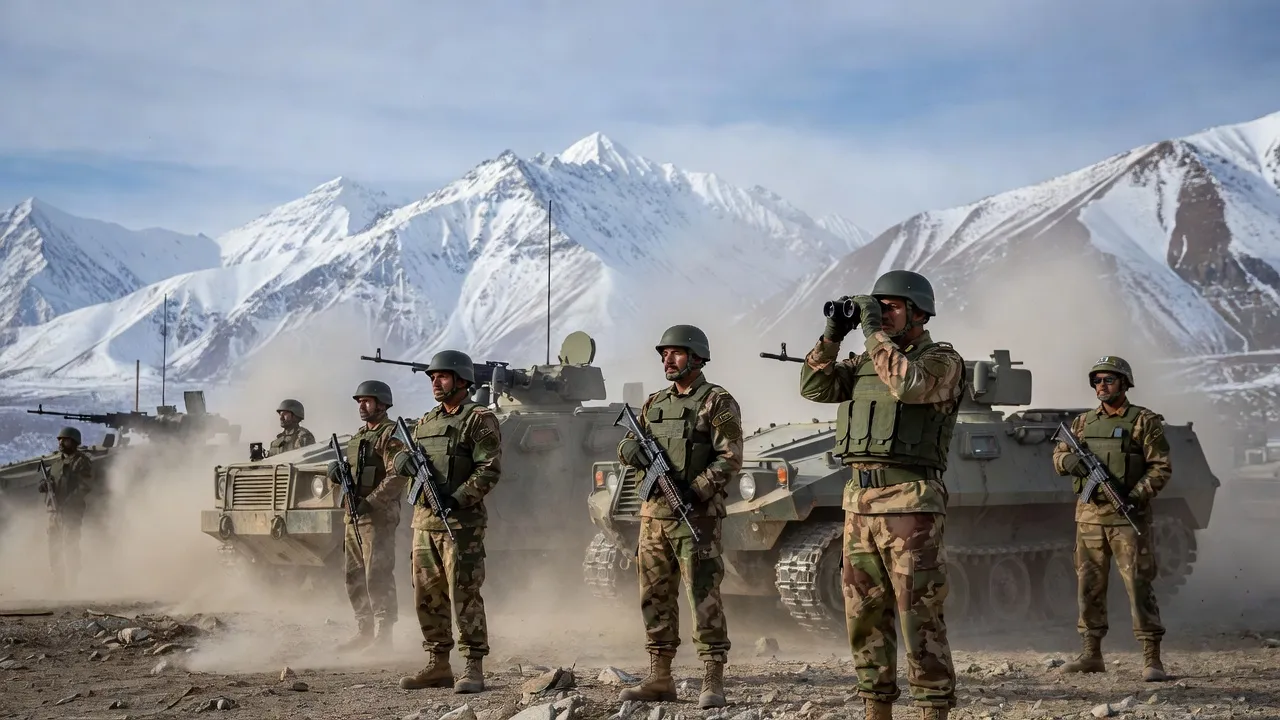
On the night of 28 to 29 June 2026, Pakistan carried out a combined ground and air operation in the Afghan provinces of Paktia, Paktika and Kunar. The action followed an attack in Karachi targeting the headquarters of the Pakistani Rangers, which killed three members of the security forces. The attack was claimed by Jamaat-ul-Ahrar, a splinter faction of the TTP, and one of the assailants, captured while wounded, was identified as an Afghan national.
These strikes extend a cycle of cross-border violence that has worsened since the 2021 American withdrawal. The TTP, an organisation distinct from the authorities in power in Kabul but maintaining ties with them, has for years carried out attacks on Pakistani soil from bases presumed to be in Afghanistan. The 2,600 km border inherited from the colonial Durand Line, never officially recognised by Kabul, has fuelled friction since 1947, and mediation efforts led by Saudi Arabia, Qatar and Turkey have produced no lasting stabilisation.
The casualty figures announced diverge sharply: Islamabad reports 29 militants killed, while the Afghan authorities count 36 civilians dead and more than 160 wounded. An allegation of a double strike targeting rescuers gathered at a first site hit is circulating but could not be confirmed. With independent access to these remote areas impossible, none of these figures has been verified.
Other lines of disagreement persist. Islamabad portrays the group behind the attack as a relay for Indian interests, an accusation that New Delhi rejects as baseless. The legitimacy and proportionality of strikes on Afghan territory are also contested: some actors see a necessary counterterrorism response, others a breach of sovereignty warranting an investigation under international humanitarian law.