Common ground and differences in coverage across the media analysed.
The Russian FSB has charged Pavel Durov with complicity in terrorist activity (Article 205.1-1.1 of the Russian Criminal Code) and placed him on an international wanted list.
Moscow accuses Telegram of allowing a dating chatbot ('Daivinchik'/'Leo Match Bot') to be used for recruiting young Russians for acts of sabotage attributed to Ukraine, with dozens of teenagers arrested since July 2025.
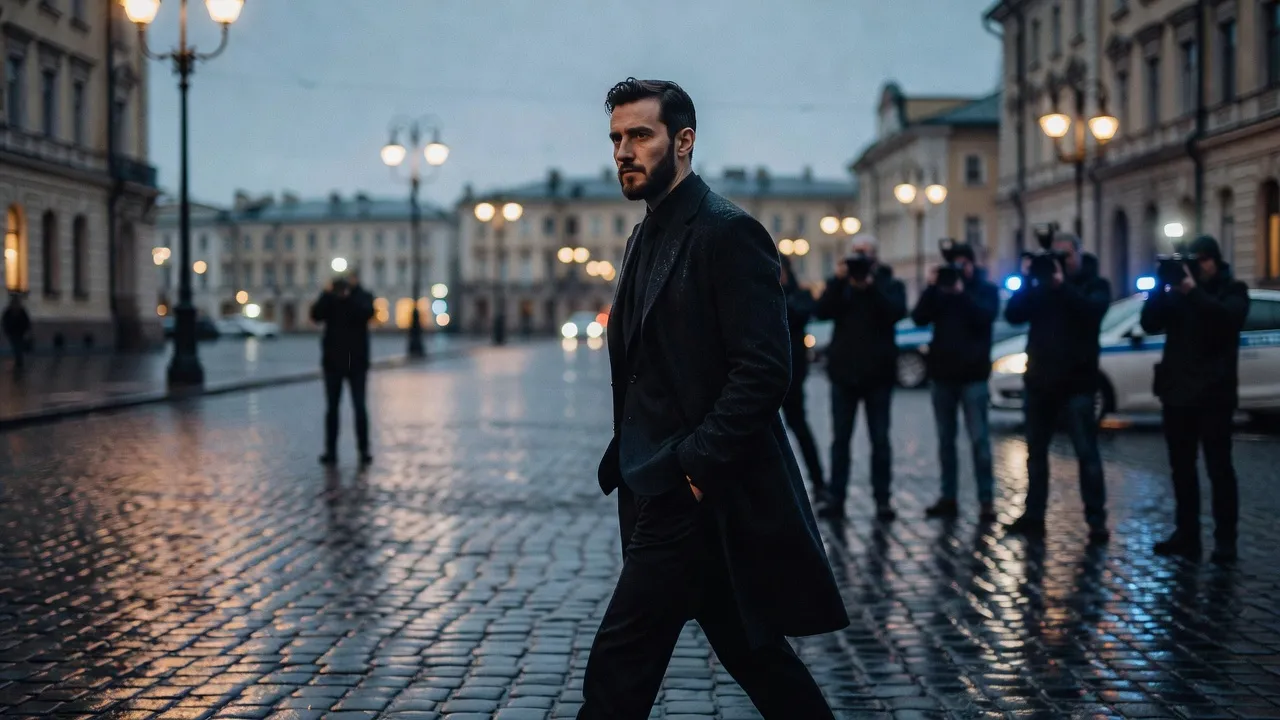
Durov publicly responded to the FSB's announcement with an image of himself making an obscene gesture, without offering official commentary on the substance of the accusations.
Russian state media and some international outlets relay the FSB's counter-terrorism narrative without questioning it, while German and American press interpret it as a Kremlin move to regain control of Telegram.
Coverage aligned with this reading
Coverage that diverges
Australia treats the matter as a structural failure in Telegram's content moderation as a platform, while France and the United States read it primarily as the personal targeting of Durov, already prosecuted in France.
Coverage aligned with this reading
Coverage that diverges
Independent Russian press in exile (relayed in the Russian perspective) notes a numerical discrepancy between official agencies (46 recruits according to the FSB, 19 according to the Investigative Committee), an inconsistency not picked up by other perspectives, which cite the FSB figure without questioning it.
Coverage aligned with this reading
Coverage that diverges
This grouping describes the publications analysed, not the position of these countries’ populations or of their governments.
What the coverage of each country leaves aside, while others put it forward.
France
Australia
Bangladesh
Preview: 3 of 6 media perspectives. Syntheses of the media analysed — not direct quotations. Method & limitations
Canberra examines Telegram's failure to address terrorist content, opening a distinct domestic legal front separate from Russia's case against Pavel Durov.
4 sources · View sources
Dhaka reads the standoff between Moscow and Telegram's founder as a window into escalating tensions between state sovereignty and transnational digital platforms.
2 sources · View sources
Berlin reads the FSB charges against Durov as a Kremlin pressure tactic against Telegram, rather than a genuine counterterrorism operation.
3 sources · View sources
DOMINANT ANGLE
Canberra examines Telegram's failure to address terrorist content, opening a distinct domestic legal front separate from Russia's case against Pavel Durov.
ANALYSIS
Canberra, July 30, 2026.
DOMINANT ANGLE
Dhaka reads the standoff between Moscow and Telegram's founder as a window into escalating tensions between state sovereignty and transnational digital platforms.
ANALYSIS
Dhaka, July 30, 2026.
DOMINANT ANGLE
Berlin reads the FSB charges against Durov as a Kremlin pressure tactic against Telegram, rather than a genuine counterterrorism operation.
ANALYSIS
Berlin, July 30, 2026.
DOMINANT ANGLE
Paris weighs the implications of a Russian arrest warrant targeting a French citizen already under domestic judicial proceedings
ANALYSIS
Paris, July 30, 2026.
DOMINANT ANGLE
Moscow officially pursues the Durov case, but independent Russian media in exile already documents gaps in the FSB's narrative.
ANALYSIS
Moscow, July 30, 2026.
DOMINANT ANGLE
Washington reads Durov's indictment as the Kremlin's latest gambit to seize control of the internet, while questioning the legal foundation underlying the charges.
ANALYSIS
Washington, July 30, 2026.
Explore every perspective on this subject across 6 countries.
Compare viewpoints and see where they diverge.
published on
countries
sources
articles
gap
Russia's Federal Security Service (FSB) announced on Wednesday, July 29, that it had charged Telegram founder Pavel Durov with 'aiding terrorist activity' and placed his name on an international wanted list. Moscow accuses the messaging app of letting Ukrainian services use a dating chatbot to recruit young Russians for acts of sabotage. Durov, a naturalized French citizen since 2021, has remained under judicial supervision in France since his arrest at Le Bourget in August 2024 and responded to the announcement with a photo of himself raising his middle finger. The same day, Australia launched a separate legal action against Telegram for failing to remove terrorist content.
Measured with the previous method (distance between texts), on a different scale.