
GERMANY
1 source
Single source
Stasi ghost: Russian blackout seen by a country marked by state surveillanceDominant angle identified — does not reflect unanimity of this country’s media
EXPLORE THIS STORY
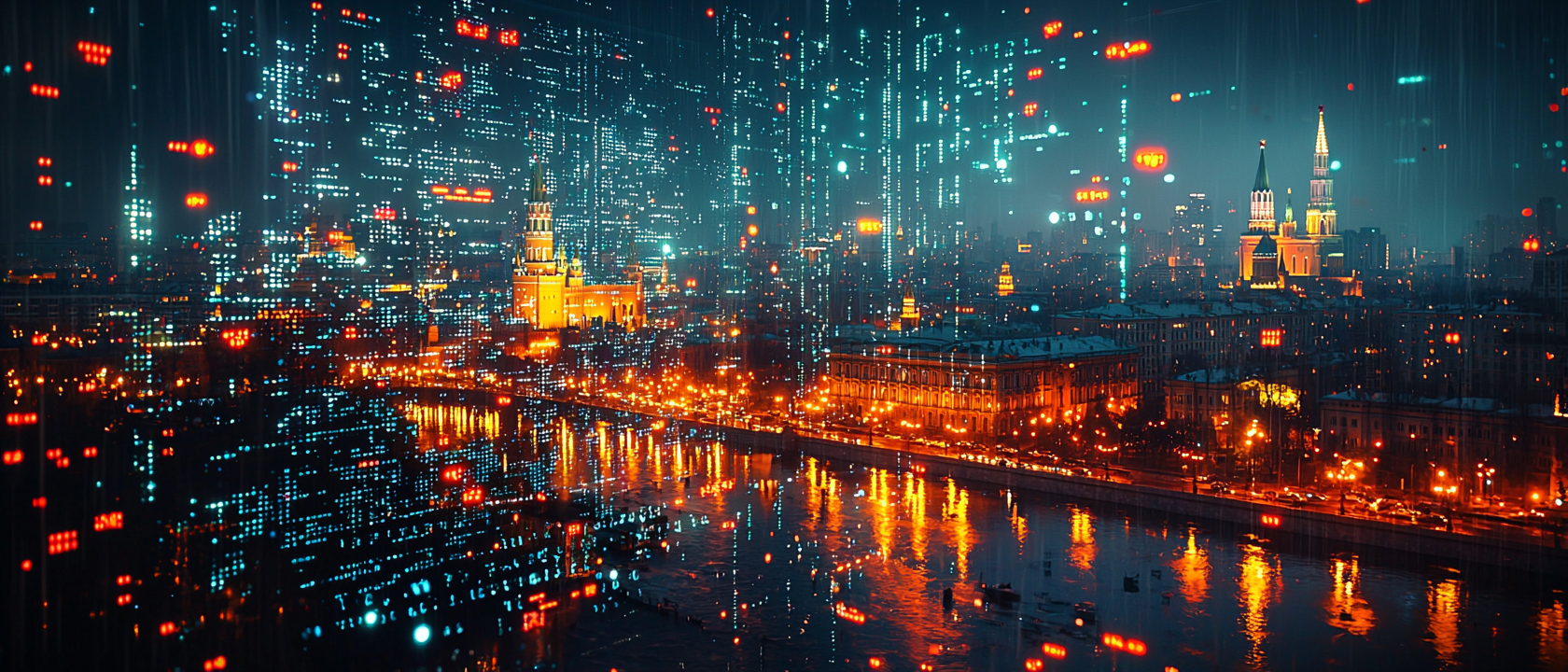
Since early March, Moscow has suffered massive mobile internet outages affecting all four major carriers. The Kremlin justifies the blackouts with the Ukrainian drone threat, but analysts see an acceleration of digital control. Economic losses exceed $38-63 million in five days, while a February 2026 law gives the FSB power to cut communications nationwide.
Since the beginning of March 2026, Moscow has experienced massive mobile internet outages affecting all four major operators at once. Over five days, the economic losses tied to these interruptions have been estimated at between 38 and 63 million dollars. A law passed in February 2026 accompanies this shift: it grants the security services unprecedented power over digital communications, institutionalizing the ability to cut networks at a national scale.
The stated justification for the outages rests on a drone threat, presented as a security rationale. This explanation is disputed by a large share of analysts, who instead see an acceleration of control over the digital space. The disagreement also concerns the very nature of the measure: some actors defend a state's right to regulate its national internet, while others denounce an infringement on freedoms.
The episode is part of a broader trend of fragmentation of the global internet, often called the splinternet, in which three approaches coexist: an open but increasingly regulated model, a permanent and discreet control model, and a model of abrupt outages during crises. The February 2026 law marks a turning point by making this blackout power lasting rather than circumstantial. The moment is also shaped by a war that has lasted four years and by a striking technological contrast, with some countries developing 6G while others suspend 4G.
Several grey areas remain. The real cost for businesses and residents, the impact on daily life, and the possible link between outages and the management of public order are assessed in differing ways, or left unmentioned depending on the actor. Those actors also diverge on the significance of the event: a direct and worrying threat for some, a downplayed matter for others. The uncertainty therefore lies less in the material facts, which are widely observed, than in their interpretation and their long-term consequences.

« Uncomfortable non-alignment: India can neither condemn Russia nor ignore the subject »

« NATO-Russia ambivalence: Turkey spares Moscow while attracting its tech talent »
More divergent than 98% of analyzed stories. Comparable to: Twin Earthquakes Hit Venezuela: Caracas Crumbles as the Toll Climbs (52).






