
Common ground and differences in coverage across the media analysed.
L'attaque contre la raffinerie de Ras Tanura représente une escalade significative des tensions régionales
La situation nécessite une réponse diplomatique coordonnée pour éviter une military escalation
L'impact sur la sécurité énergétique régionale est une préoccupation majeure
Divergence sur l'attribution directe de la responsabilité à l'Iran versus une approche plus nuancée sur les dynamiques internes iraniennes
Coverage aligned with this reading
Coverage that diverges
Valorisation du rôle de médiation nationale versus analyse distanciée des dynamiques diplomatiques
Coverage aligned with this reading
Coverage that diverges
This grouping describes the publications analysed, not the position of these countries’ populations or of their governments.
What the coverage of each country leaves aside, while others put it forward.
United Kingdom
Pakistan
Preview: 2 of 2 media perspectives. Syntheses of the media analysed — not direct quotations. Method & limitations
Nuanced diplomatic analysis of internal Iranian tensions and regional pressures
1 source · View sources
Pakistan as regional mediator between alliance obligations and geopolitical balance
1 source · View sources
DOMINANT ANGLE
Nuanced diplomatic analysis of internal Iranian tensions and regional pressures
ANALYSIS
British coverage of this crisis reveals a sophisticated analytical approach typical of Guardian journalism, favoring a nuanced geopolitical reading rather than a simple recounting of facts.
DOMINANT ANGLE
Pakistan as regional mediator between alliance obligations and geopolitical balance
ANALYSIS
Pakistani media coverage reveals a nuanced geopolitical perspective, centered on the regional mediator role that Islamabad attributes to itself.
Explore every perspective on this subject across 2 countries.
Compare viewpoints and see where they diverge.
published on
countries
sources
articles
gap
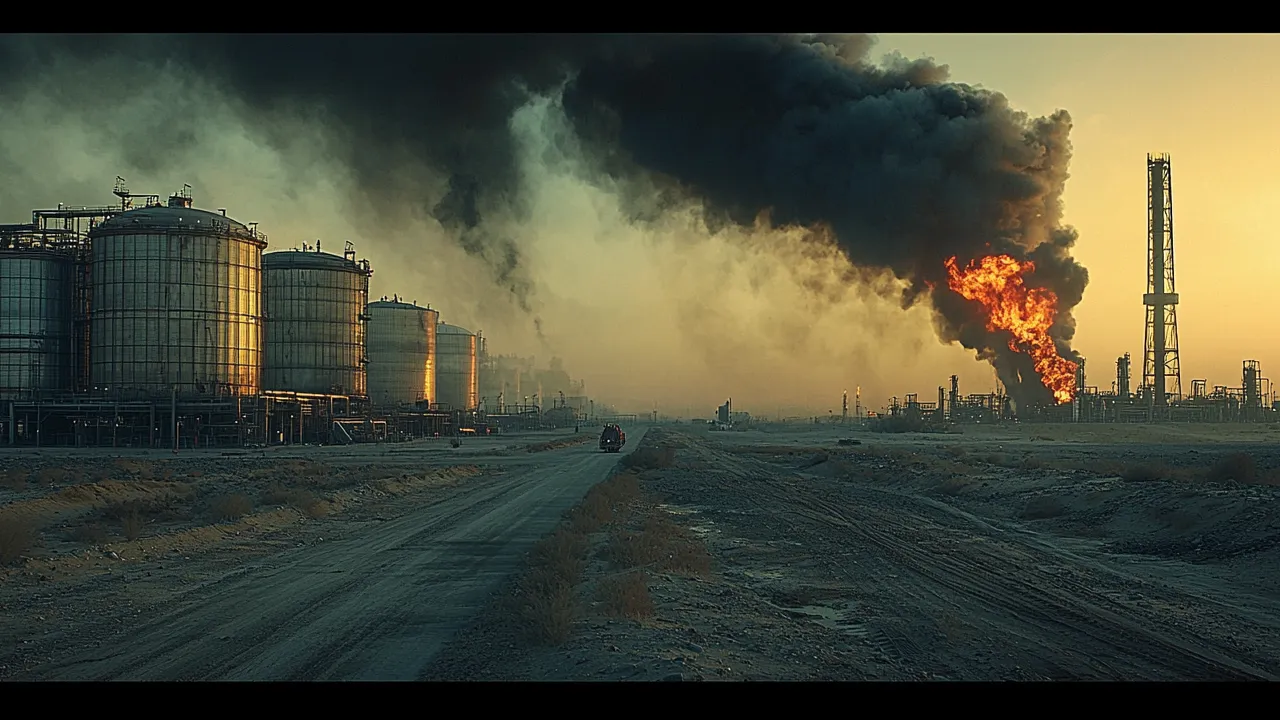
A drone strike targeted the Ras Tanura refinery in Saudi Arabia, one of the largest oil-processing facilities in the world. The event is widely described as a significant escalation of tensions in a region that is strategic for global energy supply.
The central concern is energy security. A strike against infrastructure of this scale raises questions about the stability of oil flows and the risk of a military spiral. Several actors are calling for a coordinated diplomatic response to prevent the conflict from intensifying.
The regional backdrop is shaped by long-standing balances of power. How responsibility is attributed and how Iran's role is read reflect distinct geostrategic positions, with each actor weighing its alliances against its own interests, and some presenting themselves as regional mediators.
Several points remain disputed. Some actors emphasize Iran's direct responsibility, while others favor a more nuanced reading of internal Iranian dynamics and regional pressures. The role of mediation efforts and the scale of the economic and energy consequences are also assessed differently depending on the standpoint. At this stage, the precise identity of those behind the attack and the true extent of the damage remain contested.
Measured with the previous method (distance between texts), on a different scale.