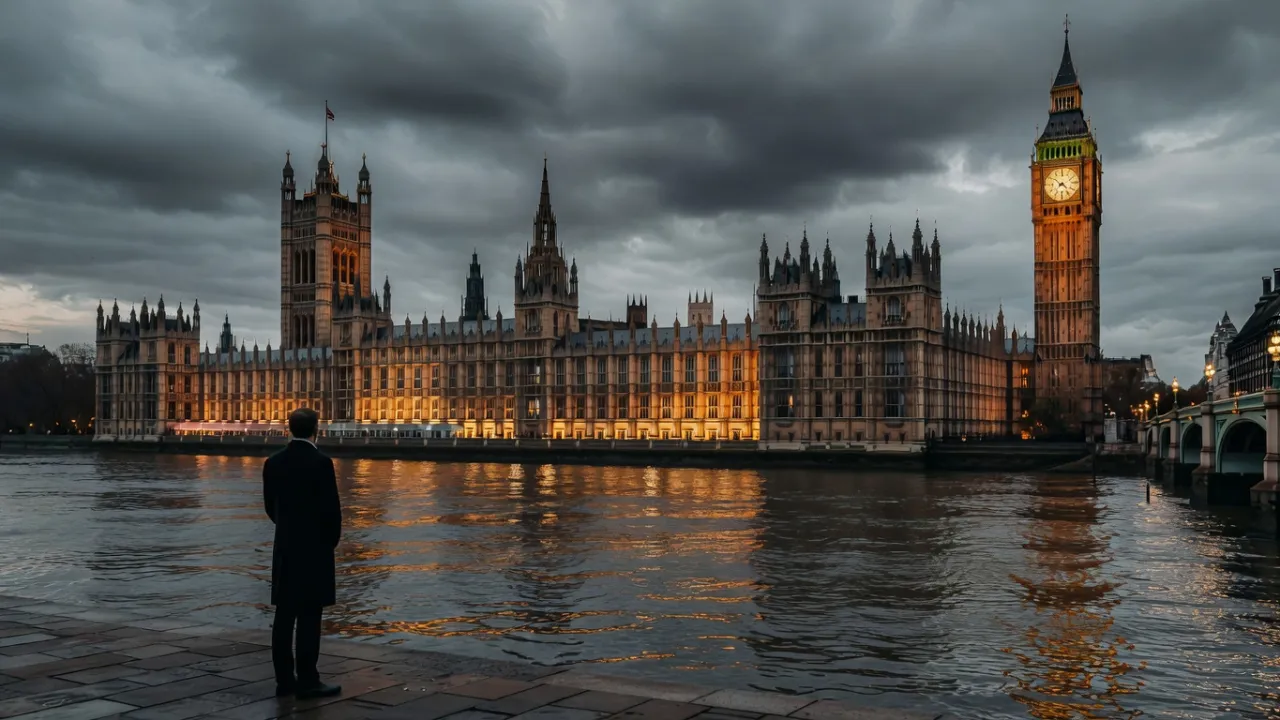
On 13 May 2026, the King's Speech was meant to open a new chapter for Keir Starmer's government. It took place amid an open leadership crisis: several Labour ministers had resigned, while more than a hundred of the party's MPs publicly backed the Prime Minister, a sign of internal pressure that had grown very intense. Starmer refused to step down and held his course during the ceremony, citing his governing mandate.
Several observers drew a comparison with Joe Biden, a leader who held on under pressure before eventually withdrawing. That parallel serves as a frame for questioning how long Starmer can resist.
The episode goes beyond a mere internal quarrel. It fits within a series of difficulties faced by centre-left executives, after Biden's troubles in the United States, the defeat of Justin Trudeau's Liberal Party in Canada and turbulence in Germany. In the background lies the question of whether the moderate left can govern amid austerity, migration tensions and a reshaping of political identities.
The reading of the crisis remains disputed. Some actors see it as an internal, personal management crisis centred on the Prime Minister's political survival; others read it as a symptom of structural fragility in the post-Brexit British system, or as the result of the party drifting toward the centre. The speech's legislative content, including a move toward closer ties with the European Union, was emphasised more by some than by others, who focused on the leadership battle alone.