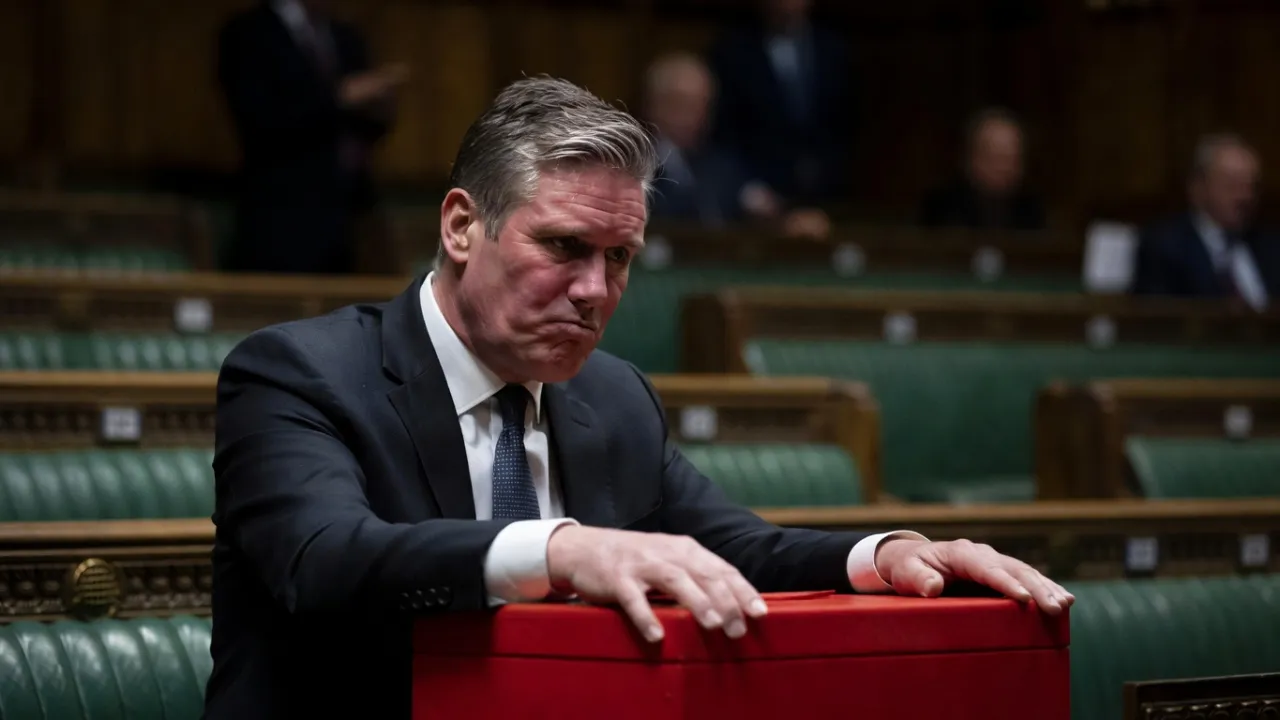
The UK local elections of 9 May ended in a defeat of historic severity for Labour, which lost strongholds it had held for decades, including Doncaster. In the immediate aftermath, more than seventy of its own MPs publicly called for Keir Starmer to step down. The Prime Minister flatly refuses to resign and is trying to regain the initiative.
His main political response is the announcement of closer ties with the European Union, presented as a strategic repositioning of the United Kingdom — raised in particular through a possible defence agreement or a customs union. This direction answers a demand from part of the urban, educated electorate, yet it comes as former voters in industrial regions turn toward Reform UK, led by Nigel Farage, and toward parties further to the left.
The crisis fits within a broader weakening of centre-left parties across Western Europe, comparable to setbacks faced by equivalent movements in France and Germany. The rebellion of more than seventy elected members is, internally, the gravest signal in several years.
Several points remain disputed. Some actors believe the crisis could prove fatal to Starmer in the medium term, while others see it mainly as a symptom of a structural fragility in Britain's two-party system, regardless of his person. The European rapprochement is read alternately as a deliberate turning point or as a short-term calculation with no guarantee of success. Debate also remains open over responsibility for the defeat, attributed by some to the leader and by others to the rise of Reform UK. In the short term, the first-past-the-post system and the absence of a formal confidence vote make removal difficult.