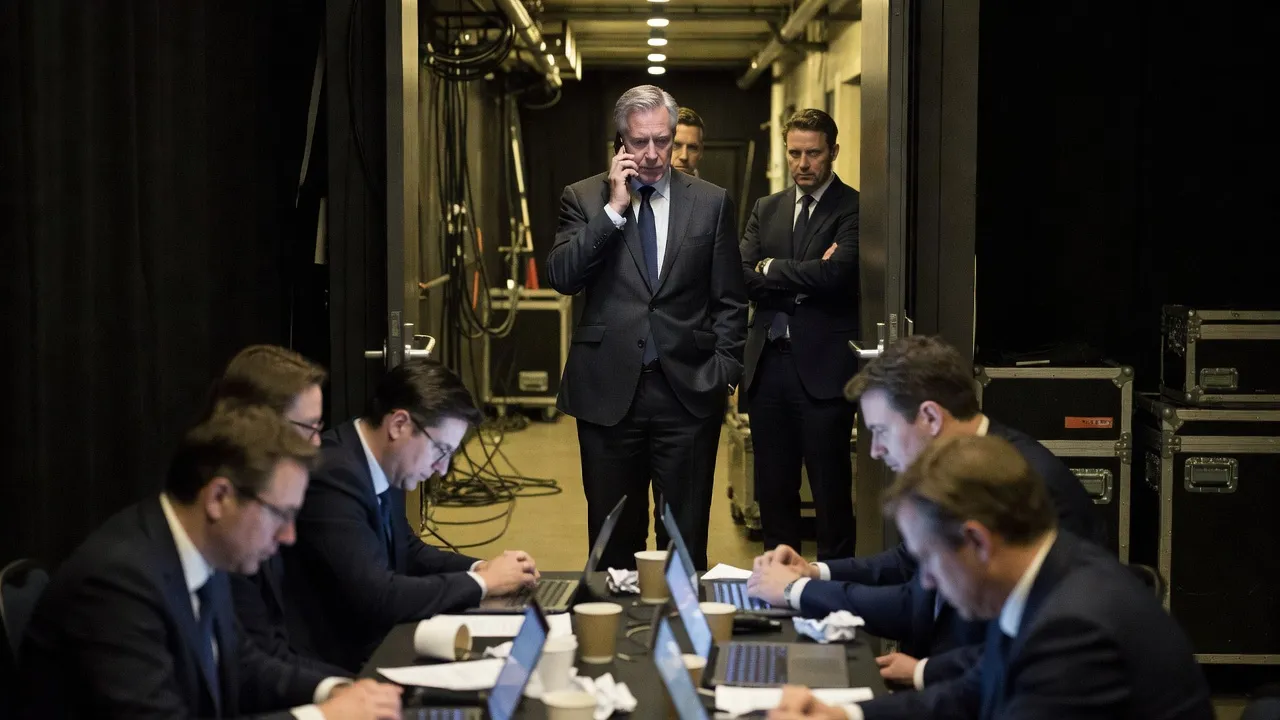
Swedish election: the left-wing opposition edges ahead of the outgoing majority as the far right falls back for the first time
the same fact, two accounts
this subject is more divergent than 68% of the subjects analysed
 Spain
SpainMadrid is deciphering the Swedish election as a reflection of its own fragmented balances, where a three-seat difference and indispensable minority allies are reminiscent of the coalition negotiations that Spain is familiar with.
What each one tells
same framing Canada
Ottawa sees in this Swedish result a rare setback for the populist wave, an election that the Canadian press explicitly links to its own debate on immigration and the rise of the far right.
- Spain
Spectacular framing of the vote count
a separate article devotes most of its discussion to how the public channel broadcast the announcement of the polls, Eurovision-style, rather than the stakes of the upcoming coalition.
Discrepancy between estimate and vote count
a dispatch based on exit polls announces an opposition lead of more than four points, without recalling the margin of error inherent in this type of survey.
What the account puts first
CanadaCanada-centred
the coverage links the Swedish election to a domestic Canadian debate on the rise of populism rather than focusing on the Swedish parliamentary dynamics.
- Spain
Coverage stopped at raw results
the narrative ends with the score of the winning party, without detailing the coalition negotiations that are opening up between the opposition allies.
What it leaves out
Spain onlyCanadathis perspective does not carry this information
- Spain
this perspective does not carry this information
What it leans on
Canada onlyCanadaReliance on a government voice
the only direct quote reported comes from a minister of the outgoing Prime Minister's party, without a symmetrical statement attributed to the left-wing bloc.
and the figures
176 seats against 173
Seats allocated to the two blocs in the Riksdag
seats out of 349
different figures175 seats against 174
17.6%
Score of the Democrats of Sweden
% of votes
only one reports itthis press does not report this figure