published on
countries
sources
articles
gap
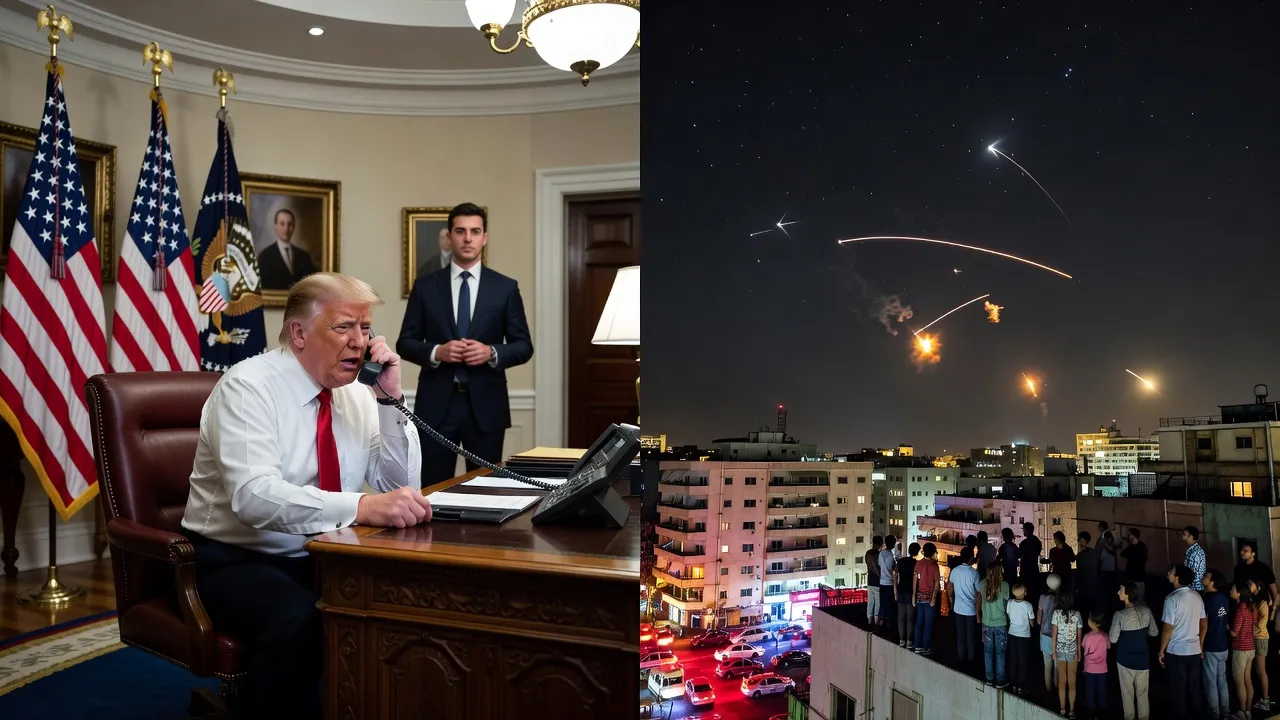
On 7 and 8 June 2026, a fresh exchange of strikes between Iran and Israel broke the ceasefire reached in April, two months after it took effect, reviving fears of a broader resumption of hostilities. Donald Trump then publicly demanded that both sides stop firing immediately and promised a total American victory within two weeks. Despite this direct presidential order, Israel continued its bombardments, exposing an open disagreement between Washington and Tel Aviv.
This sequence comes on the 101st day of a conflict that has already caused thousands of casualties and led to the closure of the Strait of Hormuz for six weeks. The refusal to comply with Trump's demand marks a first under this term: a key ally is conducting its own military operations against the explicit position of the White House. The timing, ahead of the first midterm primaries, is read by many observers as a political signal as much as a diplomatic one.
Several points remain disputed. Actors disagree on the origin of the ceasefire's collapse, some pointing to prior Iranian provocations, others to Israeli strikes in Lebanon. The significance of Israel's defiance is also divisive: some see a strategic turning point, others a weakness or, conversely, proof of the alliance's strength. Finally, the promise of victory within two weeks draws skepticism from those recalling repeated announcements of an imminent deal over the past hundred days, while others treat it as a credible course. The impact on civilian populations, markets and oil remains unevenly covered.
Explore every perspective on this subject across 8 countries.
Compare viewpoints and see where they diverge.







