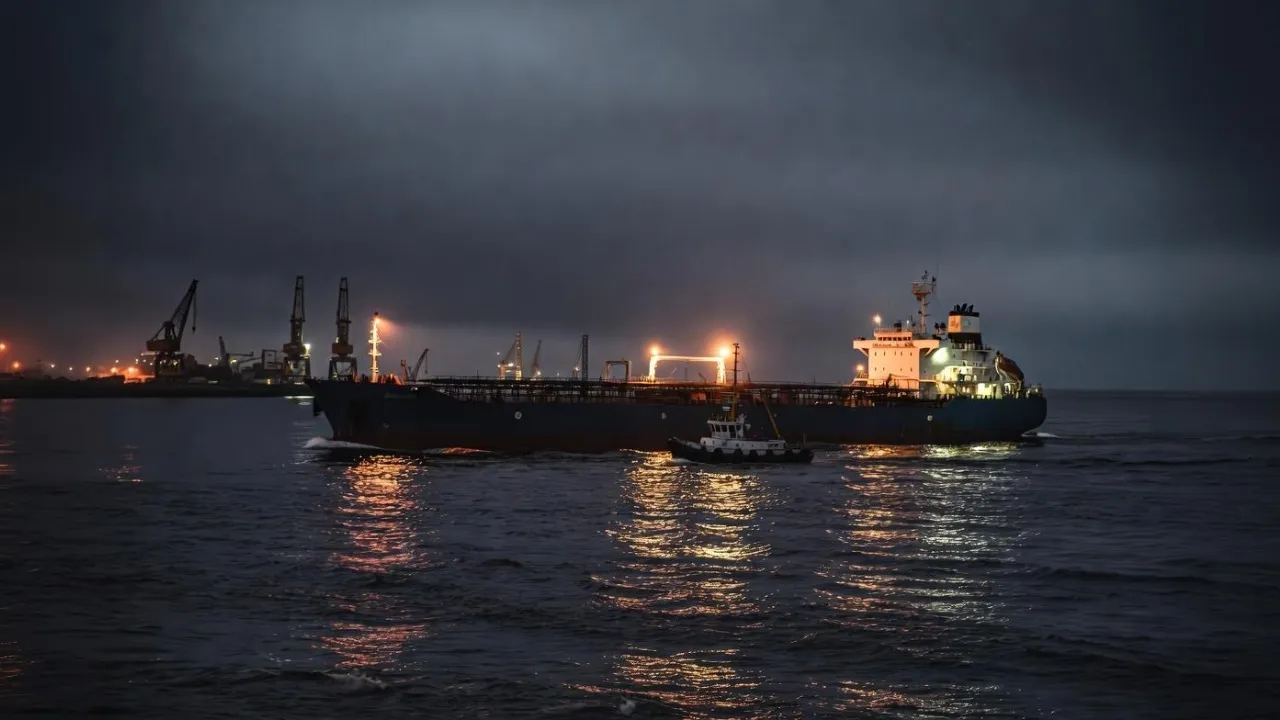
The United States has renewed the waiver that suspends part of the sanctions targeting Russian oil. The move contradicts earlier commitments made at the highest level of the administration, which had suggested that pressure on Moscow would be maintained or even tightened.
At the same time, the U.S. energy official warned that gasoline would stay above 3 dollars a gallon through 2027. The two announcements are connected: keeping fuel prices in check means not cutting off more Russian crude from the global market, which in turn eases the financial squeeze on Moscow.
The trade-off reveals an underlying tension. Washington is trying to punish Russia, stabilize energy prices and support other fronts all at once; these goals conflict, and some of the pressure on Moscow gives way. Ukraine's leadership condemns the measure as something that, in its view, directly funds the Russian war effort, while other actors frame it as economic pragmatism. In parallel, Italy's leader marked a break with the U.S. administration, read by some as a European repositioning and played down by others.
Several areas remain uncertain: the waiver's effect on European countries still importing Russian crude, the weight of India and China as the main buyers, and the internal divisions the decision could deepen. Readings also diverge on the U.S. president's political trajectory, between slipping polls and continued support from parts of the financial world.