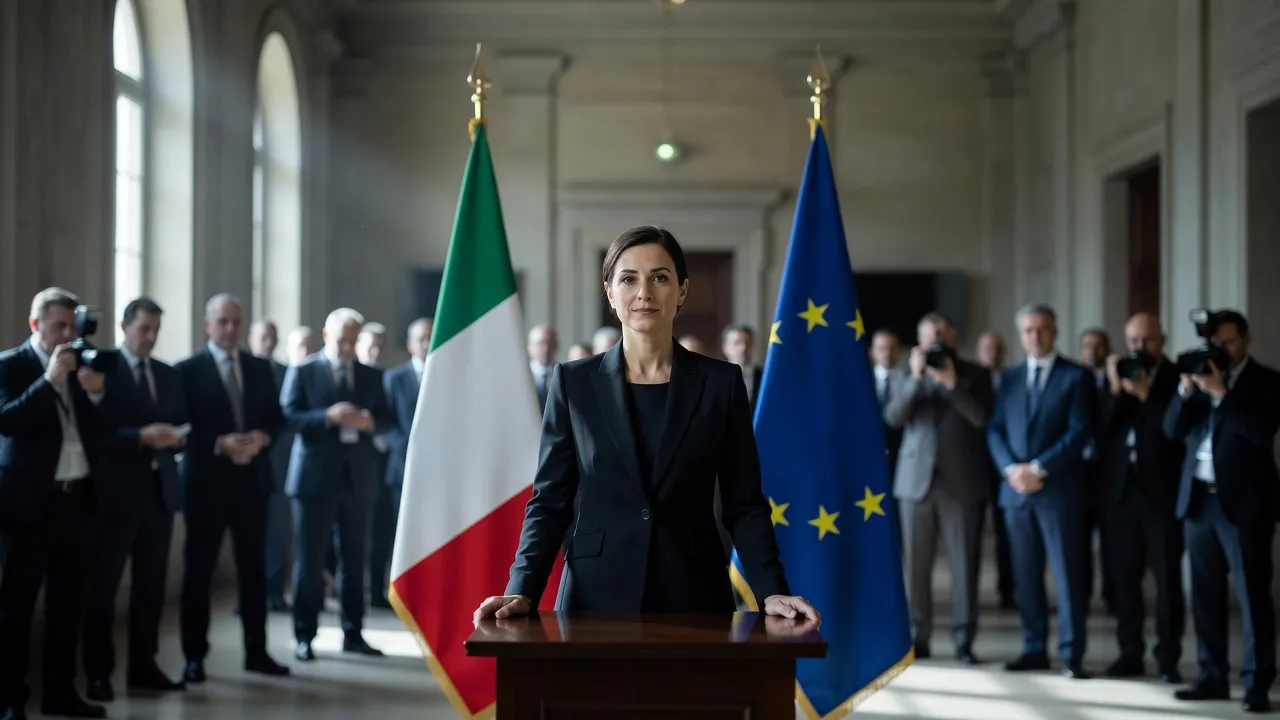
In June 2026, Donald Trump publicly accused Italy of failing to support U.S. military operations against Iran and of denying access to its bases, pointing to the large sums spent on NATO without reciprocity. He also suggested he could withdraw from the Alliance and refuse military aid to allies deemed deficient, while confirming his attendance at the summit planned in Ankara.
Giorgia Meloni initially chose not to respond, before denying the account that she had "begged" him for a photo at the G7, stating that Italy "never begs." Foreign Minister Antonio Tajani cancelled an official visit to Washington, a rare diplomatic gesture. For his part, NATO Secretary General Mark Rutte travelled to the White House to try to ease tensions ahead of the summit, presenting data on rising European defense spending.
The episode is part of a redefinition of transatlantic balances, accelerated by the U.S. intervention against Iran in February 2026, for which several European allies refused access to their bases. In parallel, a six-month review of U.S. deployments in Europe was announced, and the cost of an autonomous defense build-up for the continent was estimated at 500 billion euros.
The reading of Meloni's initial silence remains disputed: some actors see it as a strategic calculation to preserve bilateral ties, others as a refusal to endorse the war in Iran or a move tied to Italy's electoral calendar. Washington's very reliability as an ally, measured by several opinion surveys, and the urgency of European defense autonomy remain at the heart of the disagreements.