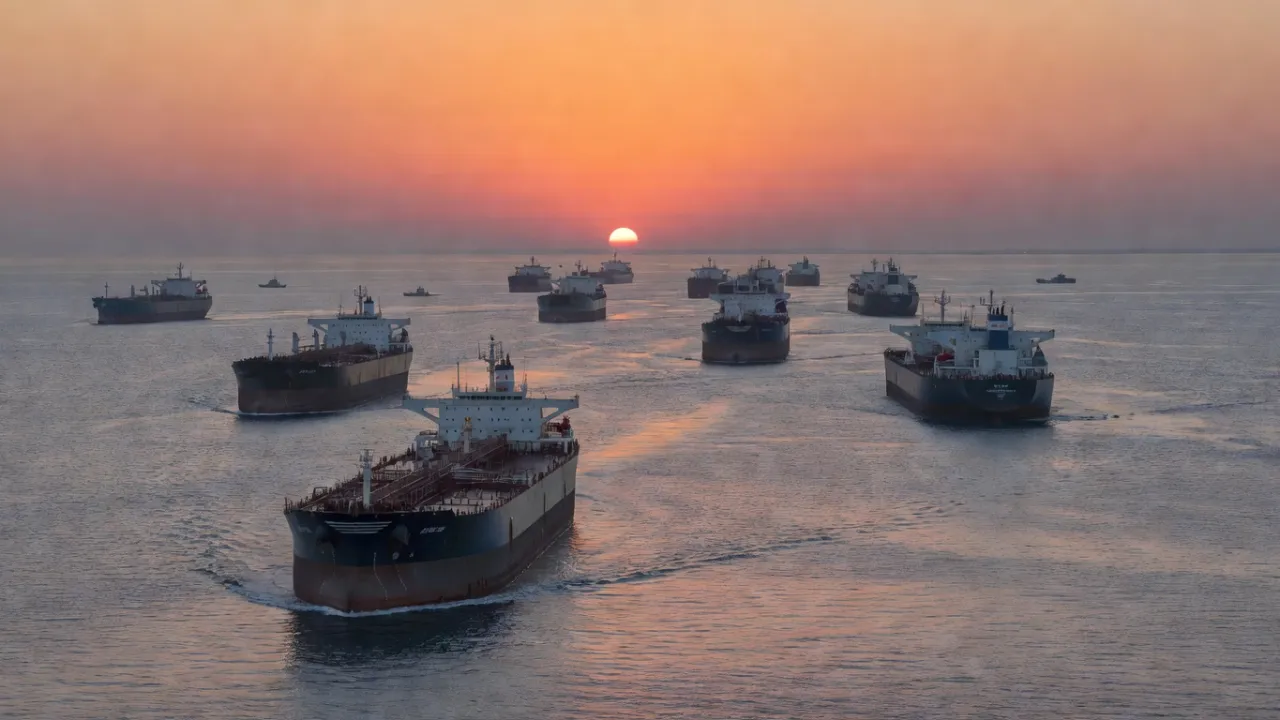
The Strait of Hormuz, which normally carries about 20% of global oil flows, has been closed or under severe restrictions since the U.S.-Israeli strikes on Iran of 28 February 2026. Its closure has accompanied a roughly 50% rise in Brent crude prices since the conflict began, hitting energy-importing economies in Asia and Africa directly.
On 17 May, Donald Trump claimed that Xi Jinping had agreed with him on the need for Iran to reopen the strait. No official confirmation or binding mechanism, however, has been announced on the Chinese side. The same day, the U.S. president issued repeated warnings to Tehran on Truth Social, suggesting that "nothing would be left" of the Iranian capital without a swift deal.
Negotiations between Washington and Tehran remain at a standstill. Washington demands a near-total dismantling of Iran's nuclear program and the transfer of enriched uranium stocks, conditions Tehran deems unacceptable so long as the naval blockade is not lifted and no concrete economic guarantees are provided. Pakistani mediation is cited among the channels of dialogue.
Several uncertainties persist. As the largest buyer of Iranian oil, China maintains an equidistant stance: it reportedly says privately that it does not wish to obstruct U.S. operations, while publicly refraining from any commitment to pressure Iran directly. The real scope of the Xi-Trump understanding is disputed among the actors, some viewing it as a diplomatic step forward, others as a largely symbolic gesture with no concrete follow-through.