Ukraine: Zelensky 'positive', EU 21st sanctions package, Moscow says it received no details
June 10, 2026·6 COUNTRIES
6countries·18sources·18articles
Europe (4)
Russia & CIS (2)
Europe
Russia & CIS
EXPLORE THIS STORY
Context
After addressing an open letter to Vladimir Putin, Volodymyr Zelensky described his exchanges with U.S. envoys Steve Witkoff and Jared Kushner as encouraging. He said he had obtained "the expected result," while keeping the details of those discussions confidential. In parallel, the European Union unveiled its 21st package of sanctions against Russia: for the first time, the measures target the fishing sector, notably Russian cod, and introduce an entry ban aimed at Russian combatants.
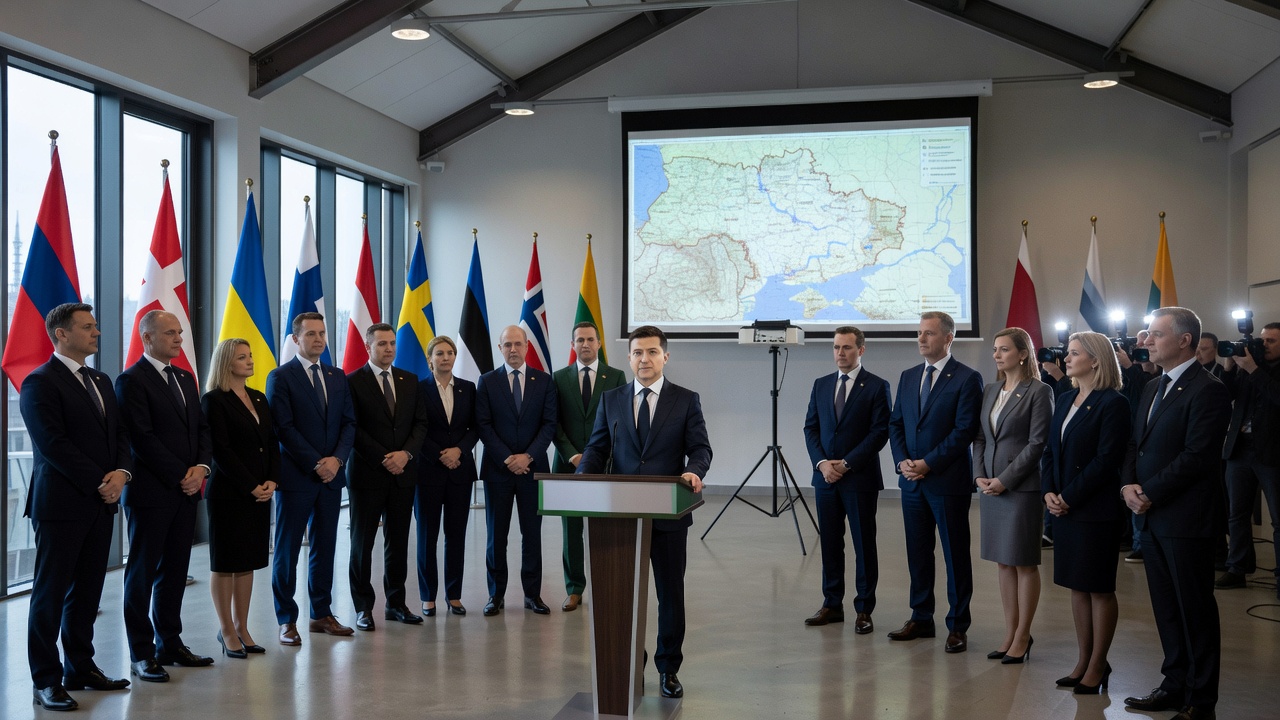
These developments fit into the peace negotiation effort led by the Trump administration since its return to the White House in January 2025. The summit gathering the Nordic and Baltic countries around Zelensky in Tallinn, combined with this new round of sanctions, shows that the European diplomatic front remains active despite the media focus on tensions between Iran and the United States.
The real meaning of these signals remains disputed. The wording chosen by Zelensky is deliberately vague and sustains ambiguity about the state of the talks. Some read it as the start of de-escalation; other actors consider it devoid of concrete substance, recalling that Putin is said to have rejected the Ukrainian proposal.
Moscow, for its part, states that it has not yet received the details of the exchange between Witkoff, Kushner and Zelensky, and stresses its exclusion from the discussions held between Kyiv and Washington — a point that, in this reading, weakens any framework for mediation. The effectiveness of the 21st sanctions package is likewise assessed in opposing terms, between a cumulative tool of economic pressure and a measure deemed to have no decisive effect.