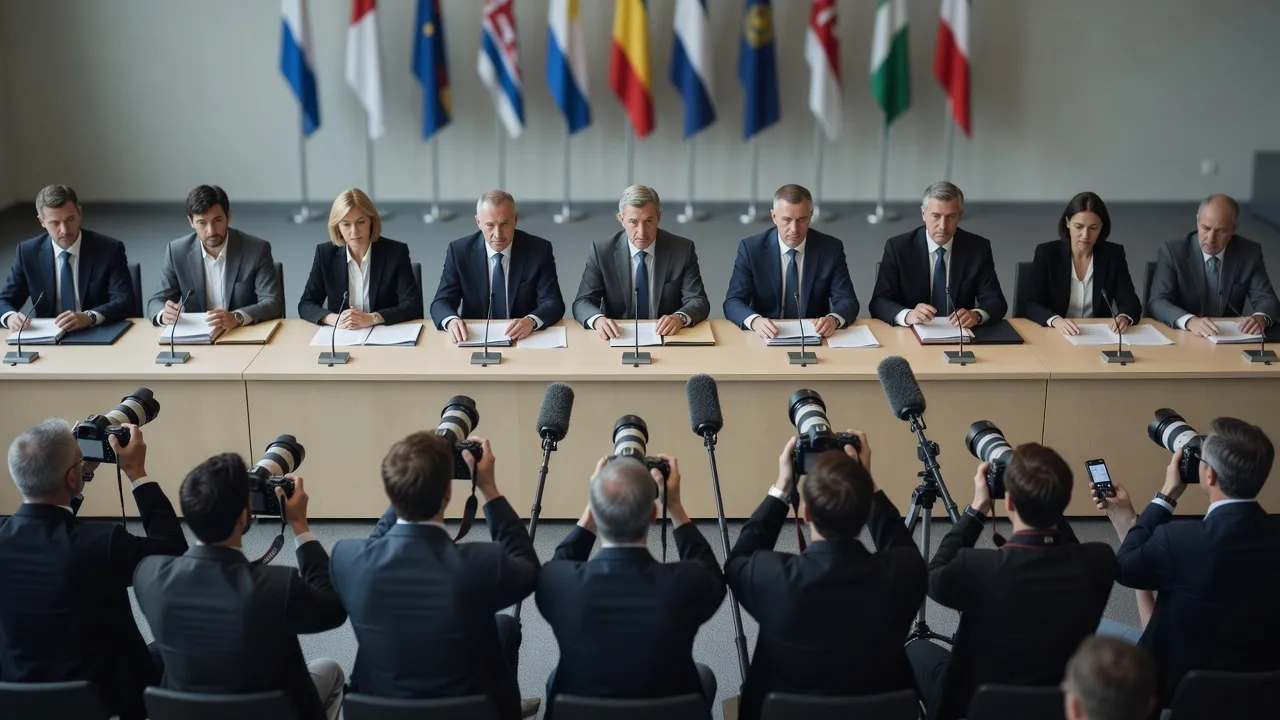
In June 2026, an independent commission of inquiry mandated by the UN Human Rights Council released a hundred-page report concluding that Israel committed genocide in Gaza by deliberately targeting Palestinian children. The document was presented during the Council's 62nd session in Geneva. The commission speaks on behalf of that body, not the UN as a whole — an institutional distinction underscored by several actors.
There is broad agreement on the figures: roughly 30% of those killed in the conflict between October 2023 and October 2025 were children, or more than 20,000 deaths according to the data cited by the commission. The report also finds that violations continued after a ceasefire took effect in October 2025, with more than a thousand additional deaths recorded since.
The issue matters because a genocide finding by a UN body crosses a symbolic and legal threshold, even though this commission holds narrower powers than the International Court of Justice or the Security Council. Several states are seizing on it to demand accountability before international courts, including the International Criminal Court.
The core dispute concerns the report's scope and reliability. Israel rejects it as defamatory propaganda, challenges its methodology and mortality data, and points to the context of the 7 October 2023 attacks as well as the share of combatant deaths. Other actors present the genocide finding as established, while some Western states relay the conclusions yet stress the body's limited institutional reach. The position of the United States, decisive for any follow-up at the UN, remains a major uncertainty.