Common ground and differences in coverage across the media analysed.
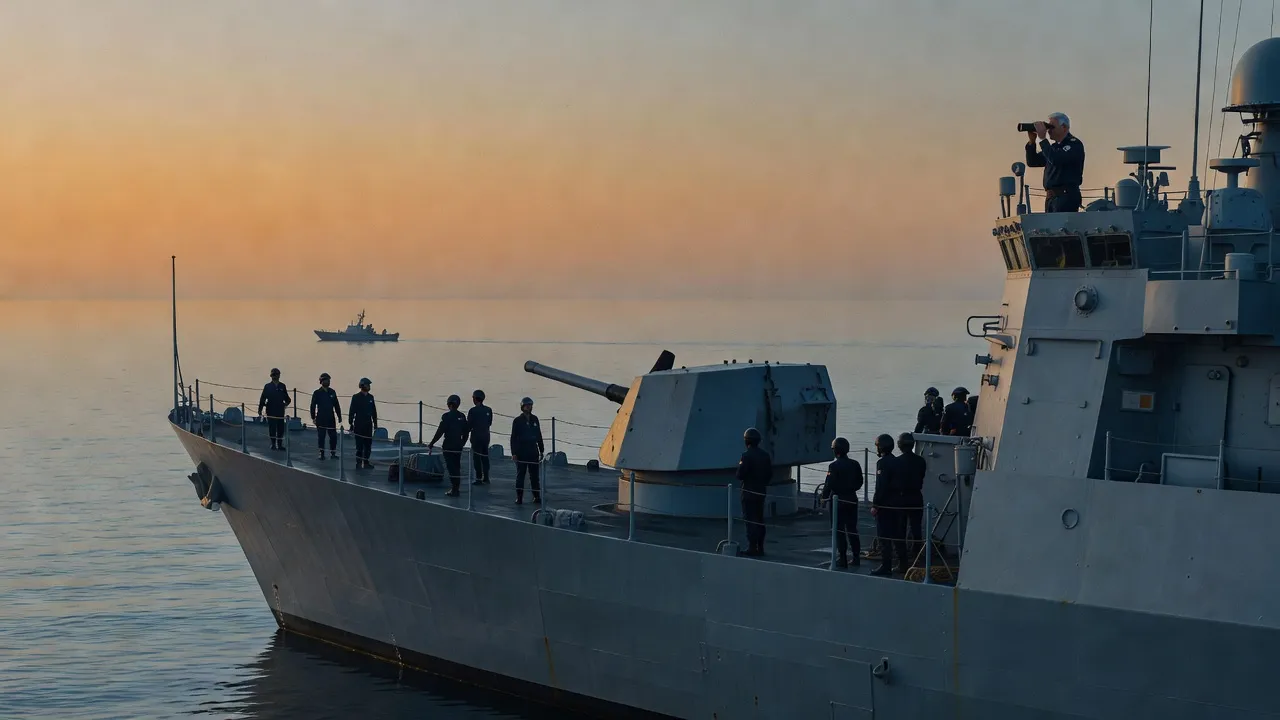
A de facto pause in American strikes on Iran has been in effect since late July 2026, following thirteen consecutive nights of American bombardments halted Friday evening by the Pentagon.
Iran strictly conditions the cessation of its own retaliatory operations on the continuation of the American pause, a position confirmed by its military spokesman Mohammad Akraminia.
Oil prices (Brent and WTI) clearly declined following the announcement of the pause after exceeding $100 per barrel the previous week.
Washington presents the pause as space intentionally left for diplomacy, whereas multiple perspectives relay an alternative military explanation: exhaustion of targets and Patriot missile stocks, a thesis that Donald Trump publicly denies.
Coverage aligned with this reading
Coverage that diverges
Donald Trump alludes to good chances of progress in discussions, while Tehran categorically denies any direct negotiation with the United States.
Coverage aligned with this reading
Some perspectives evoke a truce or de facto ceasefire, whereas the Iranian military command explicitly refuses this vocabulary, insisting on a simple pause revocable at any time.
This grouping describes the publications analysed, not the position of these countries’ populations or of their governments.
What the coverage of each country leaves aside, while others put it forward.
France
Australia
Egypt
Preview: 3 of 15 media perspectives. Syntheses of the media analysed — not direct quotations. Method & limitations
Canberra perceives a fragile lull between Washington and Tehran, where Donald Trump's displayed optimism contrasts sharply with Iran's persistent denial of any direct negotiations.
2 sources · View sources
Dhaka reads a fragile pause between Washington and Tehran, where the oil reprieve masks the absence of genuine negotiations.
2 sources · View sources
Ottawa monitors an informal truce between Washington and Tehran, remaining cautious amid Iranian denials of direct negotiations and persistent Red Sea tensions.
4 sources · View sources
DOMINANT ANGLE
Canberra perceives a fragile lull between Washington and Tehran, where Donald Trump's displayed optimism contrasts sharply with Iran's persistent denial of any direct negotiations.
ANALYSIS
Canberra, July 28, 2026.
DOMINANT ANGLE
Dhaka reads a fragile pause between Washington and Tehran, where the oil reprieve masks the absence of genuine negotiations.
ANALYSIS
Dhaka, July 28, 2026.
DOMINANT ANGLE
Ottawa monitors an informal truce between Washington and Tehran, remaining cautious amid Iranian denials of direct negotiations and persistent Red Sea tensions.
ANALYSIS
Ottawa, July 28, 2026.
DOMINANT ANGLE
Beijing reads a fragile pause between Washington and Tehran, where the maintenance of the American naval blockade confirms, according to Chinese diplomacy, the limits of a de-escalation decided without multilateral consultation.
ANALYSIS
Beijing, July 28, 2026.
DOMINANT ANGLE
Cairo weighs a fragile pause between Washington and Tehran, aware that any reversal would reignite the Gulf and the Houthi front.
ANALYSIS
Cairo, July 28, 2026.
DOMINANT ANGLE
Paris reads a fragile pause between Washington and Tehran, driven as much by American ammunition shortages as by strictly conditional Iranian retaliation.
ANALYSIS
Paris, July 28, 2026.
DOMINANT ANGLE
New Delhi measures the US-Iran pause in market index points and dollar-per-barrel terms, balancing stock market relief against continued vigilance over Strait of Hormuz flows.
ANALYSIS
New Delhi, July 28, 2026.
DOMINANT ANGLE
Tehran distinguishes the military pause from a ceasefire, claiming a position of strength against Washington as an intense internal debate pits hardliners against pragmatists over the prospect of negotiations.
ANALYSIS
Tehran, July 28, 2026.
DOMINANT ANGLE
Tokyo measures the respite with caution: the pause in U.S.-Iranian strikes brings market relief, but does not resolve the structural vulnerability of Japan's fifty-year dependence on Middle Eastern oil.
ANALYSIS
Tokyo, July 28, 2026.
DOMINANT ANGLE
Seoul examines the Washington-Tehran pause through its own air defense requirements, weighing U.S. Patriot missile depletion against American casualty reporting opacity.
ANALYSIS
Seoul, July 28, 2026.
DOMINANT ANGLE
Islamabad calculates the economic price of the pause: inflation, oil, and the role of mediator under the "Islamabad Memorandum" hang in the balance each night of calm observed between Washington and Tehran.
ANALYSIS
Islamabad, July 28, 2026.
DOMINANT ANGLE
Moscow reads Washington's pause as an admission of dual failure—military and logistical—as Tehran claims heavy casualties among US forces.
ANALYSIS
Moscow, July 28, 2026.
DOMINANT ANGLE
Singapore weighs the US-Iran pause first through its immediate impact on crude oil markets and maritime traffic in the Strait of Hormuz.
ANALYSIS
Singapore, July 28, 2026.
DOMINANT ANGLE
London reads this pause as a fragile signal, where the oil market reacts faster than diplomacy.
ANALYSIS
London, July 28, 2026.
DOMINANT ANGLE
Washington presents a calculated pause in strikes against Iran as a diplomatic gesture rather than an acknowledgment of military constraints.
ANALYSIS
Washington, July 28, 2026.
Explore every perspective on this subject across 15 countries.
Compare viewpoints and see where they diverge.
published on
countries
sources
articles
gap
Since Friday, the United States has suspended its military strikes against Iran after thirteen consecutive nights of bombing, a pause that held for a second and then a third straight day. Donald Trump ordered the halt, which the White House presented as room left for diplomacy. Iran, through its military spokesman Mohammad Akraminia, confirms it has stopped its own retaliatory operations as long as the American pause holds, on a reciprocal basis. Tehran nonetheless officially denies any direct negotiation with Washington, its foreign affairs spokesman Esmaeil Baqaei stating that no talks are under way, despite Qatari and Pakistani mediation reported around the Strait of Hormuz issue.
Measured with the previous method (distance between texts), on a different scale.