
DOMINANT ANGLE
Warsaw sees the Tesla-SpaceX merger project as an industrial synergy around AI, robotics, and satellites, in the wake of the Reuters dispatch.
Dominant angle identified — does not reflect unanimity of this country’s media
KEY POINTS
- 01
Musk: the merger would be "a good project", but the decision is up to the special committees of the two companies; he does not participate due to a conflict of interest.
- 02
According to Reuters, Starlink would provide connectivity to Tesla's robotaxis and Optimus robots, and Tesla's batteries would power SpaceX's data centers.
- 03
SpaceX works for the Pentagon, intelligence agencies, and NASA, Tesla is tied to China (Shanghai factory): Reuters anticipates reservations.
ANALYSIS
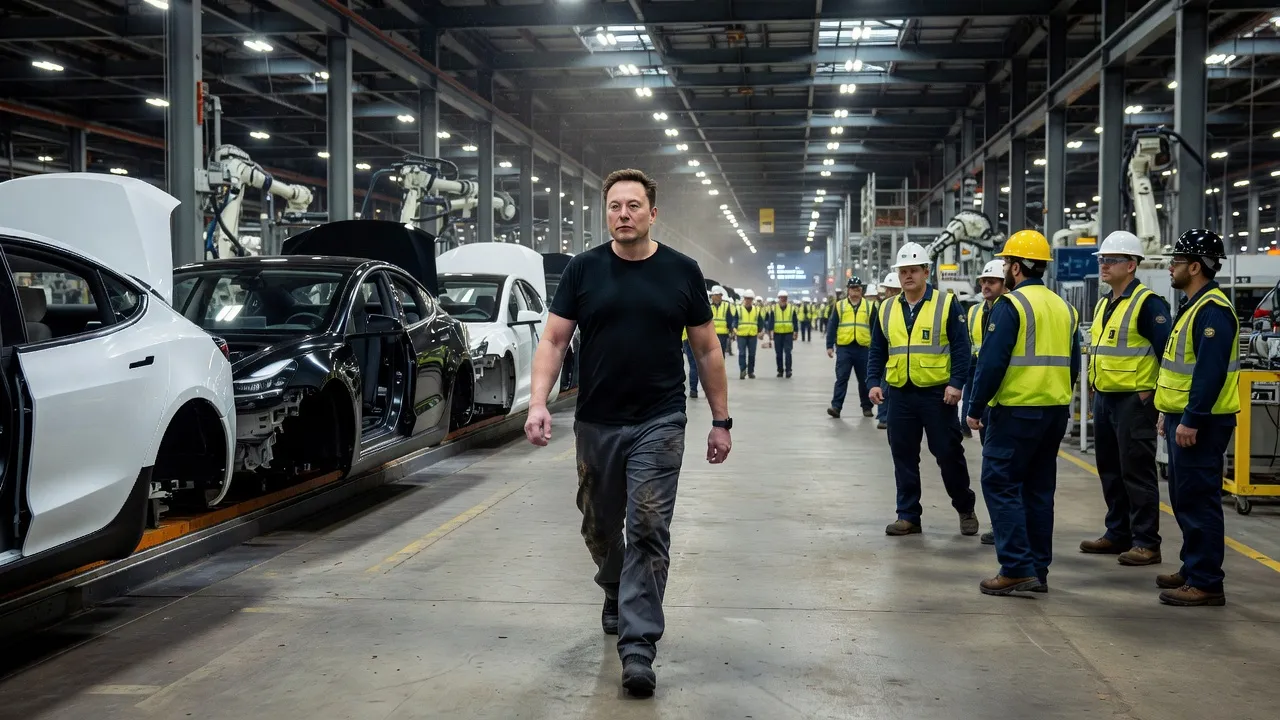
Warsaw, October 21, 2026. The Polish press treats the announcement as an industrial project above all. Wirtualne Media and RMF24 take up the same matter: the remarks made by Elon Musk to investors and the analysis of the Reuters agency, published on Tuesday, October 20, 2026, according to the two media outlets.
Musk states that the merger "would be a good idea, but the decision belongs to the special committees of the two companies." He specifies that due to a conflict of interest, he is not participating in their negotiations, that the conditions of the transaction have not yet been determined, and that the merger may never take place.
The central argument relayed is technological. According to Reuters, the operation would allow Musk to build an integrated group covering artificial intelligence, robotics, energy, satellite communications, and transportation, on Earth and in space. Musk invokes a "decisive moment" towards superintelligence: "many reasons argue for the rapprochement." He cites cooperation on AI software, chip design, robotics, and orbital data centers.
The two texts detail the complementarities advanced by Reuters. The Starlink satellites would provide connectivity to Tesla's robotaxis and Optimus humanoid robots; Tesla's batteries and energy storage systems would power SpaceX's energy-hungry data centers. The two groups are already collaborating on Terafab, a project to produce advanced AI chips. The merger would simplify the governance of joint projects and the use of capital, while potentially strengthening Musk's control over the whole.
The Polish media also mention the regulatory and geopolitical obstacles signaled by Reuters: SpaceX executes contracts for the Pentagon, intelligence agencies, and NASA, while Tesla is strongly linked to China, where it operates a large factory in Shanghai. RMF24 headlines possible reservations from the United States and China. Neither of the two articles provides a Polish or European reading of the affair: the account remains that of an agency dispatch, relayed in a factual tone and without editorial commentary.