What the comparison reveals
Common ground and differences in coverage across the media analysed.
What the media report in common
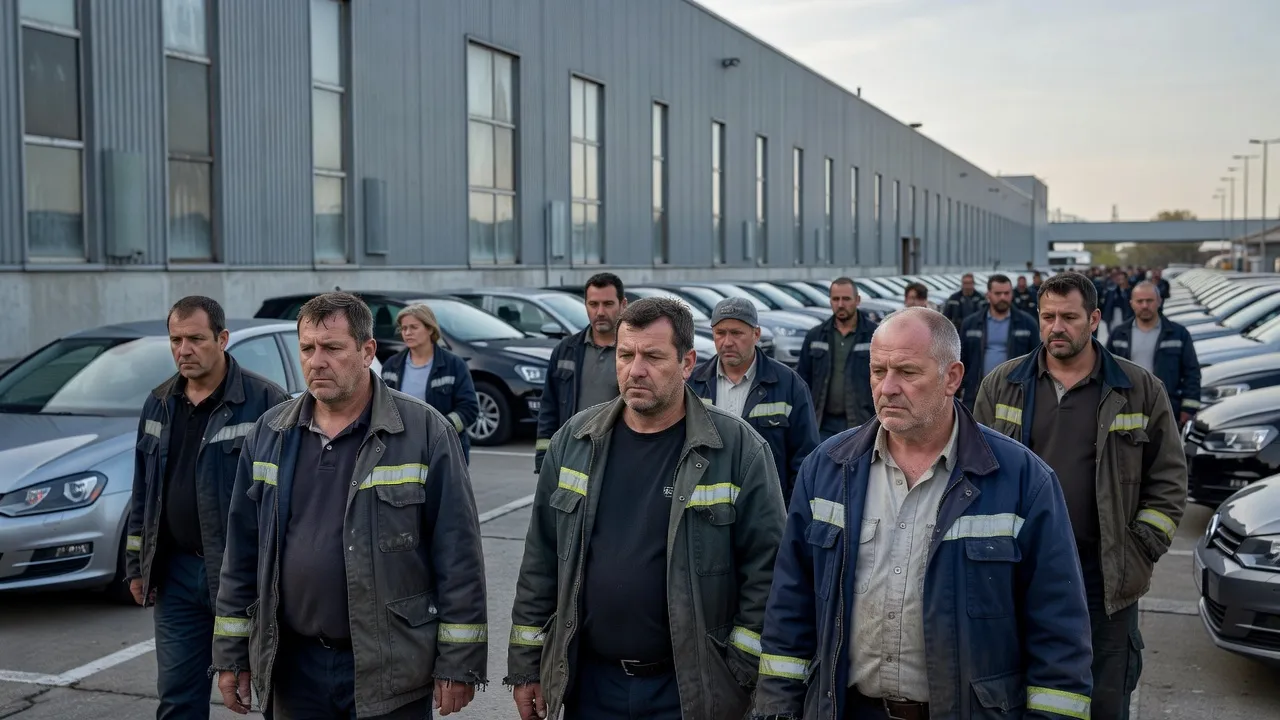
Volkswagen is considering eliminating up to 100,000 jobs worldwide, double the 50,000 cuts already announced, according to Manager Magazin reporting citing internal group sources.
Four German factories are directly threatened with closure: the Volkswagen sites in Hanover, Emden and Zwickau, as well as the Audi factory in Neckarsulm.
The 'Zielbild 2030' plan, presented by CEO Oliver Blume, is to be submitted to the Supervisory Board on July 9, and its outcome remains undecided.
Where media coverage diverges
National versus European scope
Germany frames the crisis as a domestic shock affecting its industrial regions first, while France and Italy interpret it primarily as a warning signal for the entire European automotive industry.
How each country reads it
Preview: 3 of 3 media perspectives. Syntheses of the media analysed — not direct quotations.
Rome watches with alarm as Volkswagen's potential industrial restructuring signals a critical stress test for the entire European automotive sector, threatening thousands of jobs across the continent.
3 sources ·
Berlin confronts the scale of an industrial earthquake: Volkswagen is considering eliminating up to 100,000 jobs and closing four factories, a restructuring that unions and management alike characterize as unprecedented in the company's history.
5 sources ·
Paris reads the industrial earthquake shaking Germany as a stark warning for all European automakers: Volkswagen's potential loss of 100,000 jobs signals structural fragility in a sector facing Chinese competition and mounting trade tensions.
2 sources ·


