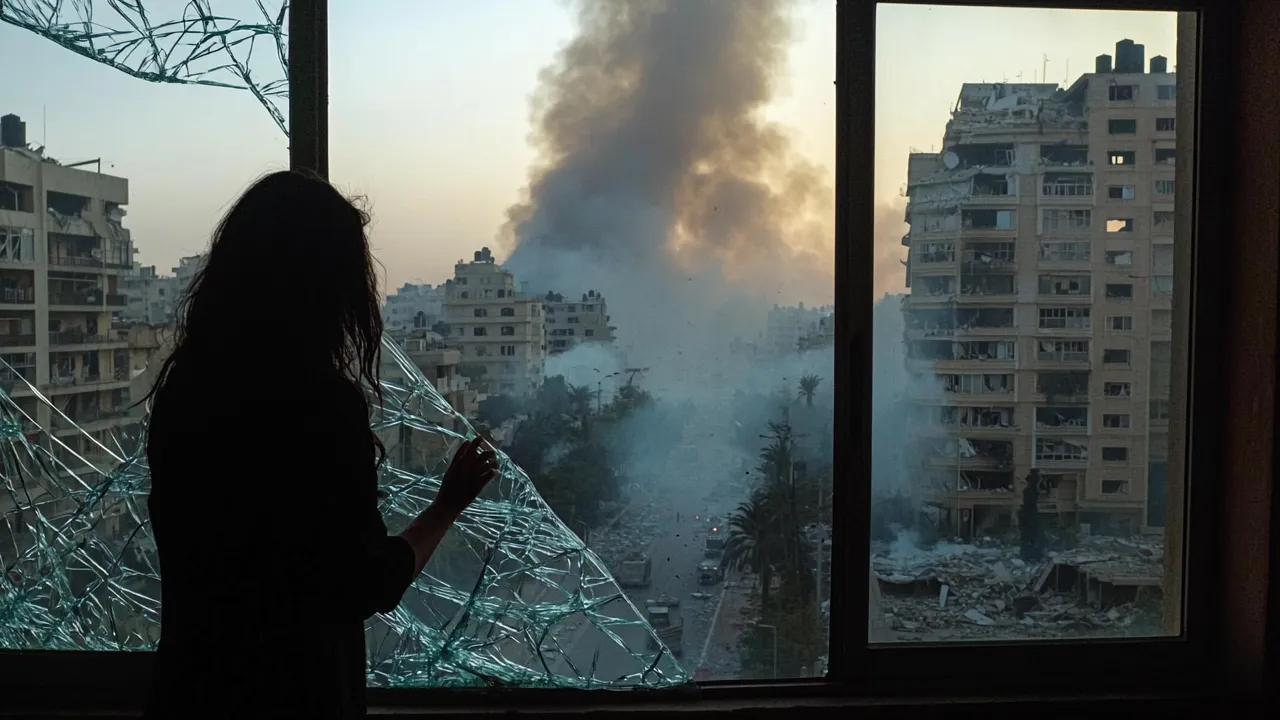
While peace talks were under way in Islamabad, Israeli strikes hit Lebanon, killing thirteen Lebanese security officers among the victims. At the same time, the World Food Programme warned of a food crisis in the country. Washington publicly asked its Israeli ally to pause, without managing to bring the operations to a halt.
This gap between diplomacy and the ground became the heart of the matter. For many actors, carrying out bombings in the middle of negotiations amounts to undermining the process under way. The observation that the United States is unable to alter its ally's behaviour is shared very widely, from states in Southeast Asia to Russia.
The context sheds light on this tension. American diplomacy in the Middle East is negotiating a ceasefire with Iran while failing to prevent Israel from striking a third country, a structural contradiction that threatens to collapse the talks before any result. The earlier ceasefire in Gaza did not end the violence, with 738 deaths recorded over six months, and settlement expansion continued alongside the conflict.
Several points remain sharply disputed. Actors disagree both on the words used to describe the violence and on who bears responsibility for the deadlock: some point to the Israeli strikes, others to Iran's refusal to reopen the Strait of Hormuz. The role of Hezbollah, central for some and absent for others, shows how far the reading of the facts diverges from one capital to another.